Howe Plier
Written & reviewed by the Equate Technical Team · Updated
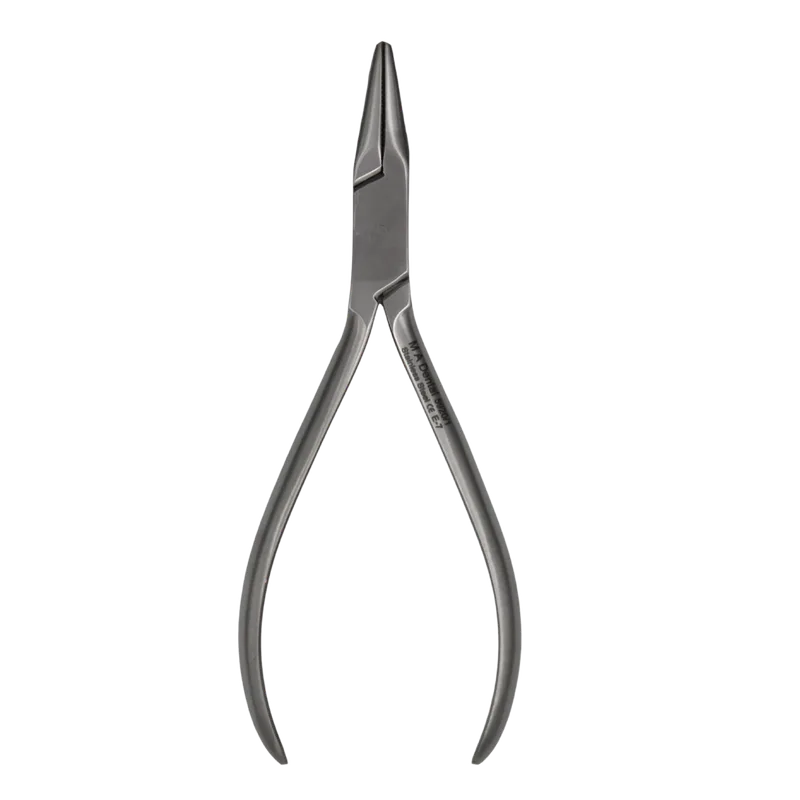
A Howe plier is an orthodontic utility plier with straight or curved beaks ending in small round serrated pads. It is used to grip and carry archwires, seat and remove bands, adjust loops and auxiliaries, and handle small appliance parts. The round pads give a firm grip without nicking wire, making it one of the most versatile instruments on an orthodontic tray.
What a Howe plier is used for
Named after the early orthodontist Percy Howe, the plier is a general-purpose gripping instrument. Clinicians use it to carry an archwire to the mouth, to hold a wire while it is guided into the tubes, to pull an archwire forward or back through the brackets, and to place or remove elastics and auxiliaries. In band work it helps seat bands, carry them to the tooth and adjust their contour.
Because its pads are round and serrated rather than pointed, it grips firmly without marking wire, which makes it a common choice for handling finished archwires and appliances.
Straight vs curved Howe pliers
| Version | Best for | Notes |
|---|---|---|
| Straight Howe | Anterior work, bench handling, carrying wire | Most force along the axis |
| Curved (offset) Howe | Posterior access, molar tubes, bands | Keeps the hand out of the line of sight |
| Small pad (about 2.4 mm) | Light wire up to about .020 in, delicate parts | Finer control |
| Large pad (about 4 mm) | Heavier wire up to about .028 in, bands | More grip area |
How to choose a Howe plier
Decide first whether you need straight, curved or both; many practices keep both on the tray. Check the pad serrations are sharp and that the pads meet flush when closed; uneven pads mark wire and slip. A box joint resists the side forces that come from seating bands. Tungsten carbide pads are available on premium universal pliers and keep their grip far longer under daily use.
Stay within the rated wire size printed in the product specification. Utility pliers are not cutters and should not be used to bend heavy rectangular wire with sharp angles; that is a job for Tweed or arch-forming pliers.
Where it sits in the tray
In a typical archwire change setup, the Howe or Weingart carries and guides the wire, the distal end cutter trims it, and a ligature director or tucker finishes the ties. Clinicians often settle on either the Weingart or the Howe as their main wire-handling plier, keeping the other as a backup. The comparison page explains when each is the better choice.
Care
Published work on orthodontic pliers suggests steam autoclaving is generally gentler on stainless steel pliers than prolonged chemical immersion: a small in-vitro pilot study in the Dental Press Journal of Orthodontics found oxidation on only one of two brands after 100 autoclave cycles and more corrosion after 2% peracetic acid, and an earlier study of ligature-cutting pliers found no significant difference in tip wear between steam and dry-heat sterilisation. Both are small studies, so follow each manufacturer's reprocessing instructions.
- Brush serrations before ultrasonic cleaning to remove cement and composite.
- Lubricate the joint and autoclave in the open position.
- Check that the pads meet flush; refurbish or replace if wire starts slipping.
The Equate difference
Equate's utility plier range covers 43 references, including straight and curved Howe-style pliers in 2.4 mm and 4 mm pad sizes rated to .020 in and .028 in wire, and tungsten carbide tipped universal pliers, at a typical list price about 52% below premium European RRPs.
Equate Howe Plier options
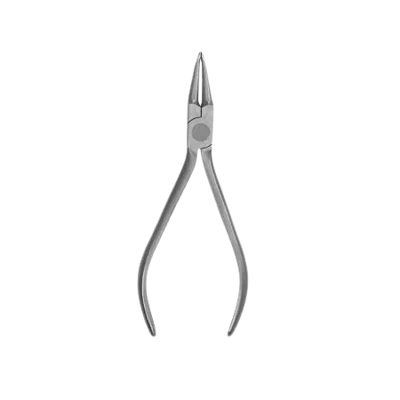
How Utility Plier 3.2mm Max 0.028 Inch Wire
EI-0679
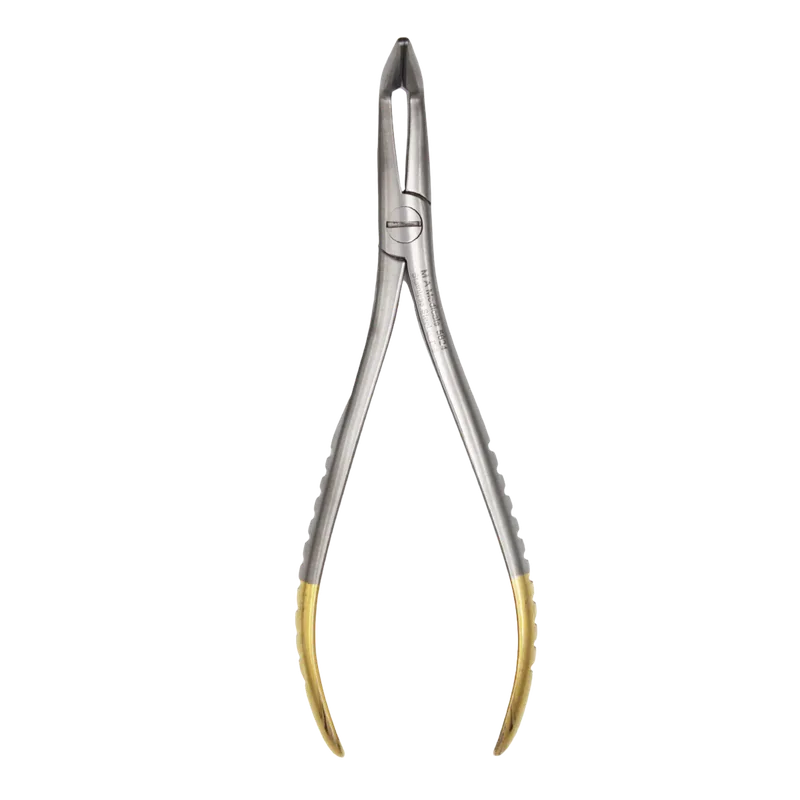
Universal Orthodontic Plier with Tungsten Carbide Tips
EI-0721
Flat Nose Orthodontic Plier - 20 mm Beak
EI-0805
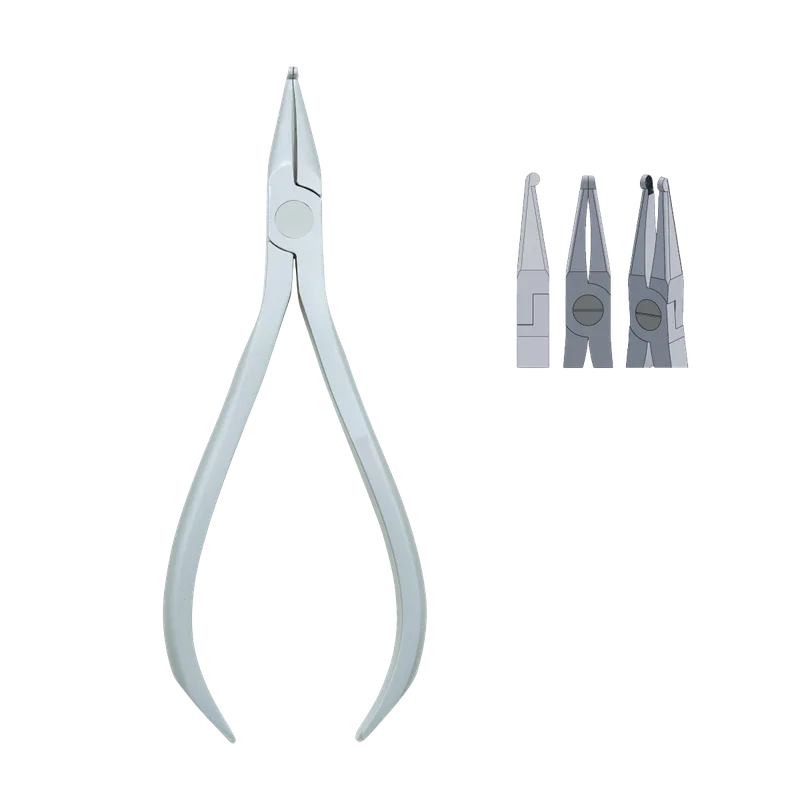
Straight Utility Plier Howe Style 4mm - Max 0.71mm (.028") Wire
EI-2596
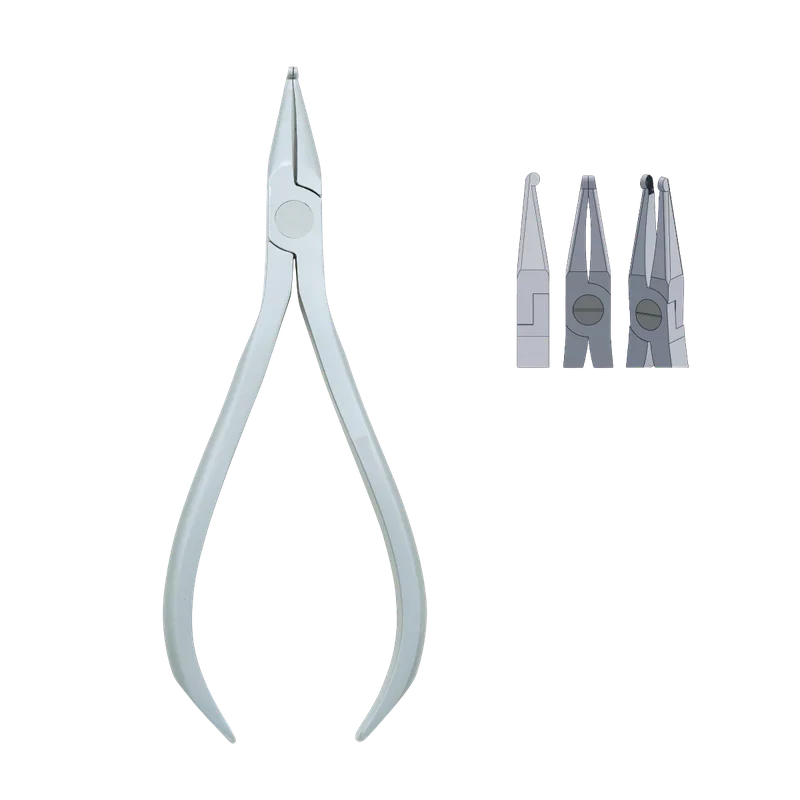
Straight Utility Plier Howe Style 2.4mm - Max 0.50mm (.020") Wire
EI-2597
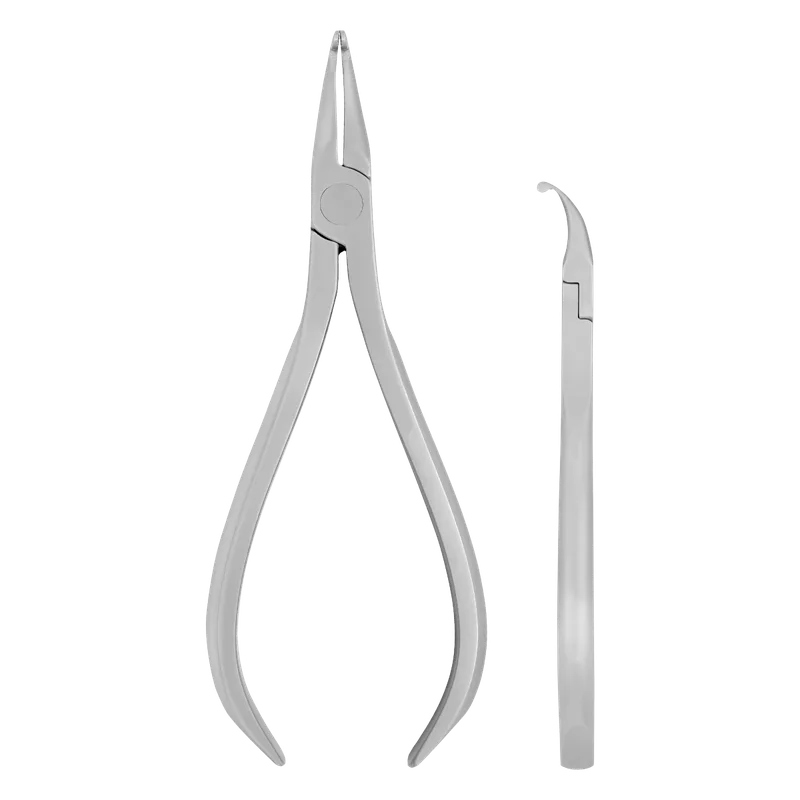
Oset Utility Plier - How Style Curved Tip
EI-2598
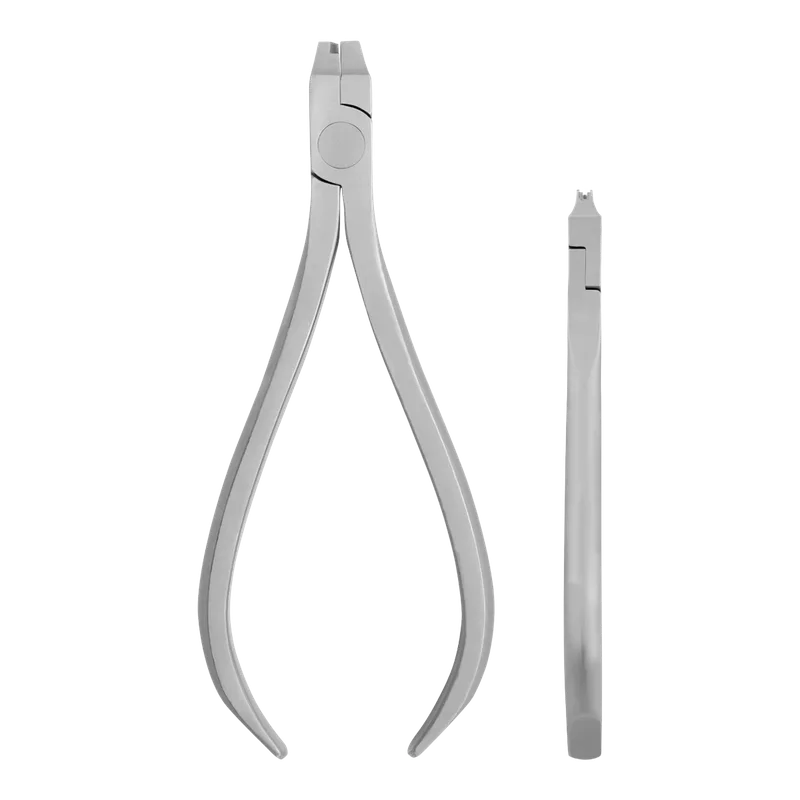
Ball Hook Crimping Plier
EI-2609
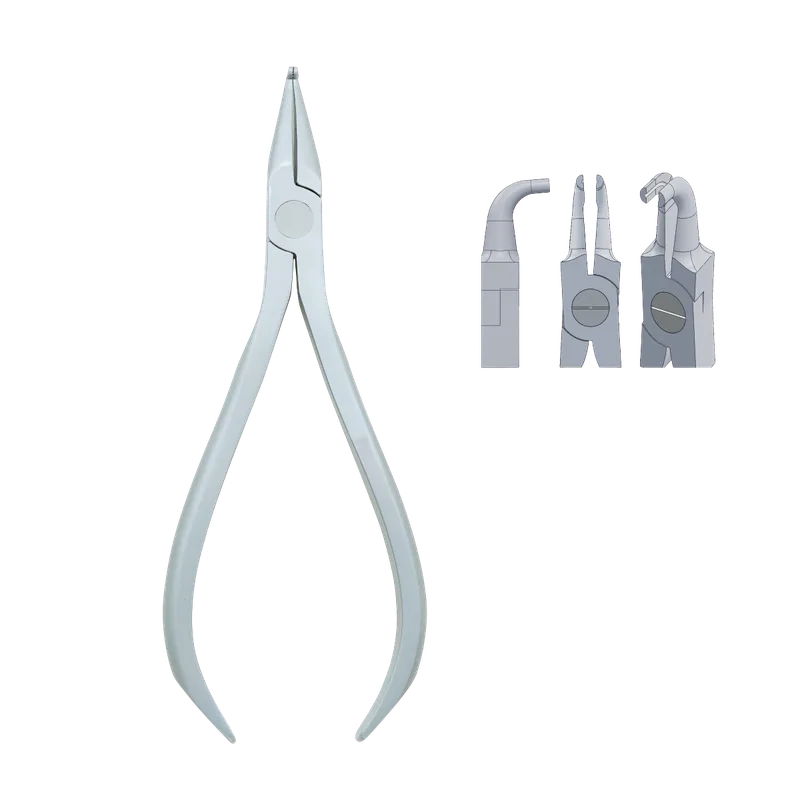
Pin Holding & Nerve-Broach Plier Curved .020"
EI-2670
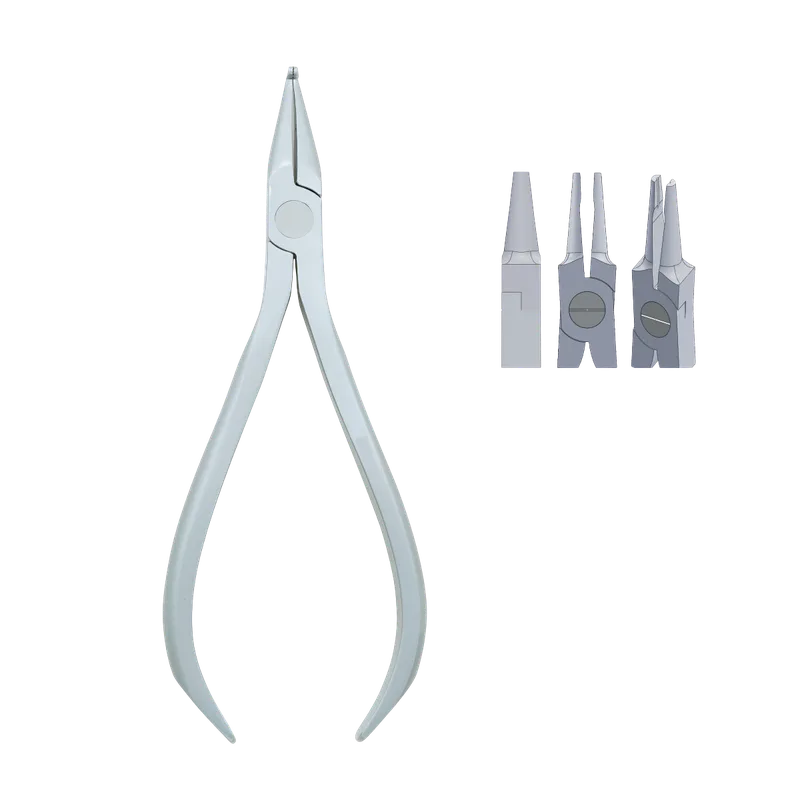
Pin Holding & Nerve-Broach Plier Straight .020"
EI-2671
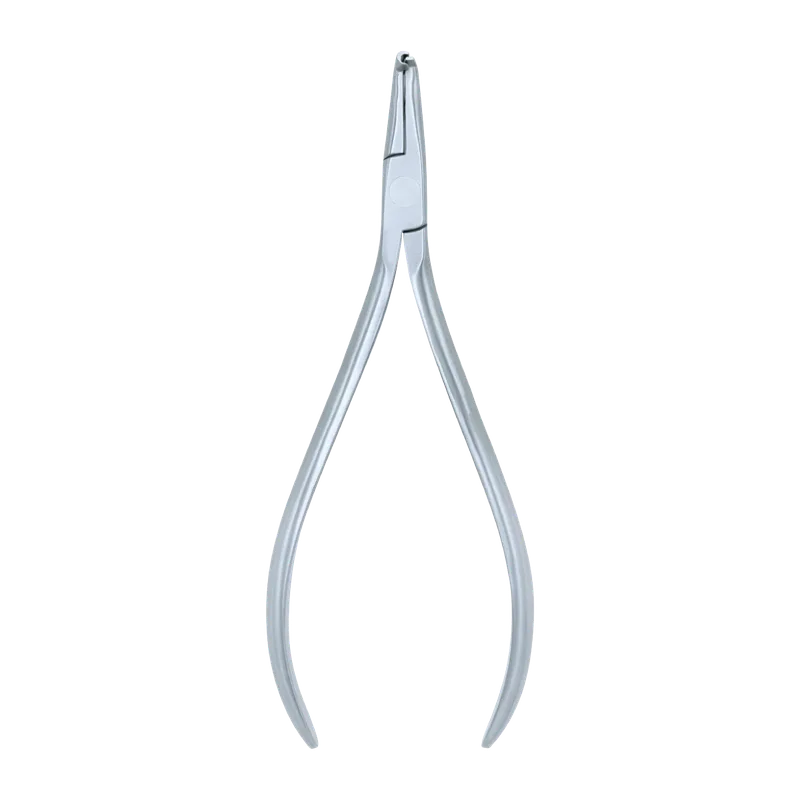
Hammerhead Distal End Bending Pliers - 9mm Jaw, 0.46mm / .018in Wire
EI-3078
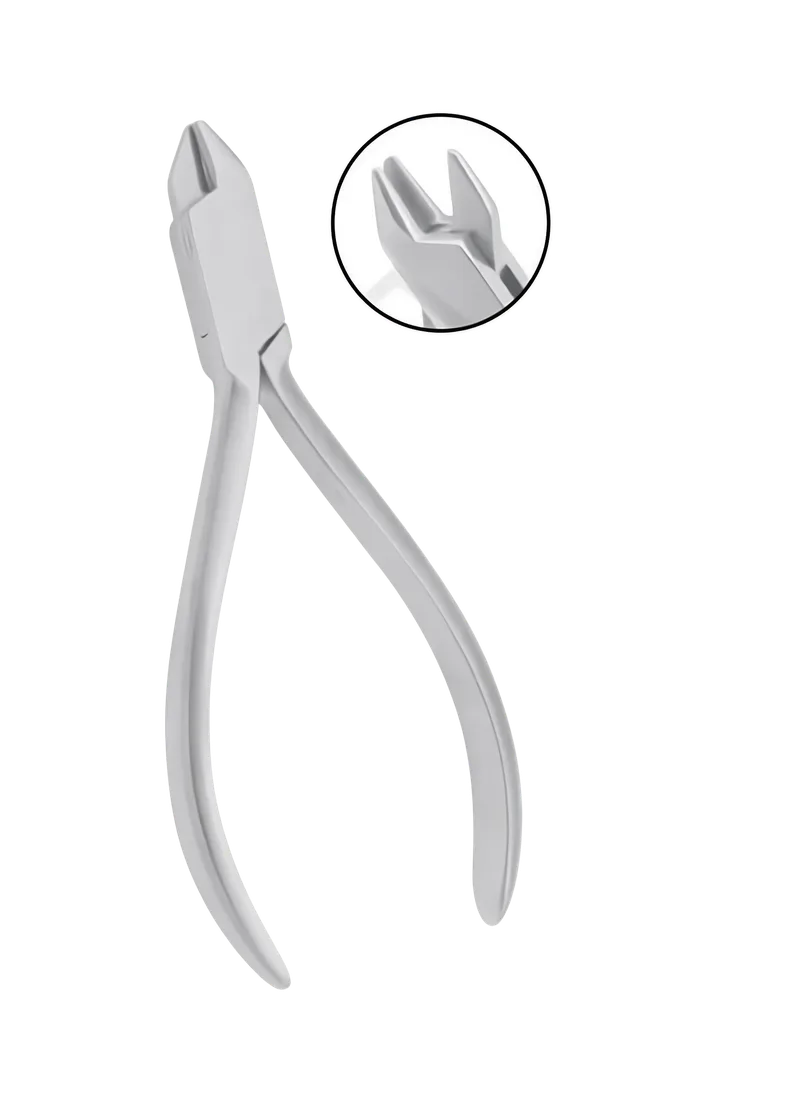
Three-Jaw Pliers Rounded 12.5cm
EI-3127
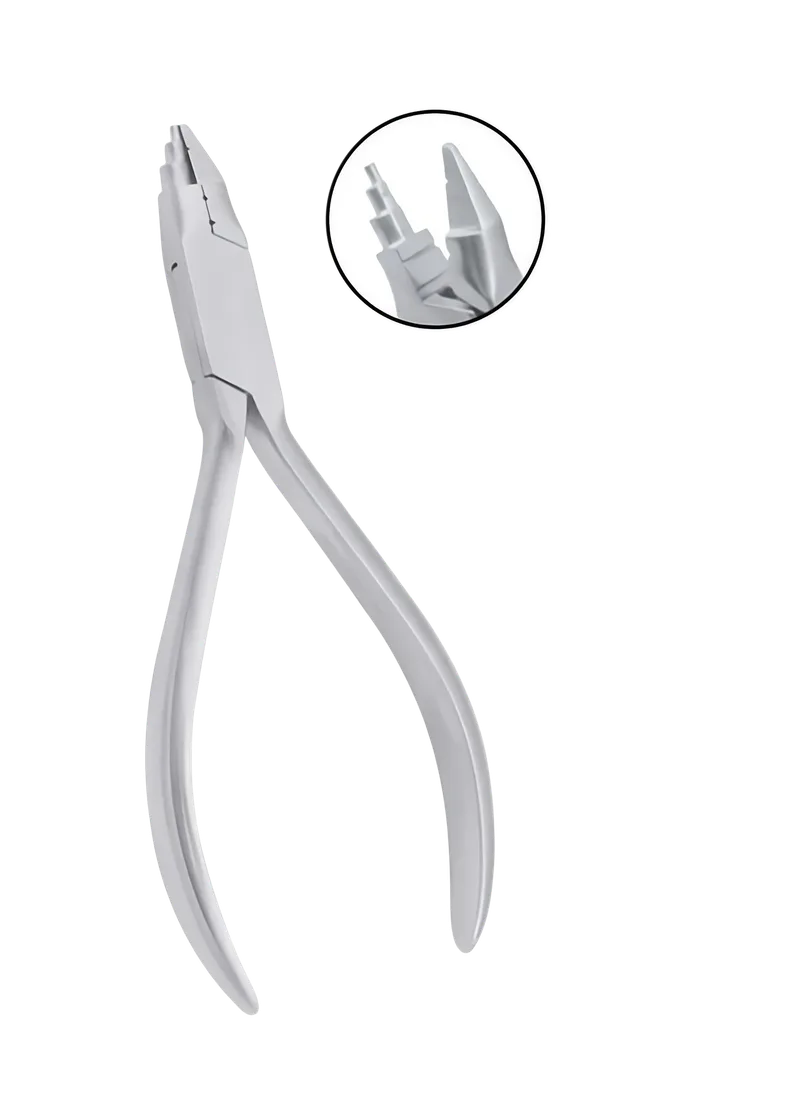
Young Pliers - Box Joint 13.5 cm
EI-3154
Frequently asked questions
Is it spelled Howe plier or How plier?
Both spellings are used in catalogues. The instrument is named after Percy Howe, so Howe is the traditional spelling, but many manufacturers list it as the How plier or How utility plier.
What is the Howe plier used for?
Gripping and carrying archwires, guiding wires into tubes, seating and removing bands, adjusting loops and auxiliaries, and handling small appliance parts.
Straight or curved Howe plier — which should I buy?
Curved Howe pliers give better posterior access and visibility; straight versions are better for anterior and bench work. If you can only have one, most clinicians choose the curved version.
Can a Howe plier bend rectangular wire?
It can make minor adjustments, but precise bends in rectangular stainless steel should be made with wire-forming pliers designed for that purpose.
What wire size can a Howe plier hold?
It depends on the pad size: small-pad versions are typically rated to about .020 in and larger pads to about .028 in round wire.
References
- In vitro comparison of peracetic acid and autoclave sterilization in the corrosion of orthodontic pliers: a pilot study — Dental Press Journal of Orthodontics
- The effect of routine steam autoclaving on orthodontic pliers — PubMed
- Classification and uses of orthodontic pliers — Dentaltix clinical blog (supplier reference, used for terminology only)
I am a…