Tweed Loop Forming Plier
Written & reviewed by the Equate Technical Team · Updated
A Tweed loop forming plier is an orthodontic wire-bending plier with one conical beak, stepped in graduated diameters, and one concave or flat beak. Wire wrapped around a chosen step forms a loop of a precise, repeatable size. It is used to bend closing loops, vertical loops, helices and omega stops in round and light rectangular archwires.
What it is used for
Named after Charles Tweed, whose technique relied heavily on hand-bent archwires, the loop forming plier makes loops of consistent size along an archwire. Typical uses are vertical and closing loops for space closure, helices to add flexibility, omega loops and stops in front of the molar tube, and loops on auxiliary springs.
Even in practices that rely mostly on pre-formed archwires, clinicians still bend loops for space closure, finishing and problem-solving, so a loop forming plier is a standard item in most orthodontic plier sets.
How the stepped beak works
The round beak is machined in steps of increasing diameter, commonly three. Placing the wire against a step and wrapping it gives a loop of that internal diameter every time, so loops on the left and right side of the arch match. The opposite beak supports the wire so it does not twist out of plane.
Tweed pliers compared
| Plier | Beaks | Main use |
|---|---|---|
| Tweed loop forming plier | Stepped conical + concave/flat | Loops of precise diameter |
| Tweed arch forming (bending) plier | Two flat, parallel rectangular beaks | Torque and first/second-order bends in rectangular wire |
| Bird beak plier | One conical + one pyramidal | General loops, clasps, springs |
| Optical loop forming plier | Graduated round beaks | Lab-made loops and springs |
How to choose
Check the steps are precisely machined and polished so loops come out round without marking. The beaks should close in parallel with no side play. Match the plier to your wire sizes; most loop formers are rated for round wire up to about .022 in and light rectangular wire. If you bend torque into rectangular wire, add a Tweed arch forming plier rather than overloading the loop former.
Some clinicians prefer a slightly longer instrument for better leverage on heavier wire, while others prefer a compact head for chairside adjustments.
Care
- Inspect the stepped beak for grooves that would mark wire.
- Lubricate the joint before autoclaving.
- Do not use the beaks as a hammer or to pry appliances.
The Equate difference
Equate lists 14 Tweed loop forming plier references plus 2 Tweed arch forming pliers, forged from passivated stainless steel with box joints, at a typical list price about 52% below the median premium European RRP for orthodontic wire-forming pliers.
Equate Tweed Loop Forming Plier options
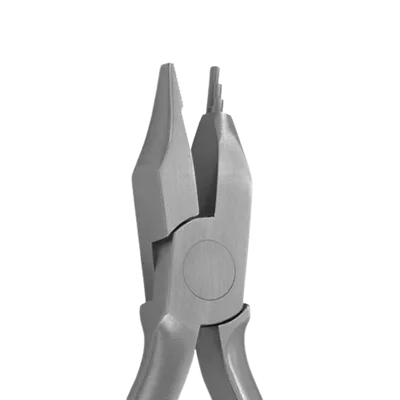
Tweed Loop Forming Pliers 0.55 x 0.64 mm (.021″ x .025″ Wire)
EI-0691
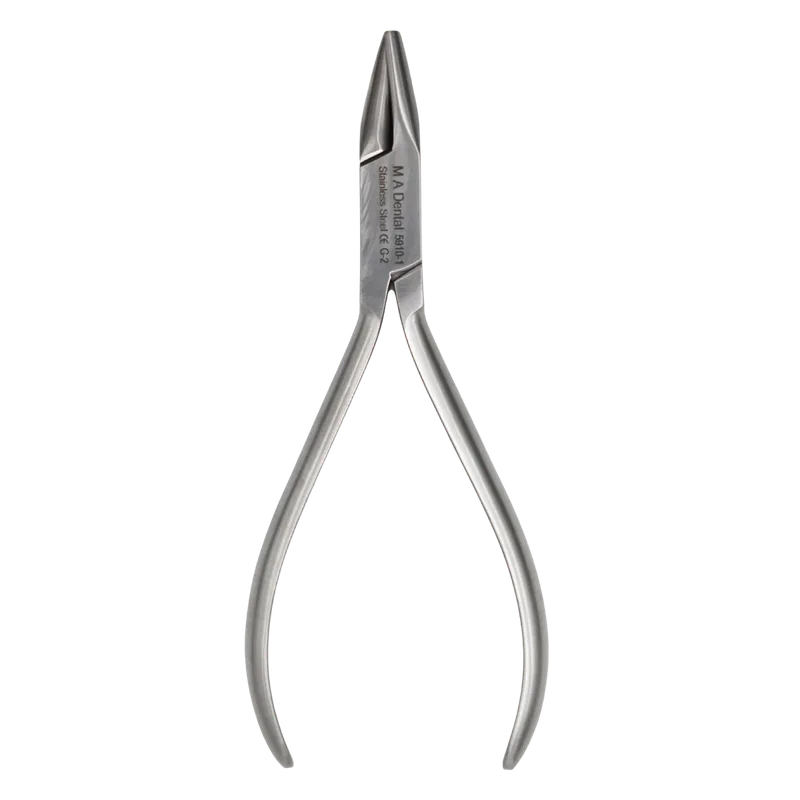
Schwarz Loop Forming Plier - Max 0.51 mm
EI-0803
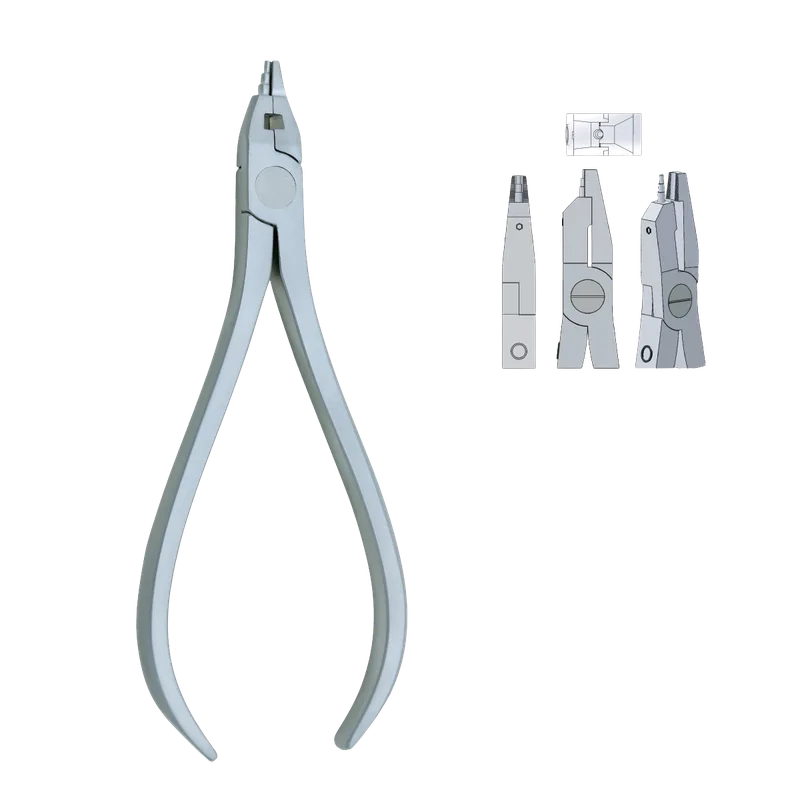
Loop Forming Pliers - Rectangular Wire
EI-2600
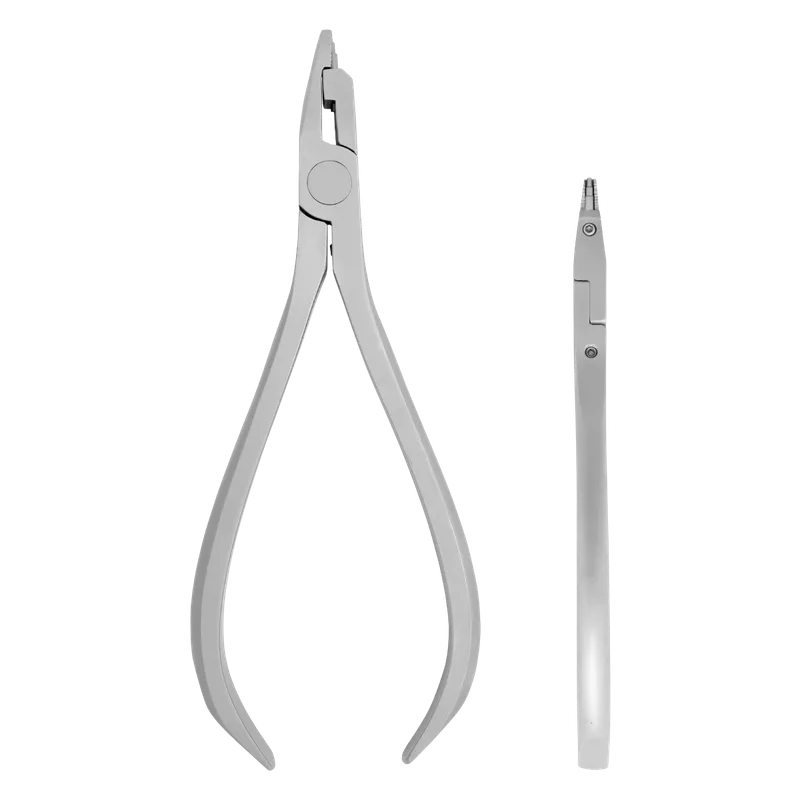
Omega Loop Forming Pliers - Rectangular Wire
EI-2601
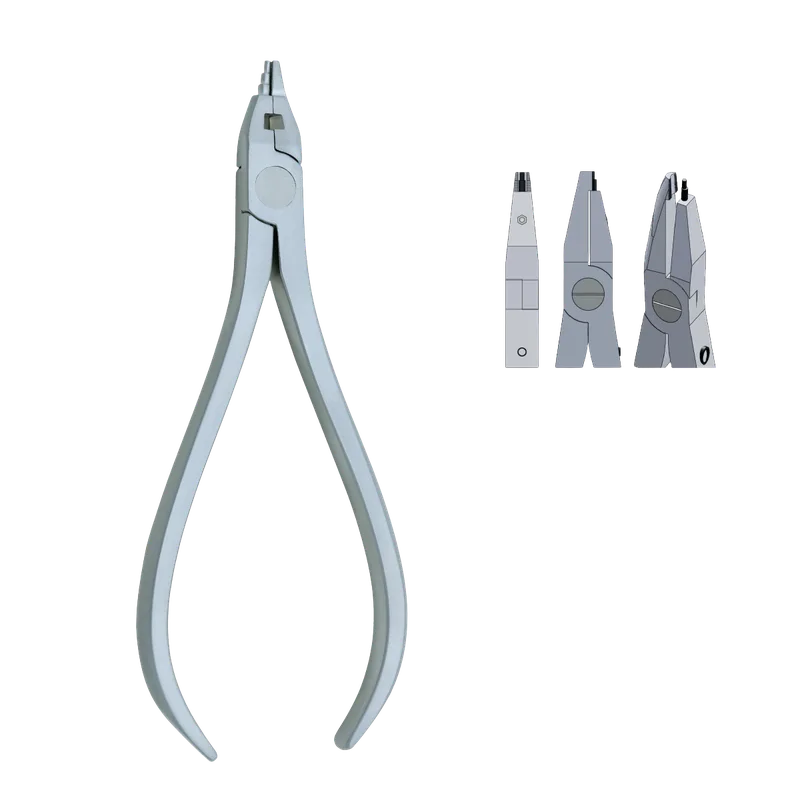
Tweed Style Loop Forming Pliers
EI-2602
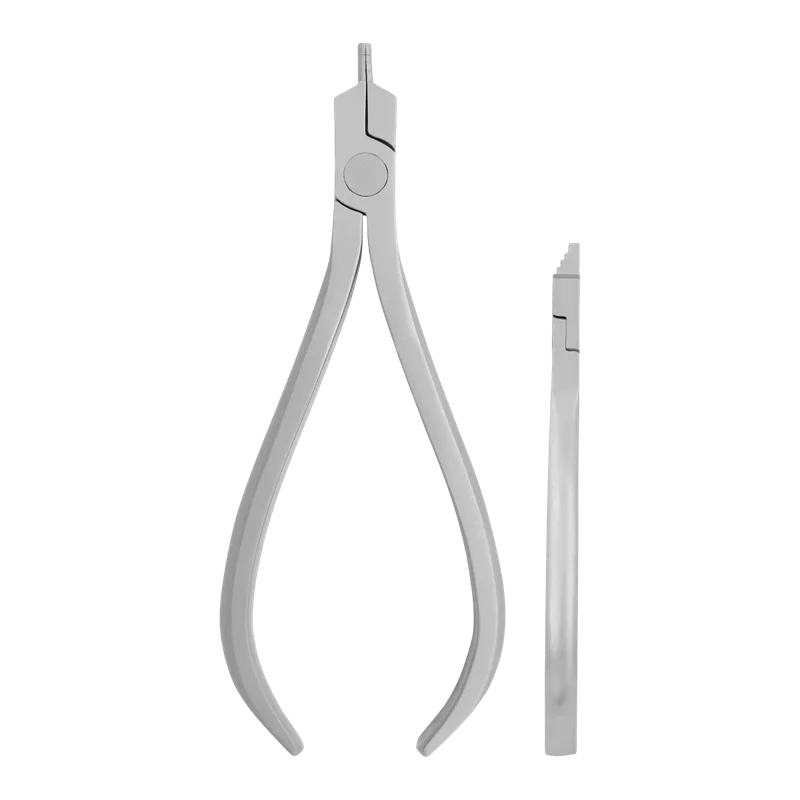
Nance Loop Forming Pliers - 3, 4, 5 and 6 mm Stepped Beak
EI-2603
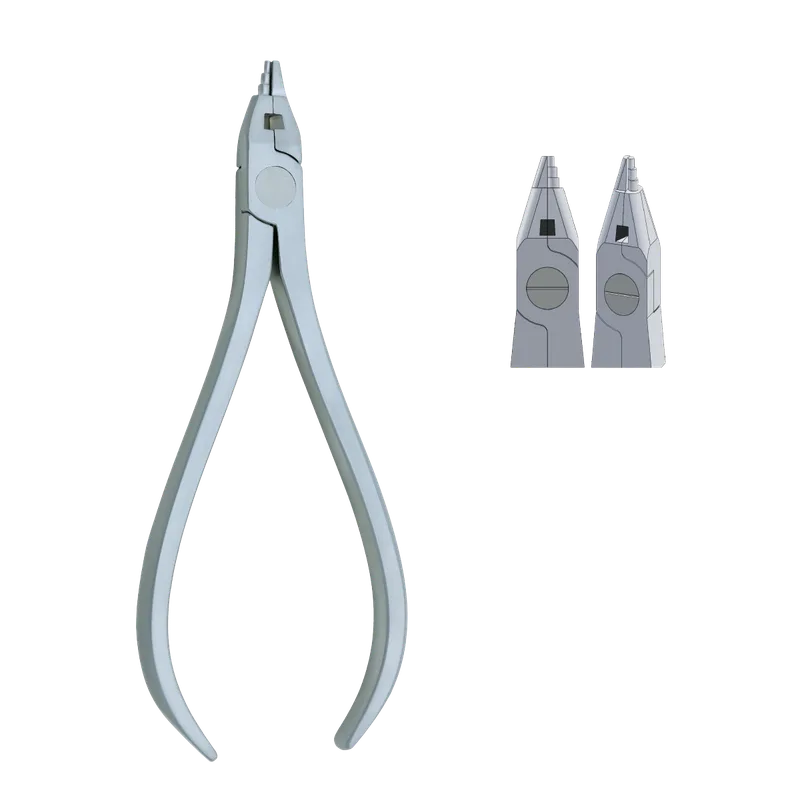
Kim Loop Forming Pliers
EI-2608
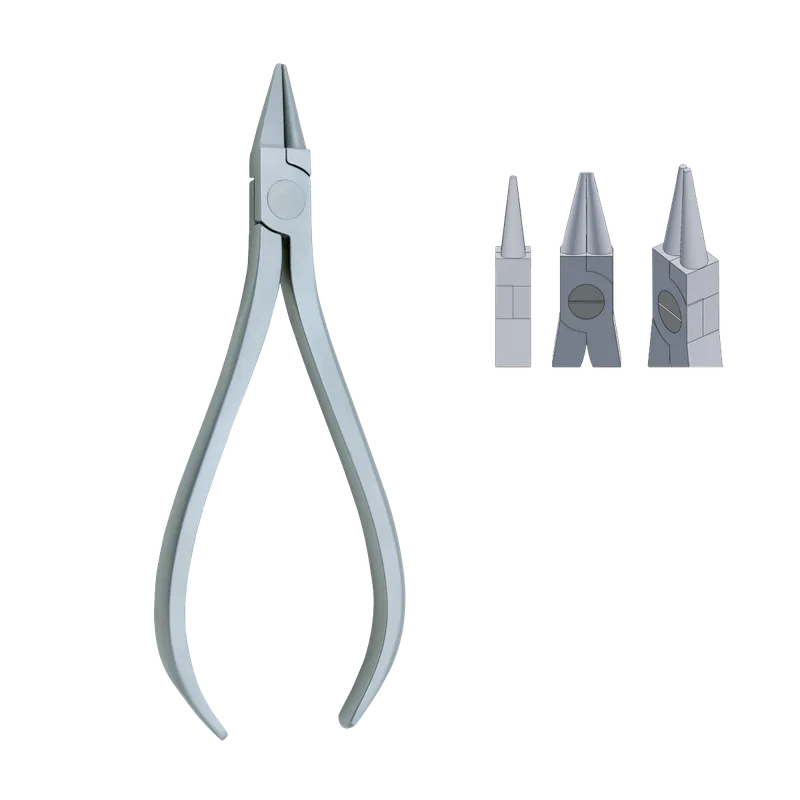
Wire Bending and Loop Forming Pliers - 0.51 mm (.020 in) Wire
EI-2639
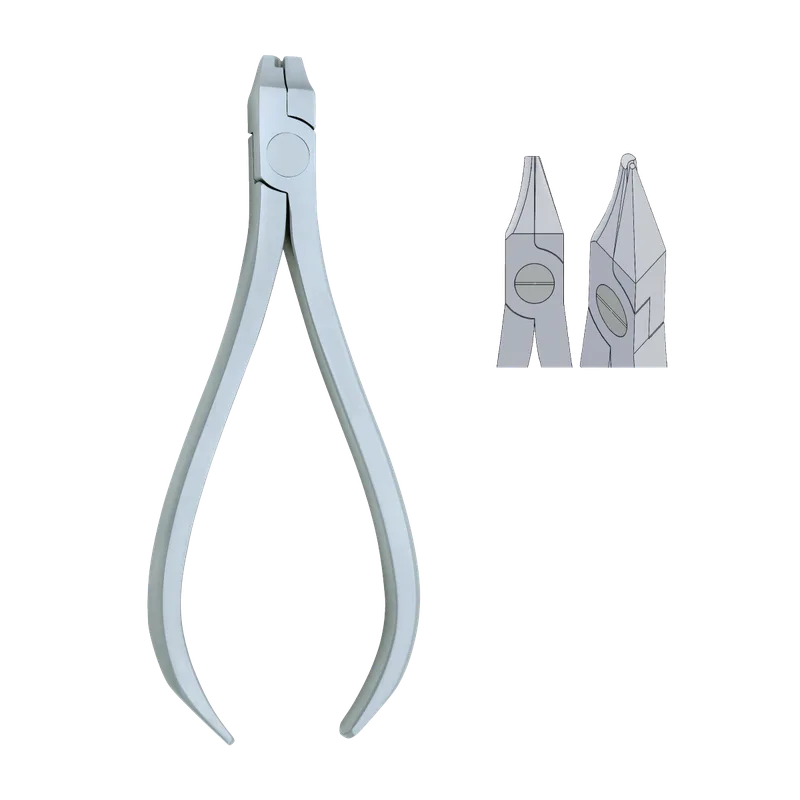
Optical Loop Forming Plier .020"
EI-2672
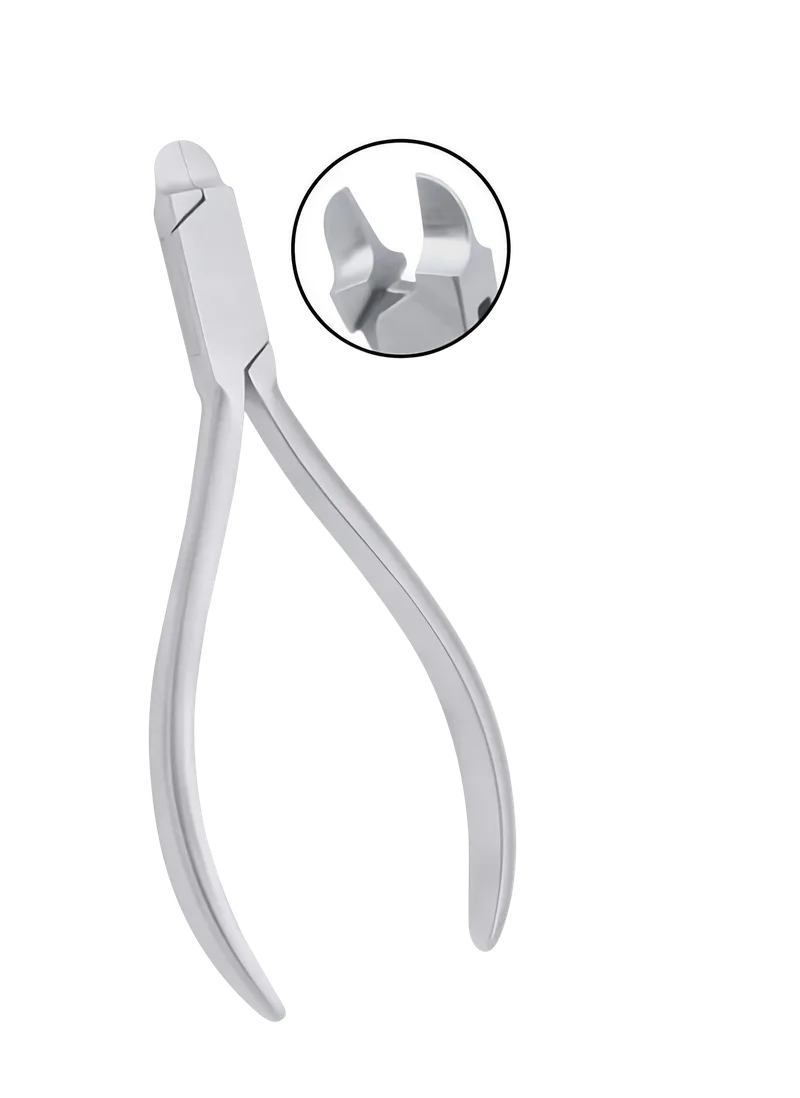
Tweed Arch Forming Pliers Box Joint 12.5cm
EI-3125
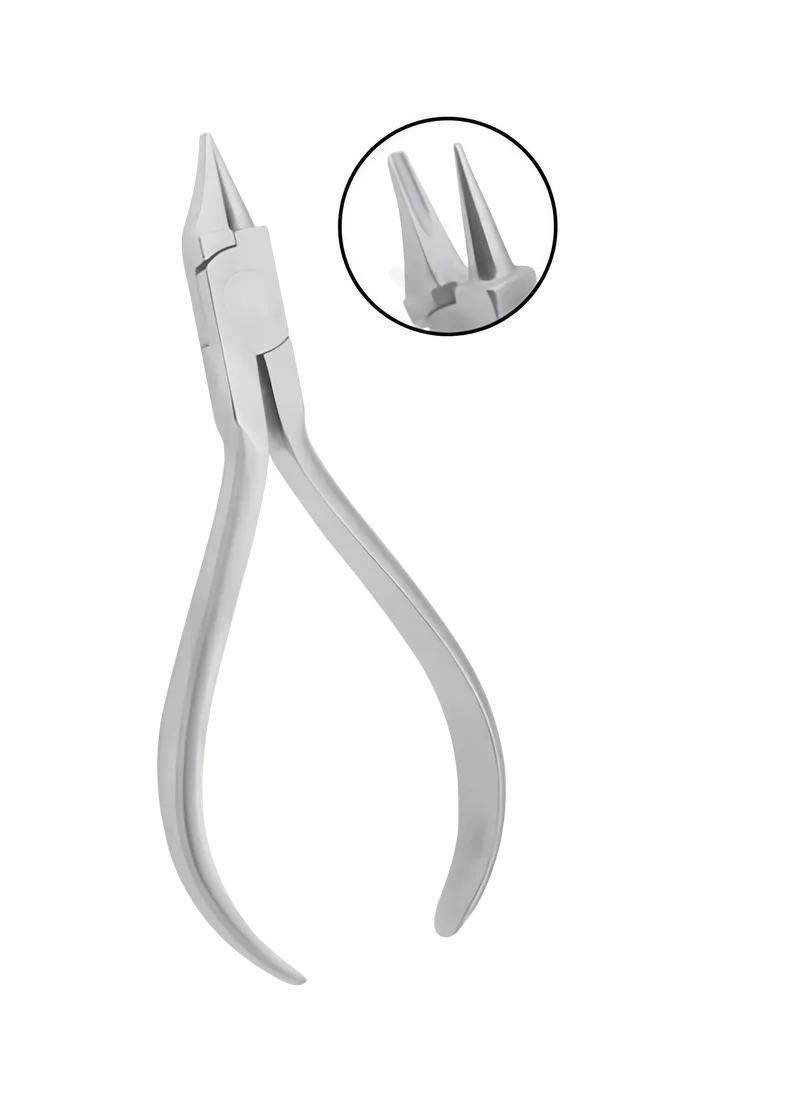
Optical Loop Forming Pliers Wide Handle 12cm
EI-3126
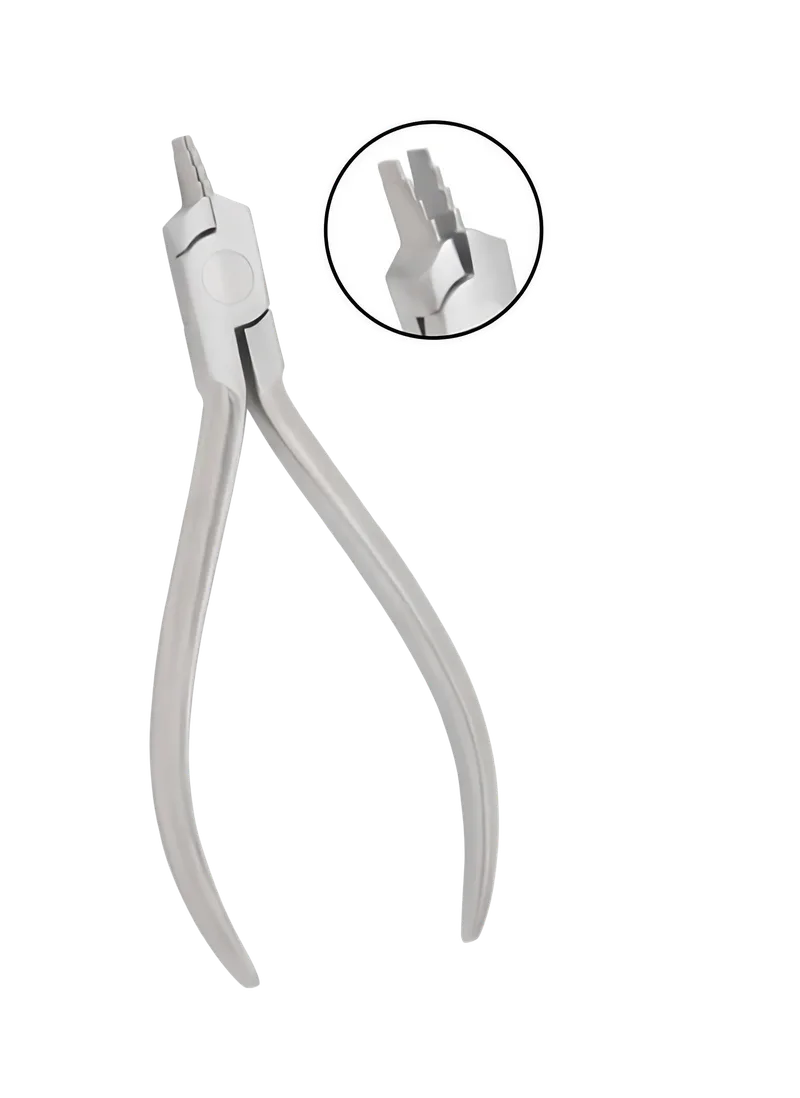
Nance Loop-Forming Pliers 12.5 cm
EI-3182
Frequently asked questions
What is a Tweed loop forming plier used for?
Bending loops of precise and repeatable diameter in archwires — closing loops, vertical loops, helices and omega stops.
What is the difference between Tweed loop and Tweed arch pliers?
The loop forming plier has a stepped round beak for loops. The Tweed arch forming plier has two flat, parallel beaks for torque and angular bends in rectangular wire.
Can it bend rectangular wire?
Light rectangular wire can be looped with care, but for torque and heavy rectangular bends use a Tweed arch forming plier.
How many steps does a loop forming plier have?
Most have three graduated steps on the conical beak; the exact diameters vary by manufacturer and are listed in the specification.
Bird beak or Tweed loop plier for closing loops?
A Tweed loop former gives more consistent loop sizes, which matters for symmetrical space closure. The bird beak is more versatile for general bending and clasps.
References
- In vitro comparison of peracetic acid and autoclave sterilization in the corrosion of orthodontic pliers: a pilot study — Dental Press Journal of Orthodontics
- The effect of routine steam autoclaving on orthodontic pliers — PubMed
- Classification and uses of orthodontic pliers — Dentaltix clinical blog (supplier reference, used for terminology only)
I am a…