Rubber Dam Clamp Fig. 6 - Offset Anterior
The Rubber Dam Clamp Fig. 6 from Equate Instruments is an H-shape stainless-steel retainer with slightly offset jaws, designed to isolate anterior teeth with labial caries or cervical restorations (teeth 6-11 and 22-27). The offset four-point geometry lets the labial jaws seat apically to the buccal caries while the lingual jaws stabilise the clamp on the palatal or lingual cervical surface. Made from spring-tempered stainless steel, the clamp is fully autoclavable and supplied non-sterile for in-clinic sterilisation. The open H-frame keeps the labial field clear for direct composite placement and finishing.
Specifications
 MaterialStainless SteelRusting PreventionPassivatedUltrasonic CleanedYesUsageLeft Hand or Right HandSterileNoReusableYesTests PerformedShape Test, Boil Test and Performance TestLatex FreeYesPackingIndividually PackedQc PassedYes
Related Products
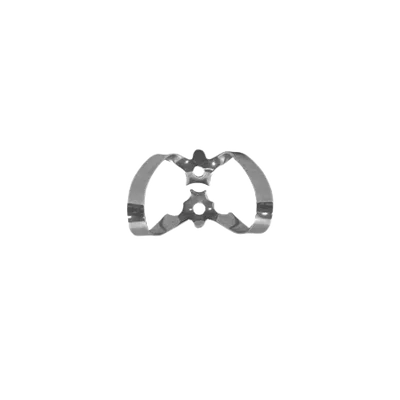
Rubber Dam Clamp Fig. 0 - Anterior, High Bow
The Rubber Dam Clamp Fig. 0 from Equate Instruments is a stainless-steel fixed retainer engineered for anterior teeth, including upper and lower incisors and canines (teeth 6-11 and 22-27). Its small, low-profile jaws seat just apical to the cervical line, while the high archwire bow lifts clear of the labial surface to expose the working field for Class III, IV, and V restorations. Made from spring-tempered stainless steel, the clamp is fully autoclavable and supplied non-sterile for in-clinic sterilisation. Two forceps holes accept standard rubber dam clamp forceps for precise placement on narrow anterior crowns.
View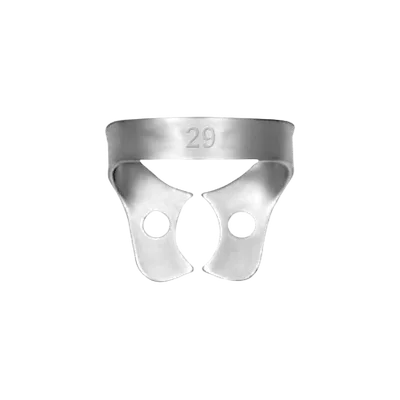
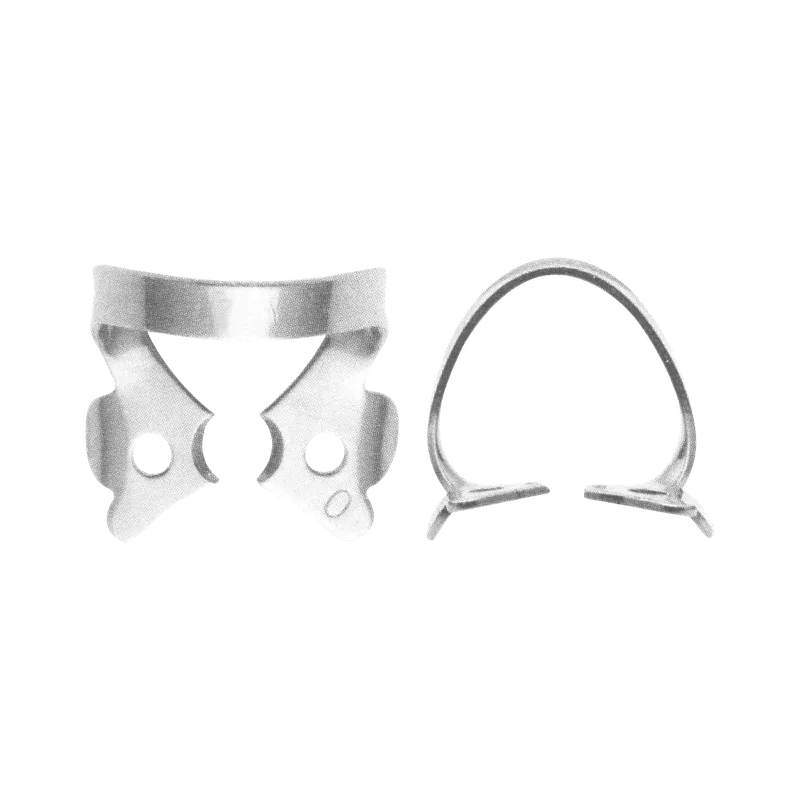
Rubber Dam Clamp Fig. 29 - Asymmetric Anterior
The Rubber Dam Clamp Fig. 29 from Equate Instruments is a stainless-steel fixed retainer with one small and one larger asymmetric jaw, profiled for upper and lower anterior teeth (teeth 6-11 and 22-27). The asymmetric geometry lets the larger jaw seat on the lingual cervical line while the smaller jaw sits on the labial surface, keeping the clamp clear of the working field during anterior restoration and bleaching isolation. Made from spring-tempered stainless steel, the clamp is fully autoclavable and supplied non-sterile for in-clinic sterilisation. Two forceps holes accept standard rubber dam clamp forceps for accurate placement on narrow anterior crowns.
View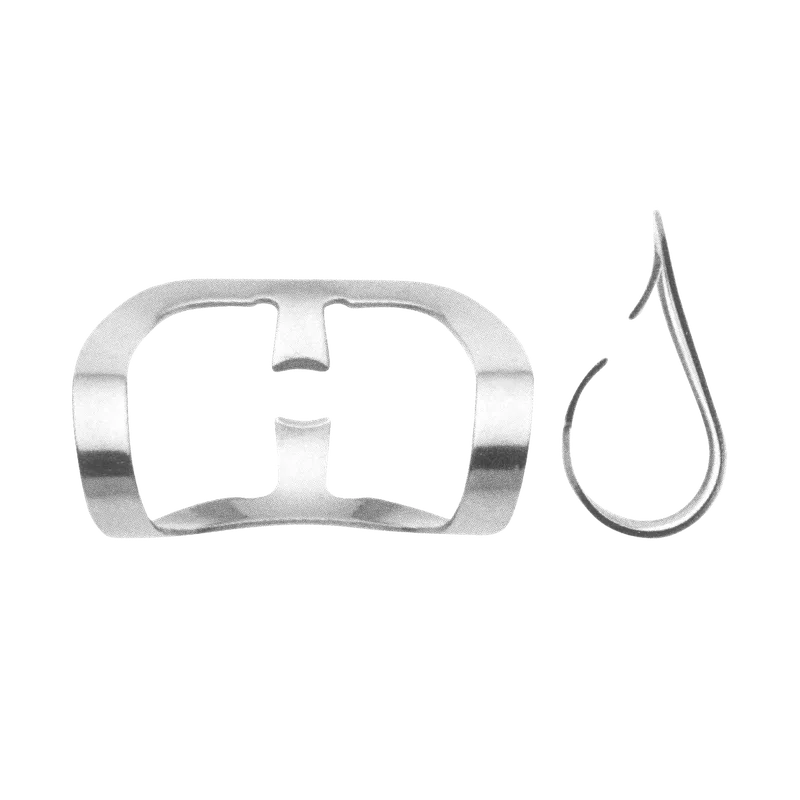
Rubber Dam Clamp Fig. 212 - Labial Anterior (Ferrier)
The Rubber Dam Clamp Fig. 212 from Equate Instruments is an H-shaped stainless-steel retainer - often called a Ferrier or labial clamp - designed to isolate the cervical third of anterior teeth (teeth 6-11 and 22-27) for Class V buccal restorations. The four-point jaw geometry seats apically on the buccal and lingual cervical line, retracting the gingiva to expose the restoration margin. Made from spring-tempered stainless steel and supplied by Equate Instruments, the clamp is fully autoclavable and ships non-sterile for in-clinic sterilisation. The open H-frame gives maximum visibility and direct bonding access, making it a workhorse for cervical composites on anterior teeth.
View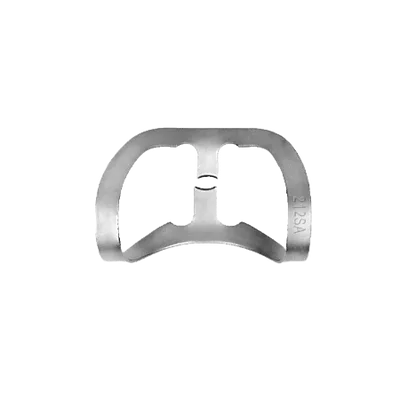
Rubber Dam Clamp Fig. 212SA - Labial Anterior
The Rubber Dam Clamp Fig. 212SA from Equate Instruments is an H-shaped labial anterior retainer derived from the classic 212 Ferrier design, with a refined jaw profile for reliable four-point seating on anterior cervical surfaces. It is intended for Class V buccal restorations on incisors and canines, retracting the gingival tissue and anchoring the rubber dam in a single step. Made from spring-tempered stainless steel, the clamp is fully autoclavable and supplied non-sterile for in-clinic sterilisation. The open H-frame keeps the labial field fully visible for direct composite placement and finishing.
View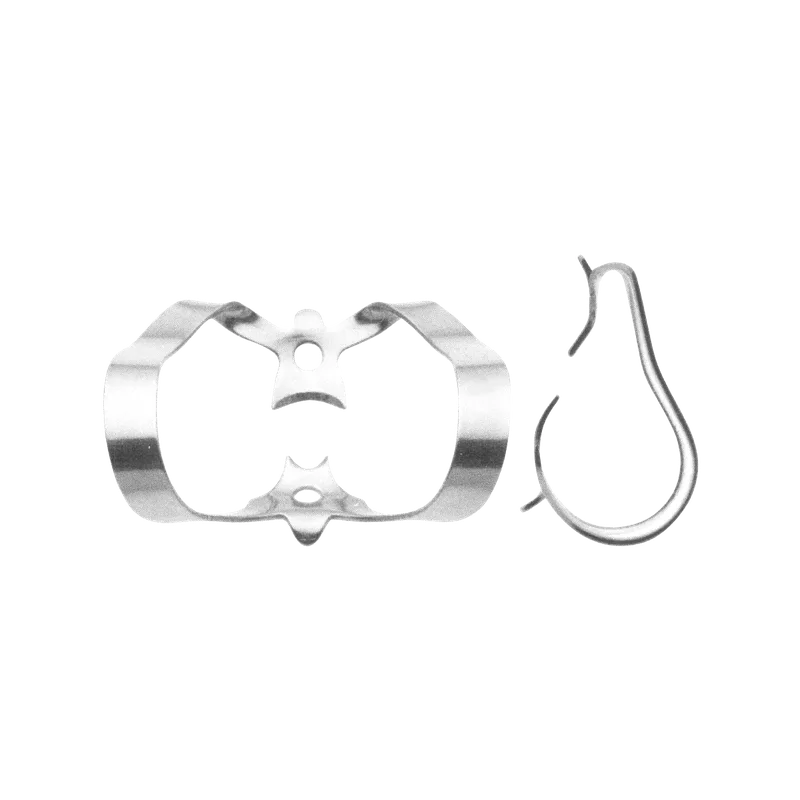
Rubber Dam Clamp Fig. 9 - Popular Anterior
The Rubber Dam Clamp Fig. 9 from Equate Instruments is an H-shape stainless-steel retainer and one of the most widely used anterior clamps in dentistry. Its flat four-point jaws engage the cervical line of incisors and canines (teeth 6-11 and 22-27), retracting the gingival margin and anchoring the dam for a wide range of anterior restorative and cosmetic procedures. Made from spring-tempered stainless steel, the clamp is fully autoclavable and supplied non-sterile for in-clinic sterilisation. The open H-frame gives the clinician direct labial access for Class III, IV, and V composite work.
View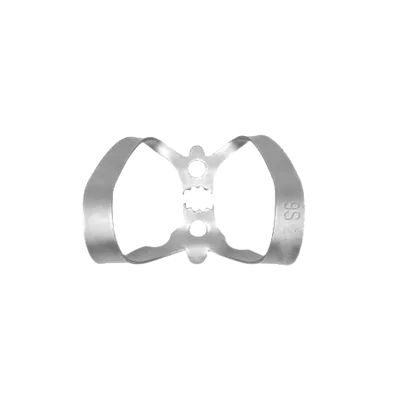
Rubber Dam Clamp Fig. 9S - Serrated Anterior
The Rubber Dam Clamp Fig. 9S from Equate Instruments is an H-shape stainless-steel retainer with offset, flat-serrated jaws profiled for anterior teeth (teeth 6-11 and 22-27). The fine inner serrations bite into the cervical enamel, giving extra grip on restored or smooth anterior crowns where a plain flat-jaw anterior clamp would rotate. Made from spring-tempered stainless steel, the clamp is fully autoclavable and supplied non-sterile for in-clinic sterilisation. The open H-frame keeps the labial field clear for direct composite, veneer, and Class V bonding work.
View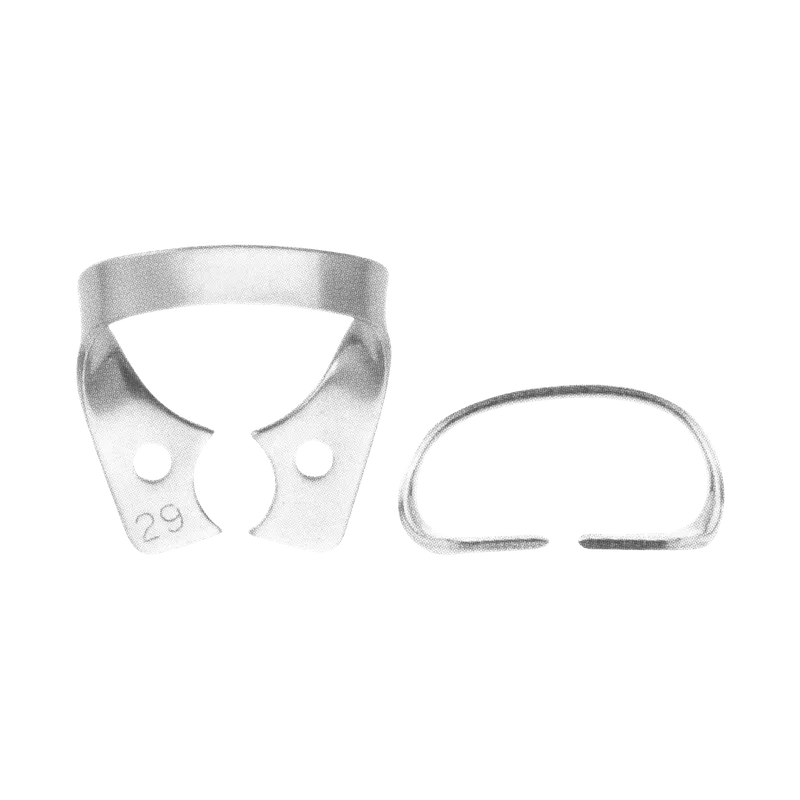
Fig.29 Rubber Dam Clamp with Asymmetric Jaws for Anterior Teeth
The Fig.29 Rubber Dam Clamp is a stainless steel isolation clamp built with one small jaw and one large jaw, a tall bow, and a narrow profile that suits anterior teeth. The asymmetric jaw arrangement compensates for the asymmetric cervical anatomy of incisors and canines, letting the clamp seat securely without rocking. The taller bow keeps the clinician's instruments clear of the dam during anterior operative work. Equate Instruments machines this clamp from surgical-grade stainless steel so it retains spring tension through repeated autoclaving. The bow is drilled with two holes for a standard rubber dam clamp forceps and is supplied non-sterile for routine in-clinic reprocessing.
View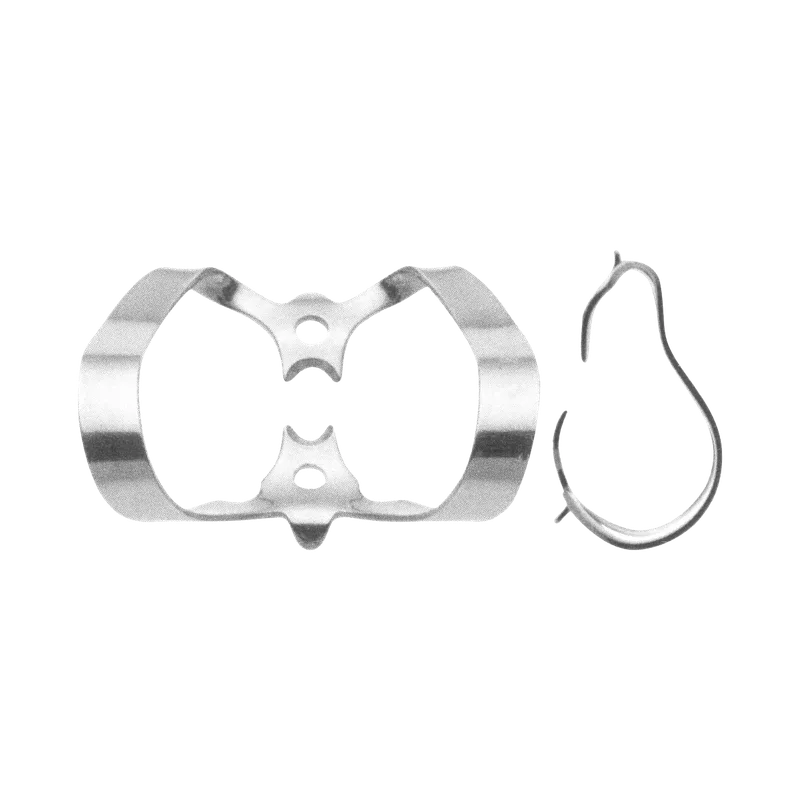
Fig.210 Rubber Dam Clamp with High Bow for Anteriors and Small Premolars
The Fig.210 Rubber Dam Clamp is a stainless steel isolation clamp with small, compact jaws and a distinctive high butterfly-style bow that raises the clamp body well away from the incisal edge. The tall bow keeps the clamp clear of hand instruments and photography angles during anterior procedures, while the small jaws engage the narrow cervical area of incisors, canines, and slim premolars without over-extending onto adjacent teeth. Equate Instruments machines this clamp from surgical-grade stainless steel so it retains spring tension through repeated autoclaving. The bow is drilled with a hole on each shoulder for a standard rubber dam clamp forceps and is supplied non-sterile for routine in-clinic reprocessing.
View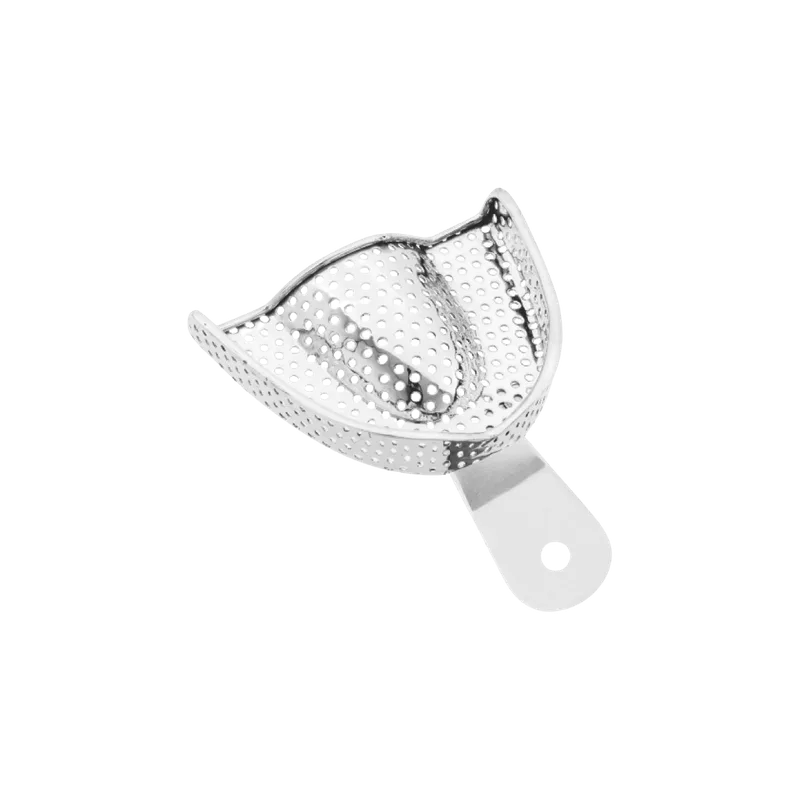
Perforated Upper Impression Tray No. 5
The double-ended Explorer is a diagnostic hand instrument used by general dentists and hygienists to detect caries, locate surface calculus, and trace restoration margins during routine examinations. Fine stainless-steel tips transmit clear tactile feedback through the shank, letting the operator trace fissures, margins, and furcation entrances without applying excess force. Offset working ends give angled access to anterior and posterior surfaces from one pen grasp. The ergonomic handle is profiled to stay stable during light, repeated probing and dampens hand fatigue across a full exam schedule. Equate Instruments supplies the explorer non-sterile and fully autoclavable for straightforward processing in pouches or cassettes.
View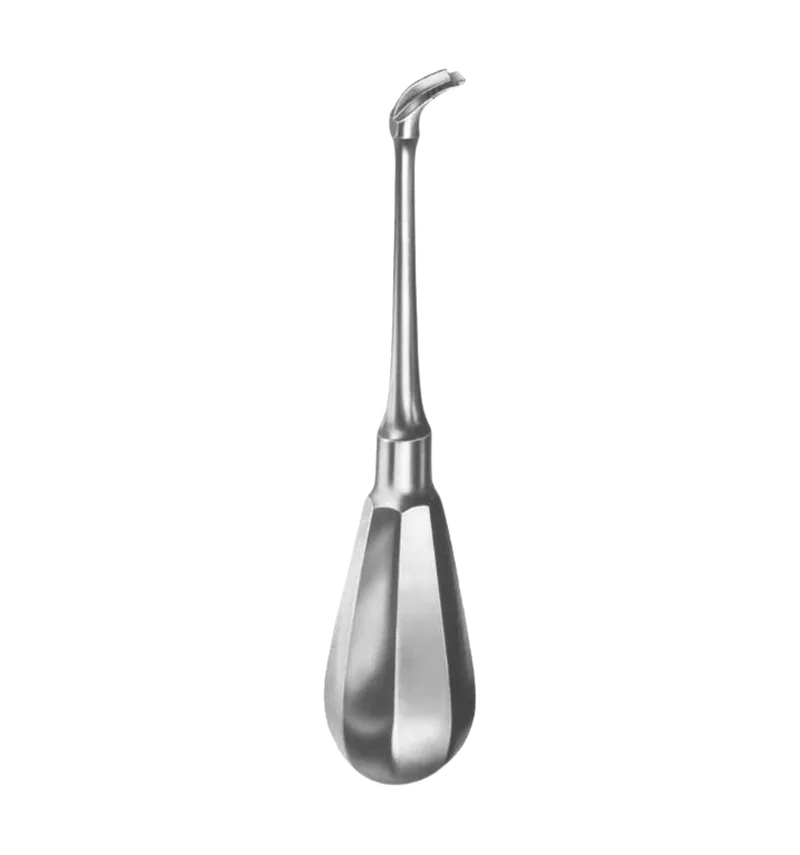
Universal Crown Remover
The Universal Crown Remover is a heavy, single-ended instrument for breaking the cement seal on cast and provisional crowns. The broad pear-shaped handle gives the clinician the hand volume and mechanical advantage of an elevator, while the slim angled shank terminates in a small hooked working tip that engages the margin of the crown. Rocking pressure applied through the handle transfers cleanly to the tip and lifts the crown away from the abutment. Equate Instruments forges the body in solid stainless steel for rigidity and long service life. The instrument is corrosion resistant, fully autoclavable, and supplied non-sterile for processing through the clinic's routine sterilisation cycle. Equally useful for prosthodontic recementation appointments and chairside retreatment.
View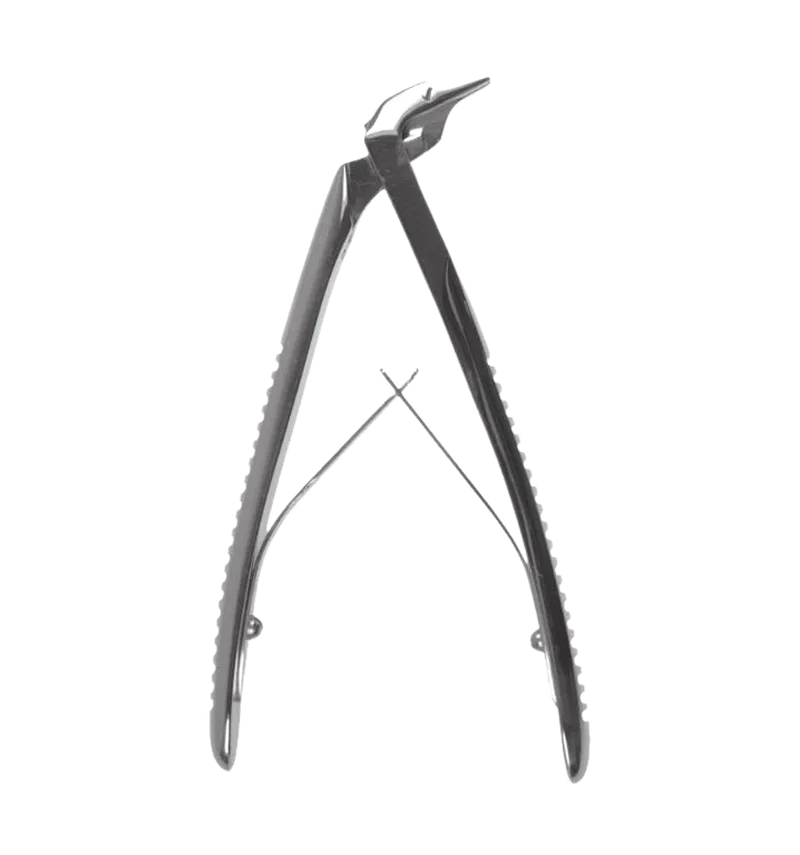
Crown Spreader Pliers 17 cm
The Crown Spreader Pliers are a 17 cm reverse-action plier used to break the cement seal on cast crowns by applying a controlled outward force at the crown margin. A pair of small hooked beaks engage the lingual and buccal margins, and when the handles are squeezed the beaks move apart rather than together, spreading the crown off the abutment. The long serrated handles give the clinician firm grip even when wet. Equate Instruments finishes the plier in forged stainless steel with a smooth box-joint pivot. The body is corrosion resistant, fully autoclavable, and supplied non-sterile so the clinic can process it through its routine sterilisation workflow.
View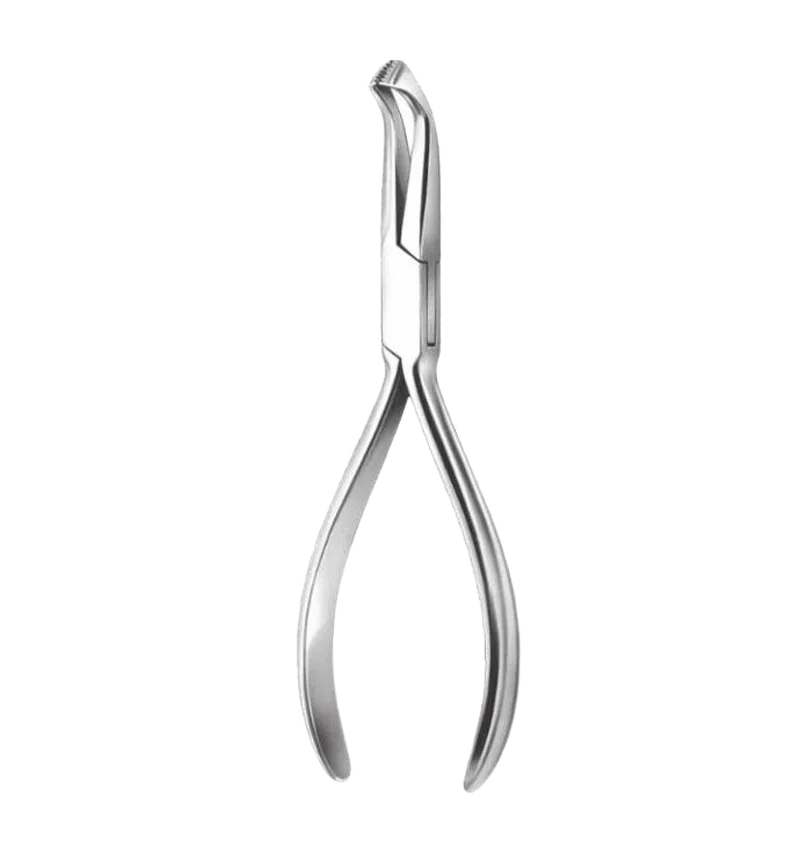
Crown Removing Pliers
These Crown Removing Pliers lift cemented cast crowns and provisional crowns from the abutment once the cement seal is broken. The angled beak carries a small serrated pad on the inner face that bites into the occlusal or incisal surface of the crown, while the opposing straight jaw rests against the margin. Squeezing the handles pulls the crown axially off the abutment with controlled, repeatable force. Equate Instruments builds the plier in forged stainless steel with tapered arms and a smooth box-joint pivot. The tool is corrosion resistant, fully autoclavable, and supplied non-sterile for processing through the clinic's routine sterilisation workflow.
View