Bracket Holding Tweezer
Written & reviewed by the Equate Technical Team · Updated
A bracket holding tweezer is a fine orthodontic tweezer that grips an orthodontic bracket by its wings or slot so the clinician can carry it to the tooth, position it, and seat it in the adhesive before curing. Tips are shaped to hold the bracket securely without covering the bonding base, and cross-action patterns stay closed at rest.
What the tweezer does in direct bonding
In direct bonding the clinician picks up each bracket, places adhesive on the base, carries it to the tooth surface and adjusts its height, angulation and mesiodistal position before light curing. The tweezer is the instrument that controls the bracket during that whole sequence, so its tip geometry decides how confidently the bracket can be held while the position is fine-tuned.
Placement accuracy matters clinically. A 1999 in vitro comparison reported that neither direct nor indirect bonding produced ideal placement, and that indirect bonding was better only for bracket height. A 2019 systematic review of trials in BMC Oral Health reported no significant difference in placement accuracy between the two techniques, while noting that high-quality randomized trials are still needed. Whichever technique is used, a stable, well-matched tweezer is the tool the clinician controls directly.
Straight, cross-action, reverse-action and self-ligating patterns
- Normal-action tweezers close when the shanks are squeezed and open on release, which suits quick pickup and release.
- Cross-action tweezers stay closed at rest and open when squeezed, so the bracket stays gripped without finger pressure; Equate lists 11.5 cm and 14 cm cross-action bonding tweezers.
- Reverse-action patterns are listed for lingual bracket holding (a 14 cm cross-action lingual pattern) and as 13 cm soldering tweezers for lab work.
- Self-ligating bracket tweezers are designed for carrying self-ligating brackets; Equate lists a 12 cm Easy Access Self-Ligating Bracket Tweezer.
- Length varies from 11.5 to 16 cm; longer tweezers help with posterior teeth and deep-set positions.
Equate bracket tweezer range
| Type | Equate examples | Typical use |
|---|---|---|
| Bracket positioning / holding | Bracket Positioning Tweezer 12 cm; Bracket Holding Tweezers 12 cm; Bracket Placing Tweezers 13 cm | Direct bonding of standard brackets |
| Deluxe / extra-long | Deluxe Bracket Holder Tweezer 12 cm; Serrated Extra-Long 16 cm | Posterior access and secure serrated grip |
| Cross-action bonding | Bonding Tweezers 11.5 cm and 14 cm Heavy | Hands-free bracket holding |
| Reverse-action | Lingual Bracket Holding Tweezers 14 cm; Soldering Tweezers 13 cm | Lingual bonding, lab work |
| Self-ligating | Easy Access Self-Ligating Bracket Tweezer 12 cm | Carrying self-ligating brackets |
Choosing a tweezer
Match the tip to the brackets you place most. Metal, ceramic and self-ligating brackets differ in wing size and fragility, and ceramic brackets in particular should be gripped without point loading. Tips should align exactly, with no gap between the jaws when closed, otherwise the bracket can rotate as it is seated.
Cross-action is often preferred when an assistant passes pre-loaded brackets, because the grip holds without effort. Normal-action patterns suit clinicians who prefer to release instantly. A satin finish reduces glare under the operating light, and a lightweight handle improves feel when making small corrections.
Specifications and care
Equate bracket tweezers are stainless steel, passivated, ultrasonically cleaned, reusable and latex free, individually packed and tested by shape, boil and performance tests. They are supplied non-sterile and should be cleaned and steam sterilised before use, following the practice protocol and the manufacturer instructions.
Remove adhesive from the tips with a wipe before it hardens rather than scraping with a metal tool, and check at each reprocessing cycle that the tips still close fully. Bent or worn tips are best replaced rather than reshaped, since misaligned tips are a common reason for a bracket twisting when released.
The Equate difference
Equate lists 14 bracket holding tweezers, from 11.5 cm cross-action bonding tweezers to a 16 cm serrated extra-long pattern, plus 2 reverse-action and 1 self-ligating bracket tweezer, all in passivated stainless steel.
Equate Bracket Holding Tweezer options
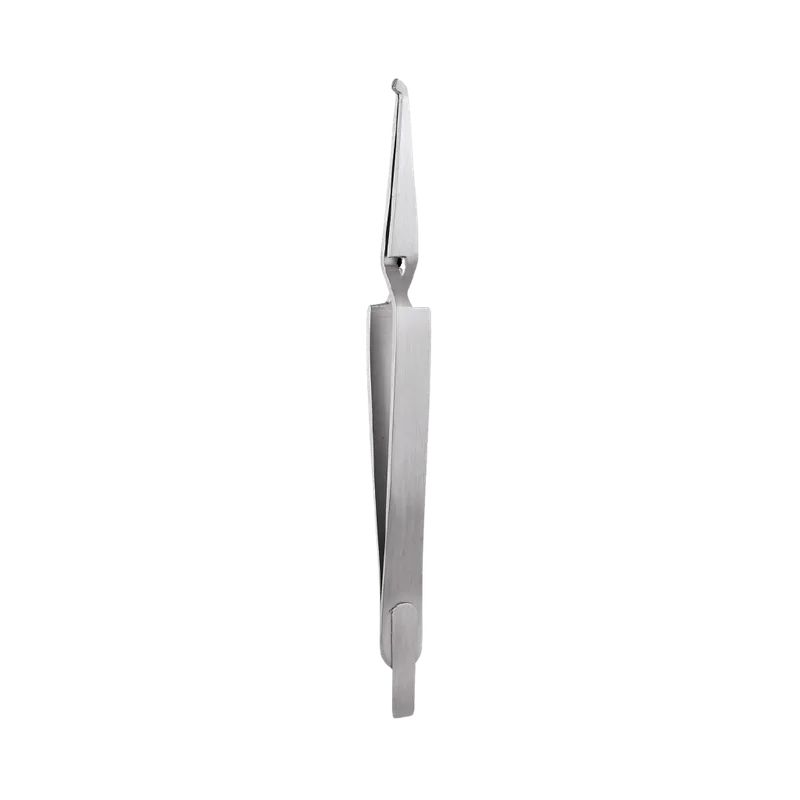
Bracket Positioning Tweezer 12 cm
EI-0680
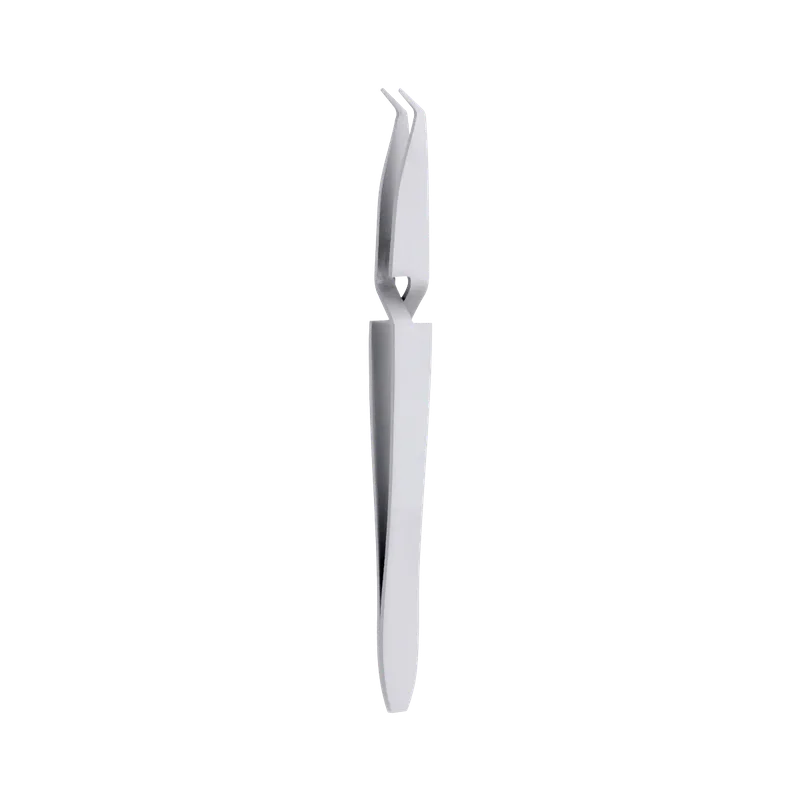
Bracket Holding Tweezers 12 cm
EI-0689
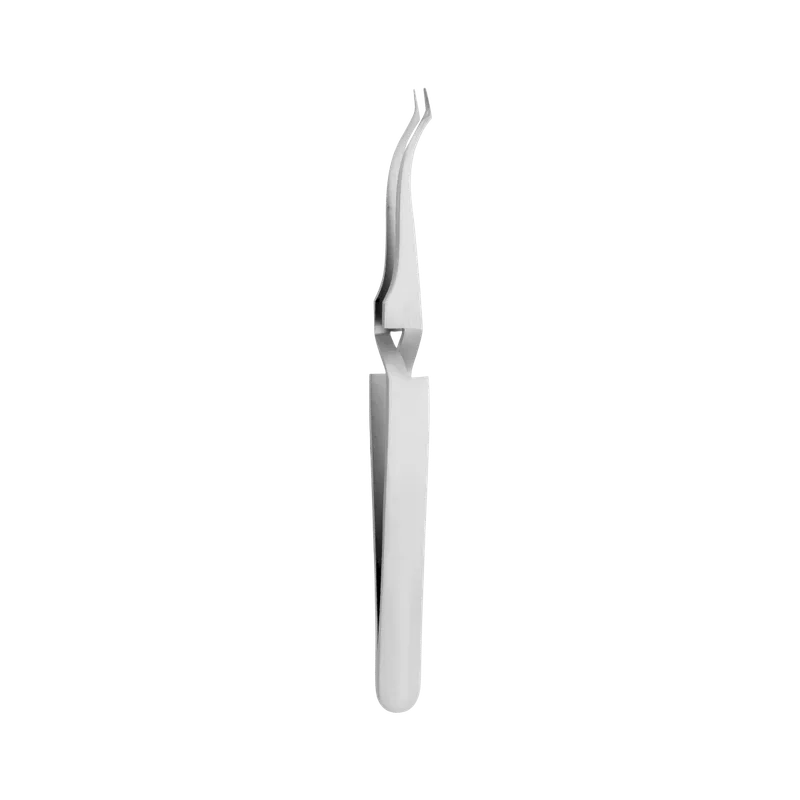
Bracket Placing Tweezers 13 cm
EI-0690
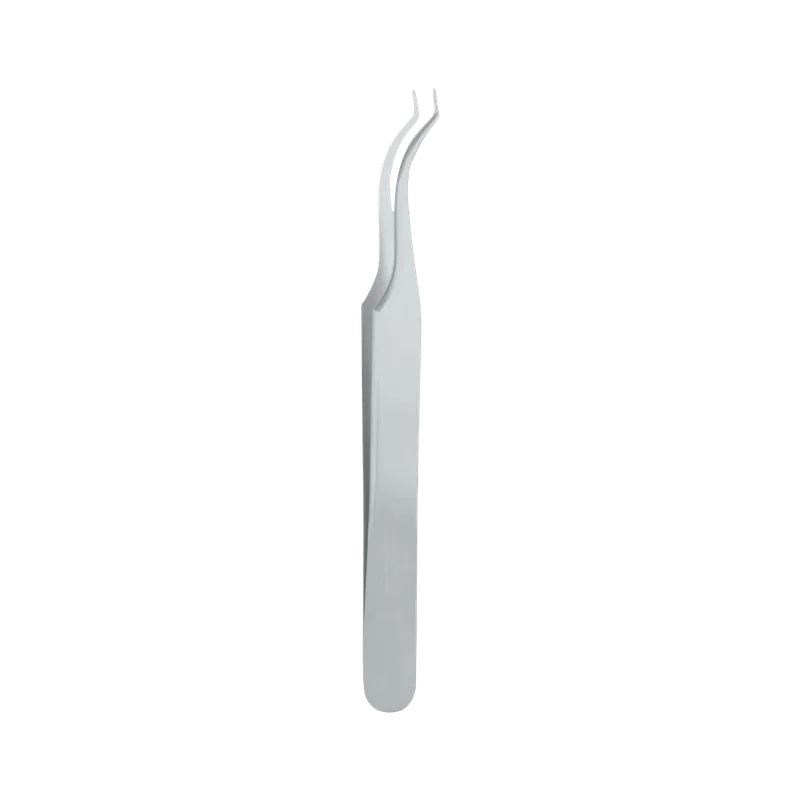
Easy Access Self-Ligating Bracket Tweezer 12 cm
EI-2555
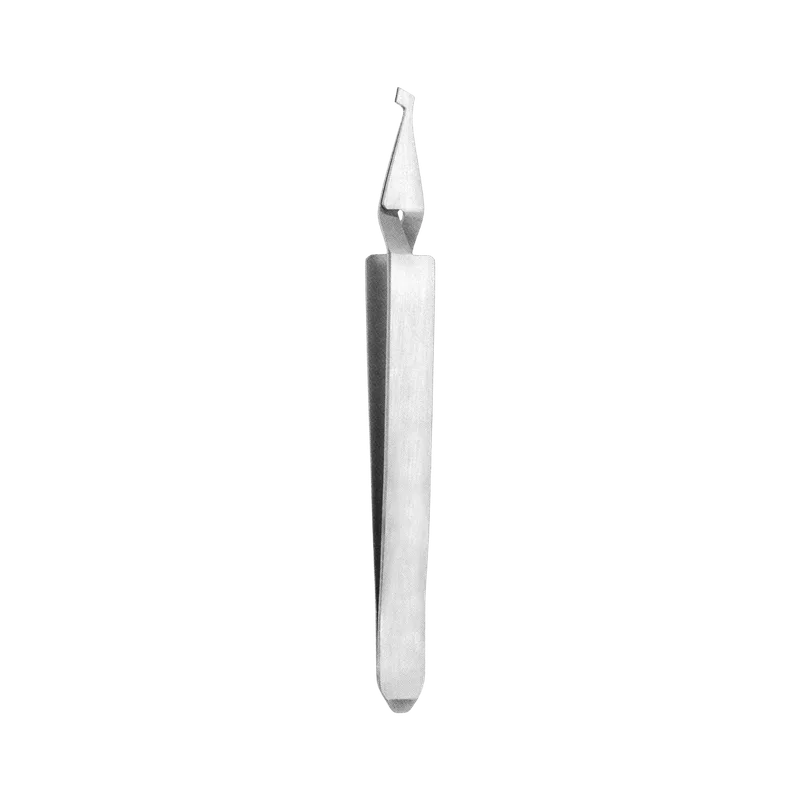
Bracket Positioning Tweezer 12 cm
EI-2556
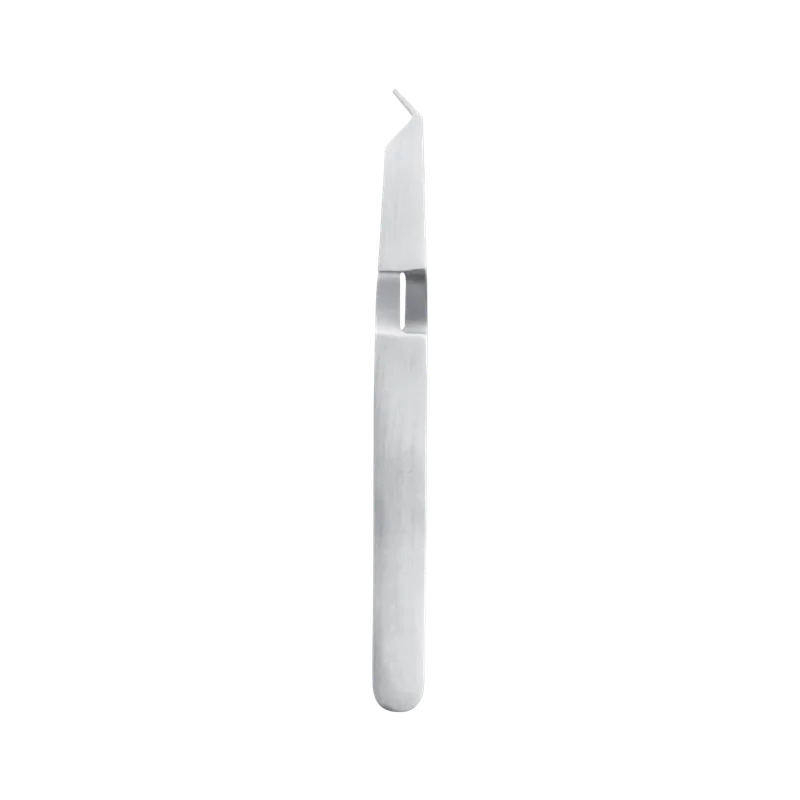
Deluxe Bracket Holder Tweezer 12 cm
EI-2557
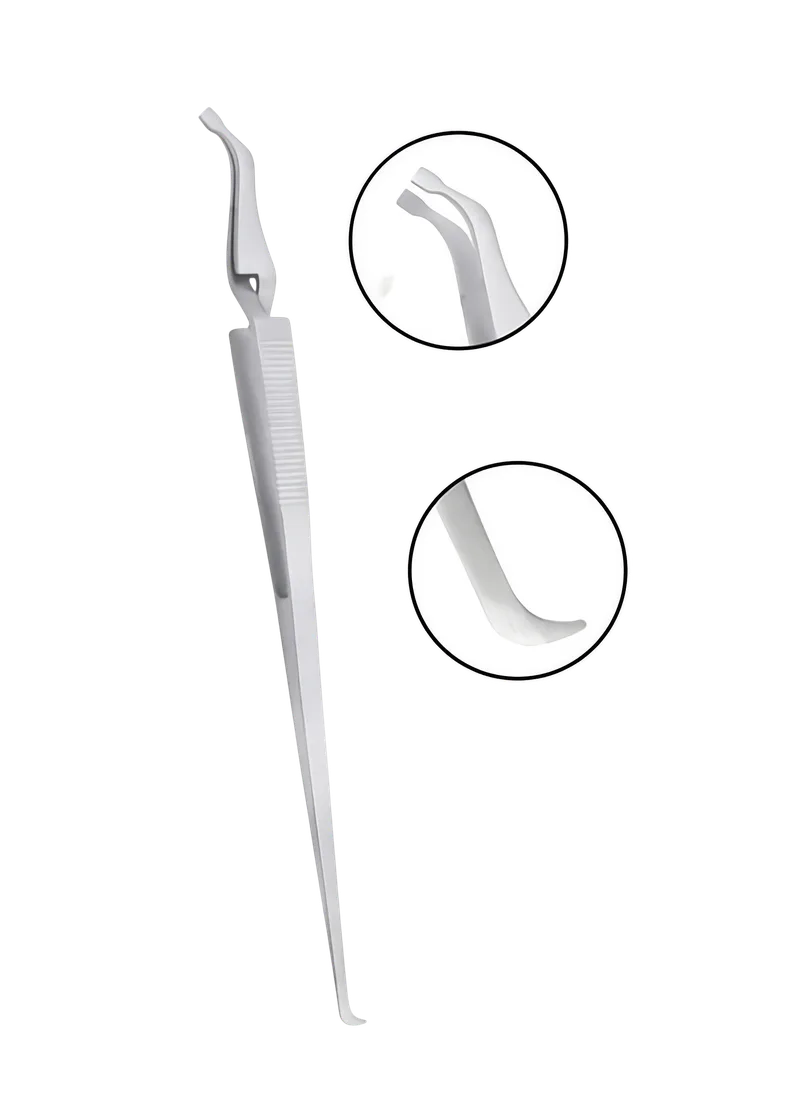
Bracket Holding Tweezers Serrated Extra-Long 16cm
EI-3128
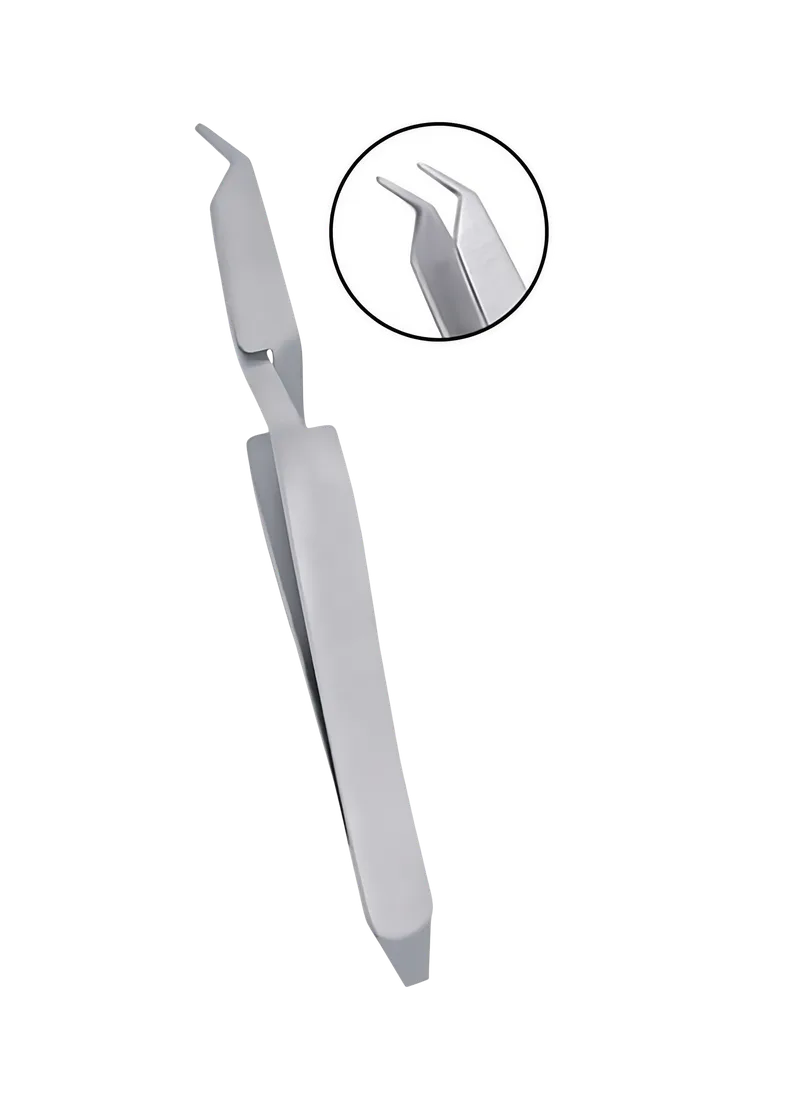
Bonding Tweezers - 11.5 cm Cross Action
EI-3223
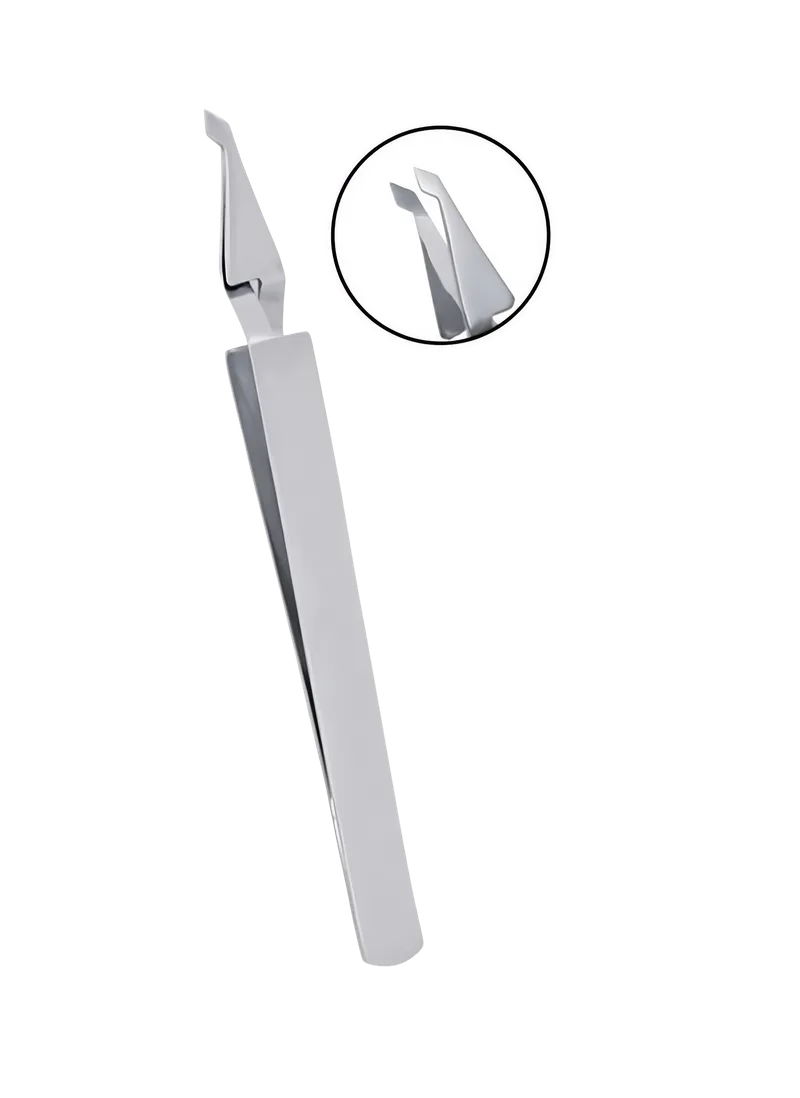
Bonding Tweezers - 14 cm Heavy, Cross Action
EI-3224
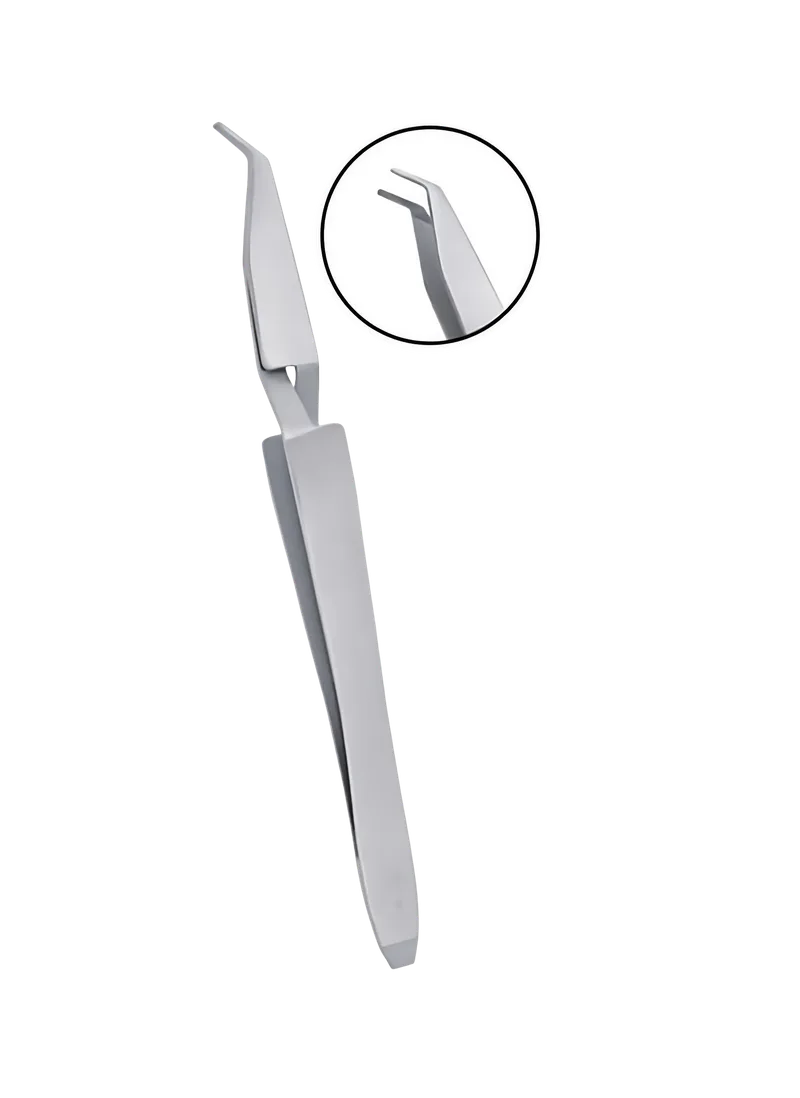
Bracket Placer & Slot Aligner Tweezers
EI-3225
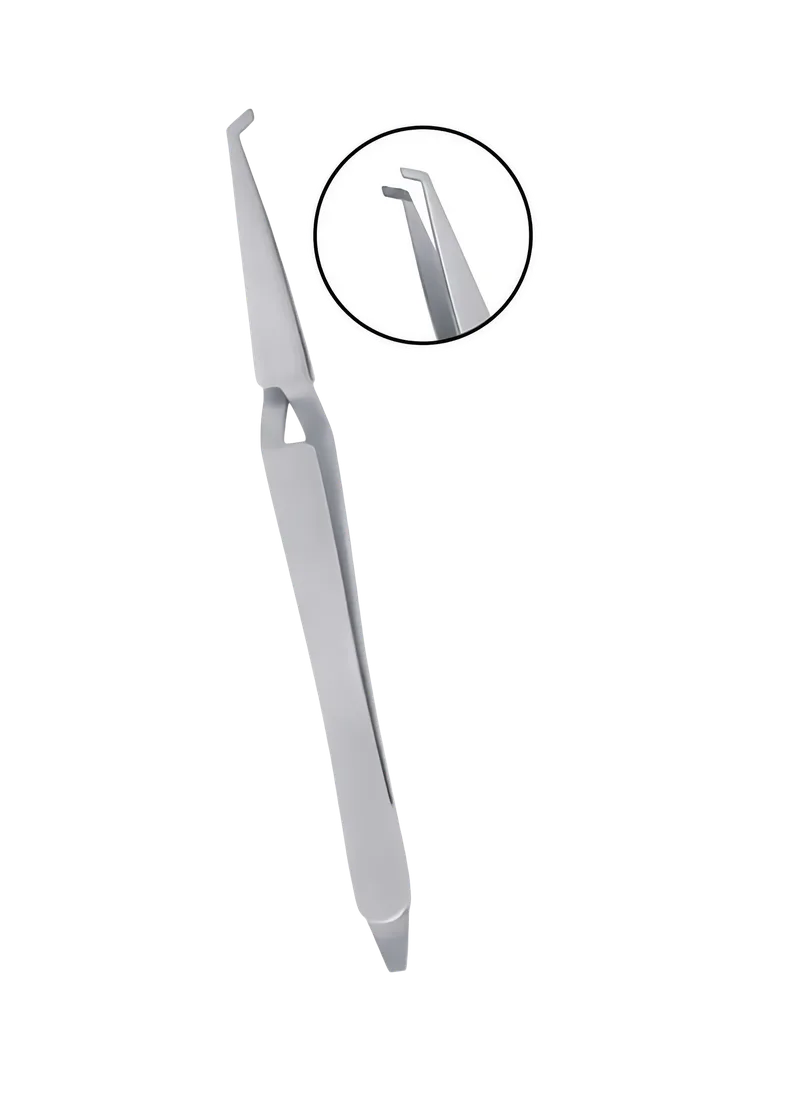
Improved Bonding Tweezers - 13 cm, Cross Action
EI-3226
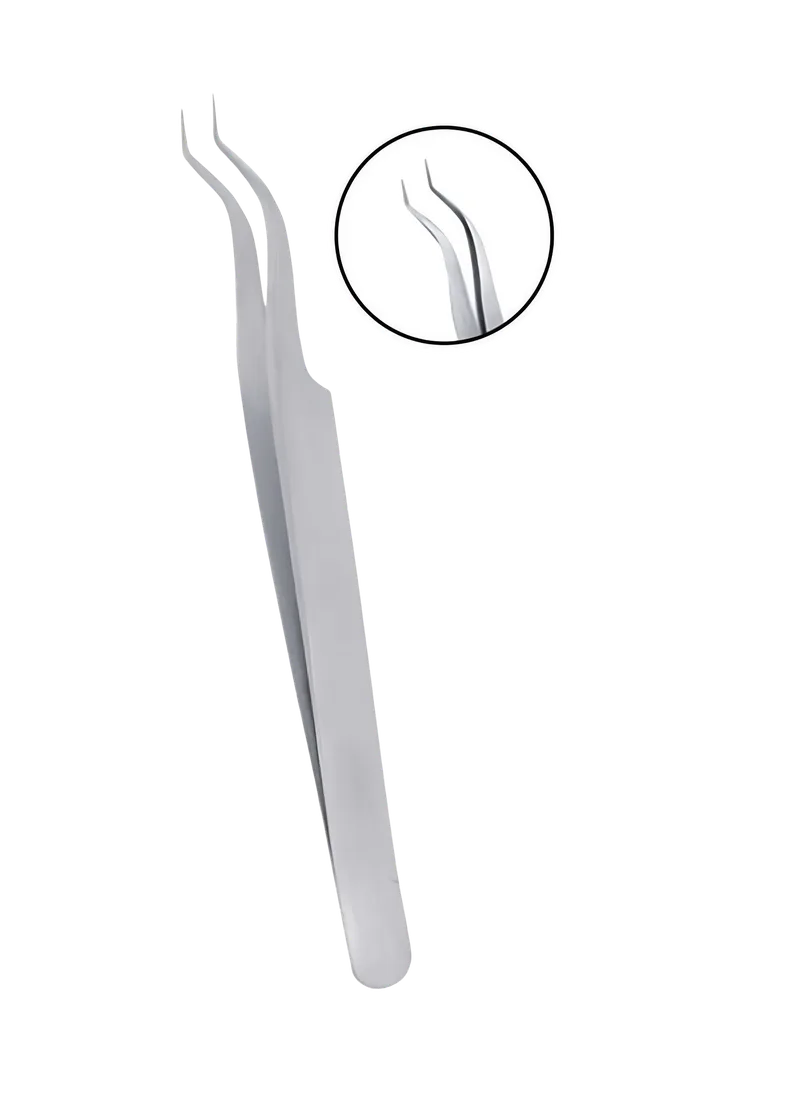
Keat Buccal Tube Tweezers
EI-3227
Frequently asked questions
What is a bracket holding tweezer used for?
It grips an orthodontic bracket so the clinician can carry it to the tooth, position it in the adhesive and fine-tune its location before curing. It is a core instrument for direct bonding.
What is the difference between cross-action and normal-action bracket tweezers?
Cross-action tweezers stay closed at rest and open when squeezed, holding the bracket without finger pressure. Normal-action tweezers close when squeezed and open when released.
Can the same tweezer hold ceramic and metal brackets?
Many can, but ceramic brackets are brittle, so use well-aligned tips and avoid pinching one wing hard. Check the manufacturer guidance for the bracket you place.
How long should a bracket tweezer be?
Common lengths run from about 11.5 to 16 cm. Shorter tweezers give feel anteriorly; longer ones help access in posterior areas.
What is a self-ligating bracket tweezer?
A tweezer designed for carrying and seating self-ligating brackets, such as the 12 cm Easy Access pattern in the Equate range.
Are bracket tweezers autoclavable?
Stainless steel orthodontic tweezers are generally reprocessed by cleaning and steam sterilisation. Equate supplies them non-sterile and reusable, so clean and sterilise before first use.
References
I am a…