Debonding Plier
Written & reviewed by the Equate Technical Team · Updated
A debonding plier is an orthodontic plier designed to remove bonded brackets from the teeth by breaking the adhesive bond in a controlled way. Most designs squeeze the bracket wings or engage the base edge so the bond fails at the bracket–adhesive interface, leaving adhesive on the tooth to be cleaned off rather than stressing the enamel.
What it is used for
At the end of fixed appliance treatment, every bracket must come off without damaging the enamel. Debonding pliers are designed to make the bond fail at the bracket side of the adhesive, so that most adhesive stays on the tooth and is then removed with a bur or adhesive removing plier. Using general pliers such as a Weingart or a ligature cutter to pry brackets off concentrates force at the enamel–adhesive interface instead, which in vitro studies associate with more enamel damage.
Types
| Type | How it works | Best for |
|---|---|---|
| Squeeze-type debonding plier | Blades engage the bracket wings mesio-distally and deform the base | Metal brackets |
| Direct bond remover (wide) | Carbide tip under the base edge, pad on the incisal edge | Metal brackets, controlled peel |
| Angulated debonding plier | Angled head for posterior access | Premolars and molars |
| Ceramic bracket remover | Designed to apply wing-squeeze or torsional force suited to ceramic | Ceramic brackets (follow bracket maker's protocol) |
| Adhesive removing plier | Carbide blade and pad scrape residual composite | After debond, before polishing |
Evidence on enamel safety
Published in vitro work generally finds that when brackets are removed with appropriately designed debonding pliers, new enamel cracks are uncommon, and that higher bond strengths are associated with the few cracks that do appear. Pliers that apply pressure at the bracket base rather than deforming the bracket, and improvised instruments, tend to cause more damage. Ceramic brackets need extra care because they do not deform and can fracture; follow the bracket manufacturer's recommended removal method.
How to choose
- Match the remover to your bracket type: a ceramic remover for ceramic brackets.
- Carbide tips stay sharp enough to seat under the bracket base edge.
- Replaceable tips and pads lower long-term cost and keep hygiene simple.
- An angulated head improves posterior access.
- Pair with an adhesive removing plier or a dedicated carbide bur for clean-up.
Care
Replace Teflon or plastic pads when worn, inspect carbide tips for chips, lubricate joints and autoclave open. A dull tip makes the clinician squeeze harder, which reduces control.
Published work on orthodontic pliers suggests steam autoclaving is generally gentler on stainless steel pliers than prolonged chemical immersion: a small in-vitro pilot study in the Dental Press Journal of Orthodontics found oxidation on only one of two brands after 100 autoclave cycles and more corrosion after 2% peracetic acid, and an earlier study of ligature-cutting pliers found no significant difference in tip wear between steam and dry-heat sterilisation. Both are small studies, so follow each manufacturer's reprocessing instructions.
The Equate difference
Equate offers 14 debonding and bracket remover references — angulated TC debonding pliers, wide direct bond removers with replaceable carbide tips and Teflon pads, a 45° ceramic bracket remover and adhesive removing pliers — at a typical list price about 44% below premium European RRPs.
Equate Debonding Plier options
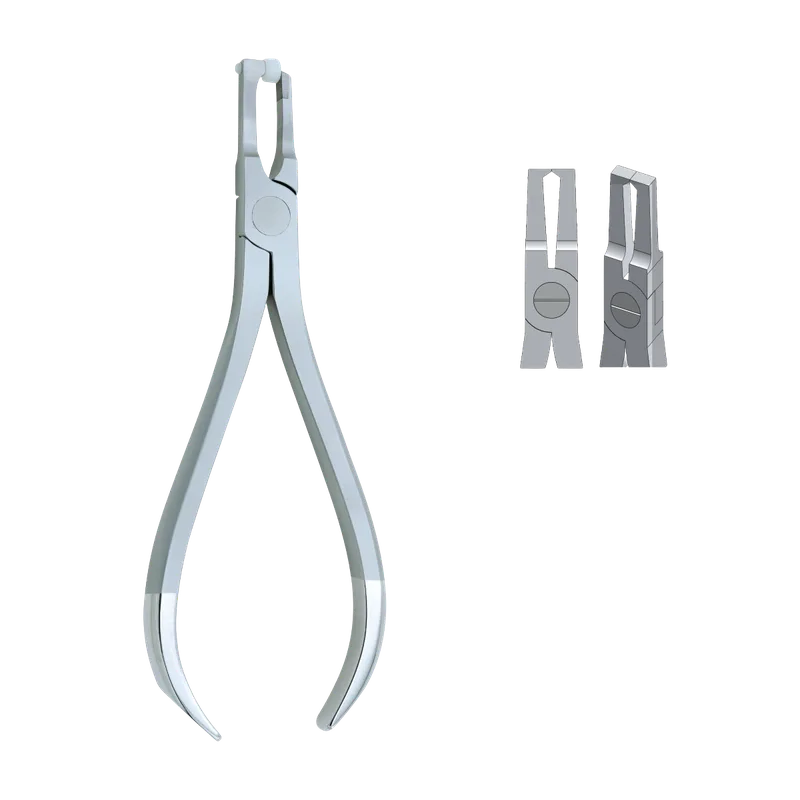
Direct Bond Bracket Remover Plier
EI-0684
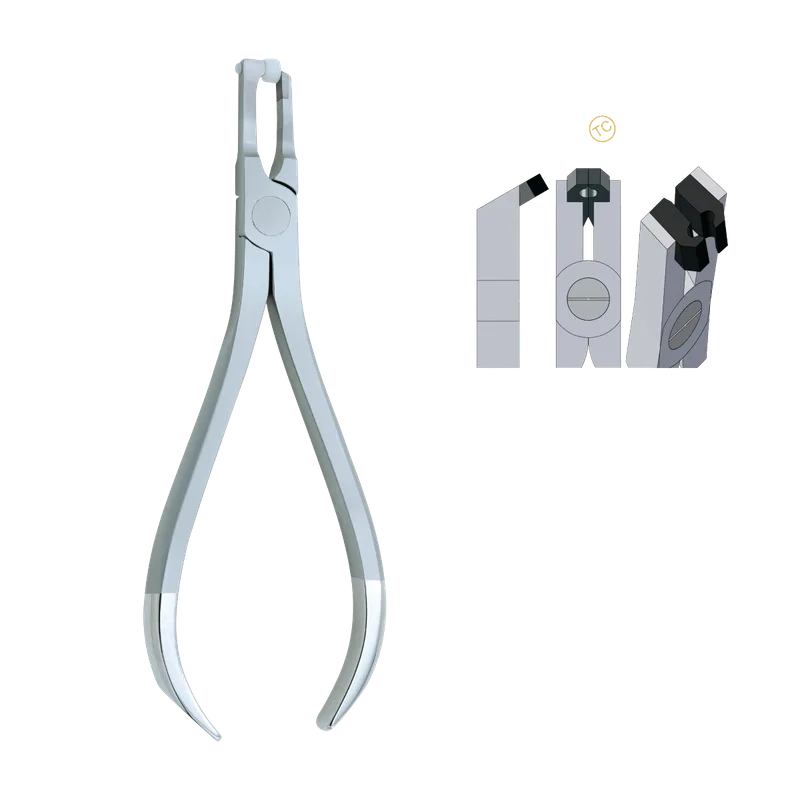
Angulated Debonding Pliers (TC)
EI-0685
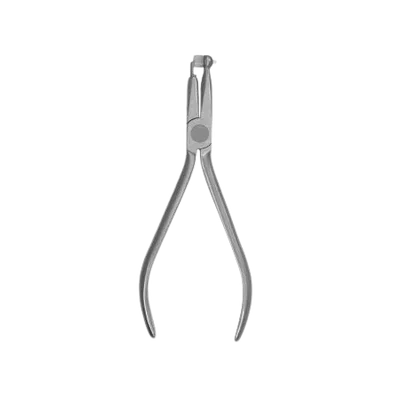
Adhesive Removing Pliers (TC)
EI-0686
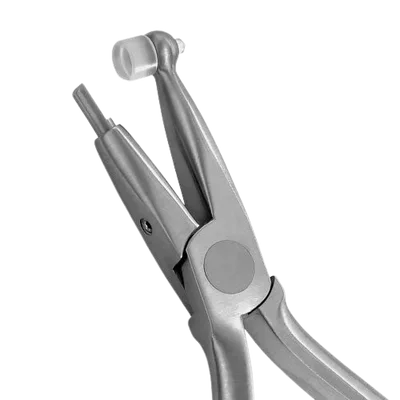
Adhesive Remover Changeable Parts - 5 Sets (Carbide Tip + Teflon Pad)
EI-0687
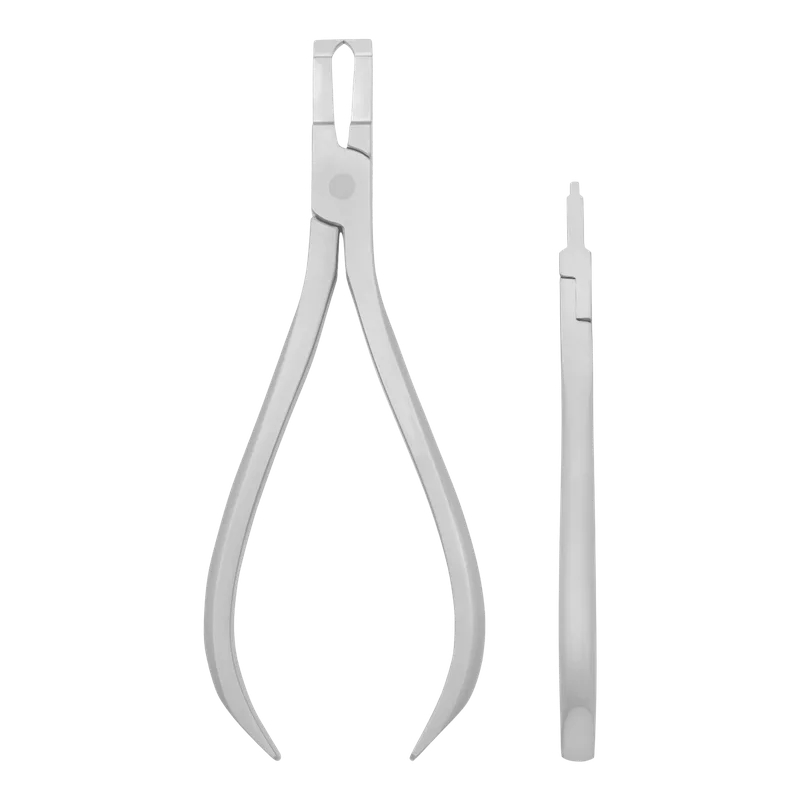
Bracket Remover with Narrow Tip
EI-2579
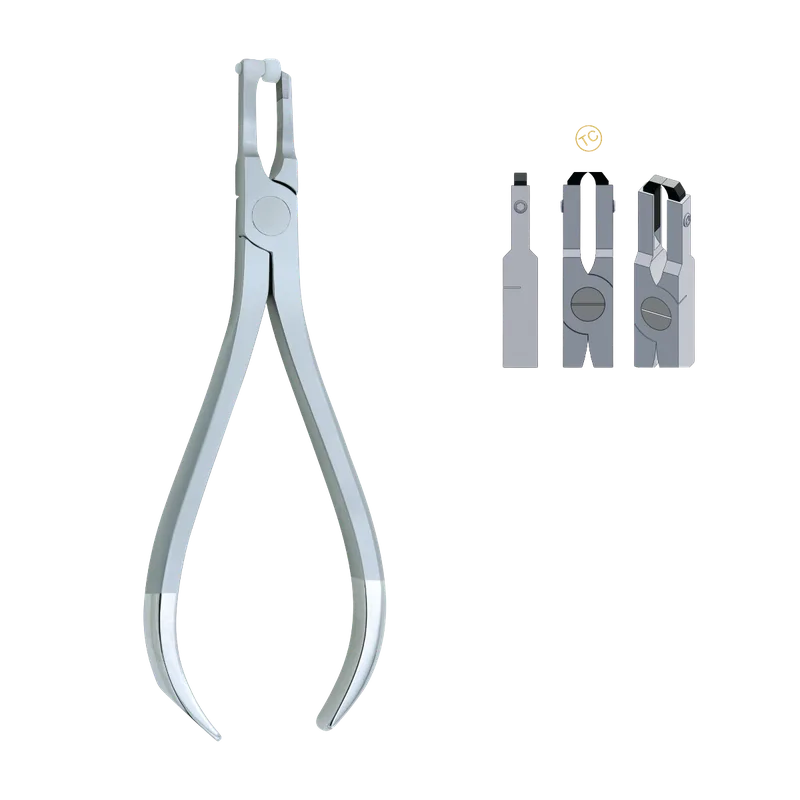
Direct Bond Remover - Wide Tungsten Carbide
EI-2584
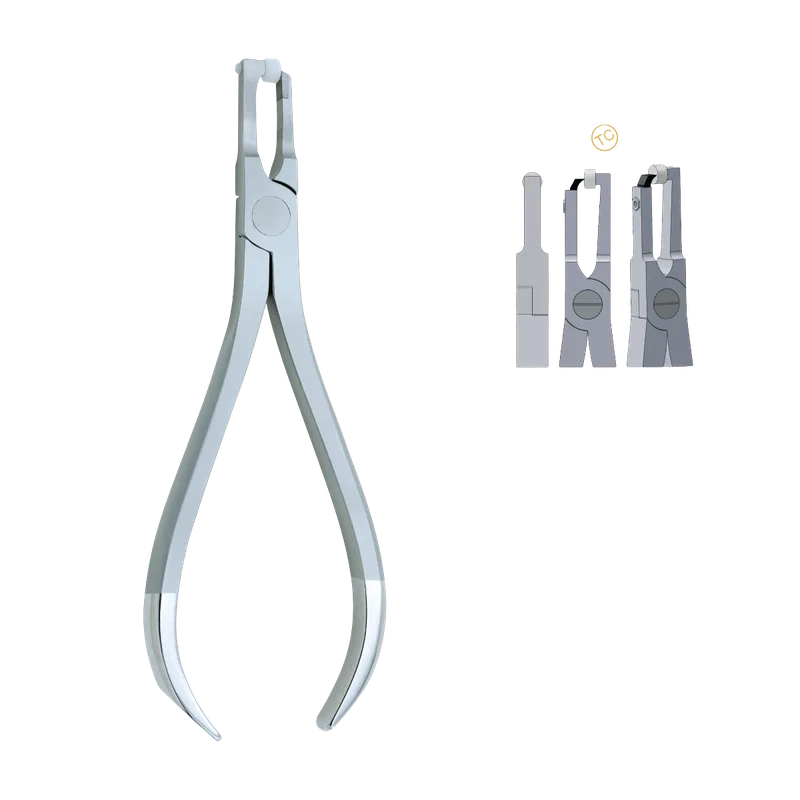
Direct Bond Bracket Remover - Wide with Replaceable Tip and Pad, Tungsten Carbide
EI-2585
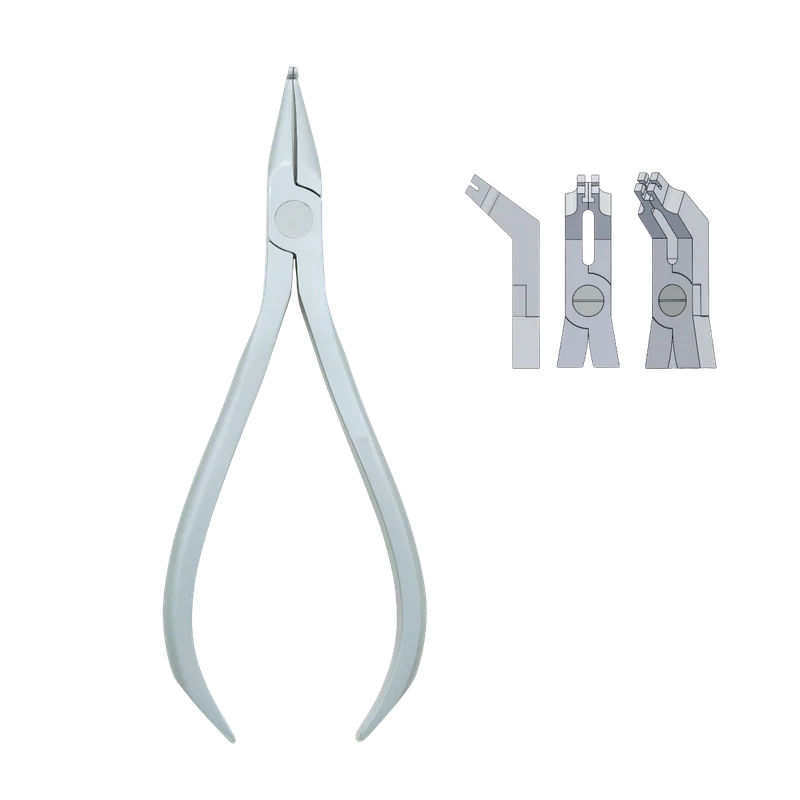
Debonding Pliers
EI-2612
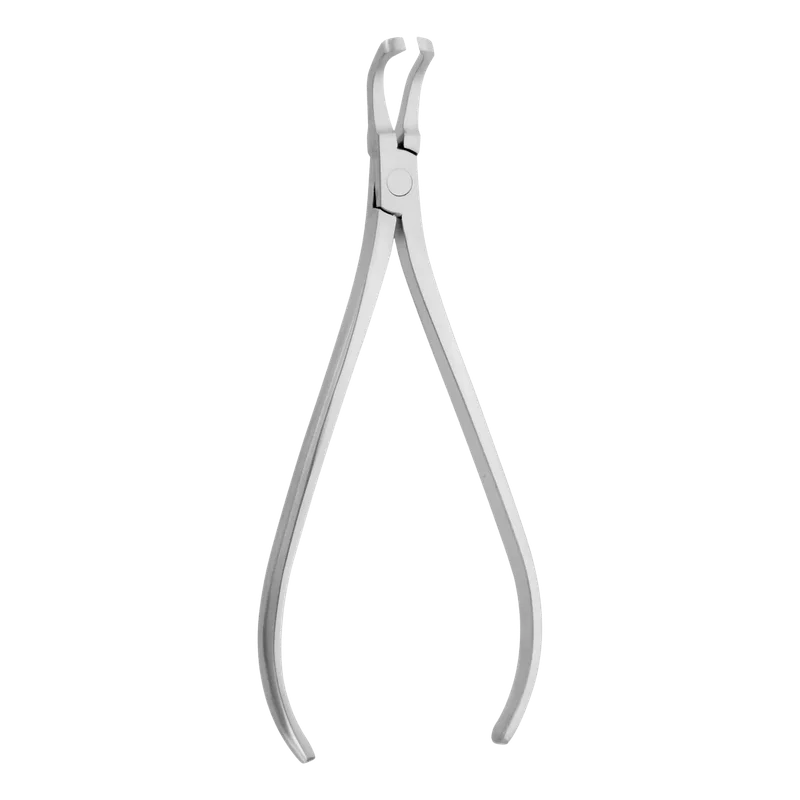
Angled Direct Bond Remover Plier Long Handle
EI-2652
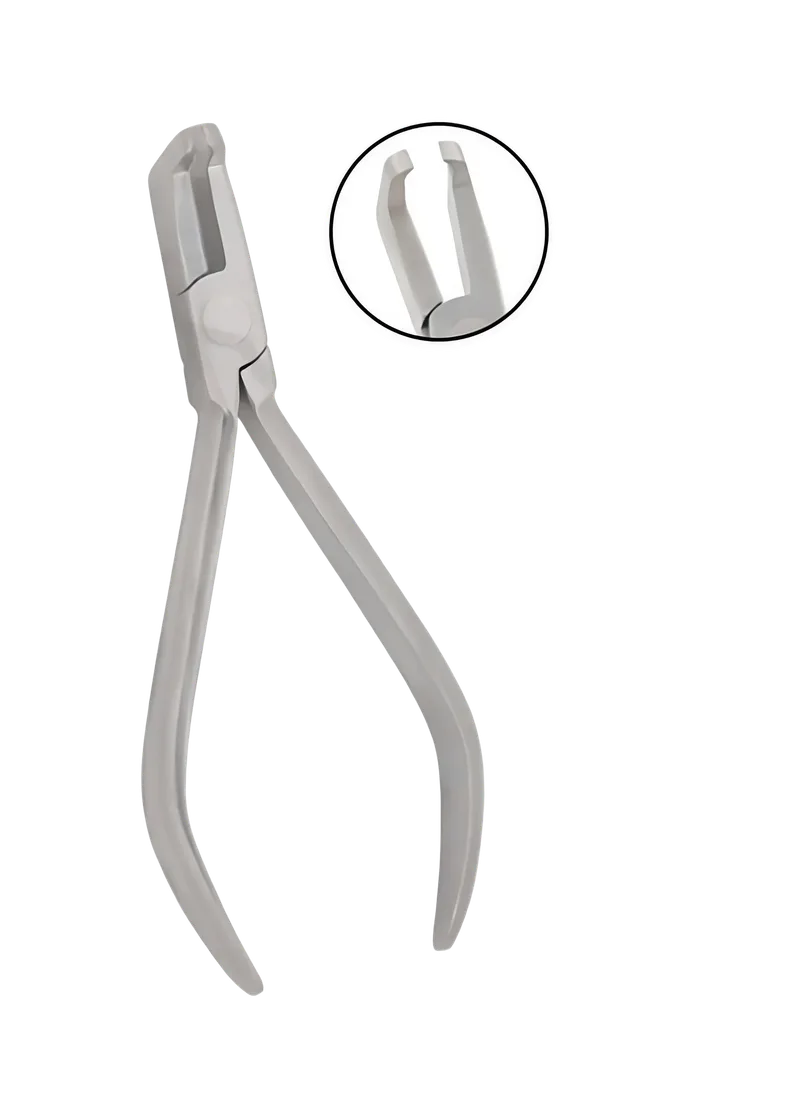
Bracket Removing Pliers 12.5 cm - Angled
EI-3180
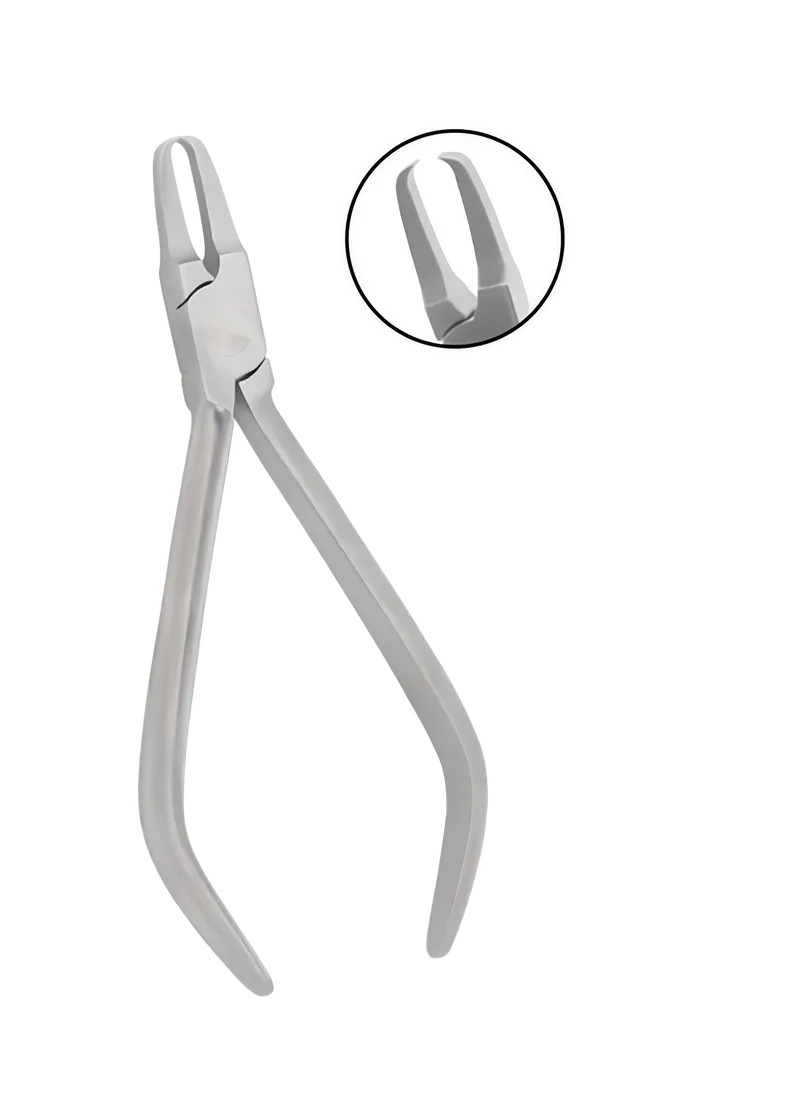
Bracket Removing Pliers 12.5 cm - Straight
EI-3181
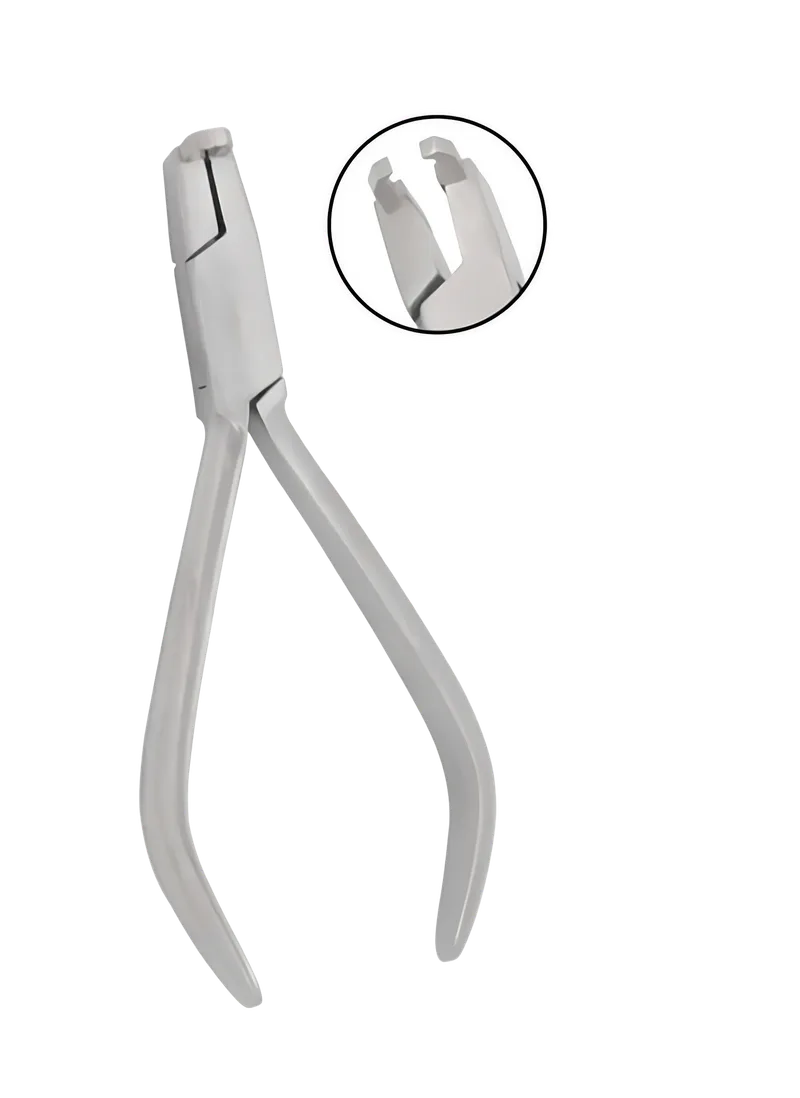
Bracket Removing Pliers - Angled T/C Tips 12.5 cm
EI-3183
Frequently asked questions
Can debonding damage enamel?
It can, but the risk is low when purpose-made debonding pliers are used correctly. Studies link enamel cracks mainly to very high bond strengths and to prying with unsuitable instruments.
How are ceramic brackets removed?
With a ceramic bracket remover or the method the bracket manufacturer recommends, applying controlled force so that the bond fails without fracturing the bracket on the tooth.
What removes the adhesive after debonding?
A tungsten carbide finishing bur at low speed, or an adhesive removing plier for bulk composite, followed by polishing.
Can I use a Weingart plier to remove brackets?
It is not recommended. General pliers apply force at the bracket base or the enamel interface, and studies associate them with more enamel and bracket damage than dedicated debonding pliers.
What is a direct bond remover?
A debonding plier with a sharp, usually carbide, tip that seats under the bracket base edge and a pad that rests on the incisal edge, peeling the bracket off in a controlled way.
References
- The use of debonding pliers in the removal of ceramic brackets: force levels and enamel cracks — American Journal of Orthodontics and Dentofacial Orthopedics, 1995
- The Effects of Composite Resin Types and Debonding Pliers on the Amount of Adhesive Remnants and Enamel Damages: A Stereomicroscopic Evaluation — PMC
- Differences of enamel surface after bracket debonding and adhesive removal with tungsten carbide, steel bur, and adhesive removing plier — PMC
- Epidemiological survey of different clinical techniques of orthodontic bracket debonding and enamel polishing — PMC
- In vitro comparison of peracetic acid and autoclave sterilization in the corrosion of orthodontic pliers: a pilot study — Dental Press Journal of Orthodontics
I am a…