Clear Aligner Pliers
Written & reviewed by the Equate Technical Team · Updated
Clear aligner pliers are specialised orthodontic pliers used to modify thermoformed aligners chairside. Cold pliers punch holes, create tear-drop, horizontal or vertical pressure points and dimples that add local force on a tooth; heated thermal pliers form bubbles, ramps and slots. They let clinicians fine-tune tracking without ordering a new aligner.
Why aligner pliers are used
Aligner treatment relies on each tray delivering the planned force. When a tooth lags behind, known as poor tracking, or when an elastic, button or cutout is needed, the clinician can modify the existing aligner rather than wait for a refinement. Aligner pliers create small indentations that press locally on the tooth, cut windows for buttons or elastics, or form features with heat.
As aligner treatment has grown in general dentistry and orthodontics, these pliers have become a common addition to aligner kits.
Types of aligner pliers
| Plier | What it creates | Typical use |
|---|---|---|
| Hole punch plier | Round hole (e.g. 6 mm) | Windows for buttons, attachments or elastic hooks |
| Tear drop plier | Tear-shaped pressure point | Rotation and tipping help |
| Horizontal rectangular plier | Horizontal ridge | Extrusion/intrusion support |
| Vertical rectangular plier | Vertical ridge | Torque and root movement assistance |
| Dimpling plier | Small dimple | Local contact on a lagging tooth |
| Thermal forming pliers (bubble, micro-ramp, circular, slot) | Heat-formed features | Fine features formed after heating the plier |
Using them
- Identify the exact contact point needed from the treatment plan or tracking check.
- Mark the aligner, then place the plier perpendicular to the aligner surface.
- For thermal pliers, heat to the manufacturer's recommended temperature and press briefly.
- Check the fit and comfort in the mouth; smooth any sharp edges.
- Record the modification in the patient's notes.
How to choose
Precision of the forming tips matters most: features must be consistent so the force is predictable. Stainless steel construction allows full autoclaving. Thermal pliers should hold heat evenly and have tips shaped for the features you use most. A starter set usually includes a hole punch, a tear drop plier and one rectangular plier; practices that use many aligners add thermal pliers.
Limitations
Aligner modifications support tracking, but they cannot replace proper staging and attachments. If a tooth persistently fails to track, refinement or an auxiliary may be needed. Over-aggressive pressure points can cause discomfort or crack the aligner.
The Equate difference
Equate offers 9 aligner plier references: a 6 mm hole punch, tear drop, horizontal and vertical rectangular and dimpling pliers, plus bubble, micro-ramp, circular and slot thermal forming pliers — at a typical list price about 52% below premium European RRPs.
Equate Clear Aligner Pliers options
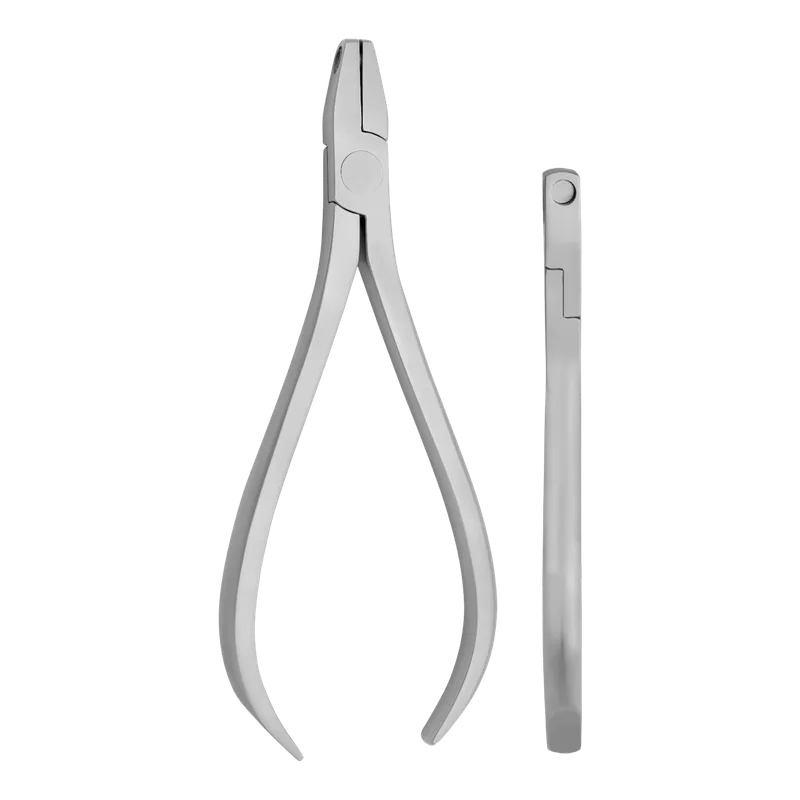
Clear Aligner Hole Punch Plier 6 mm
EI-2665
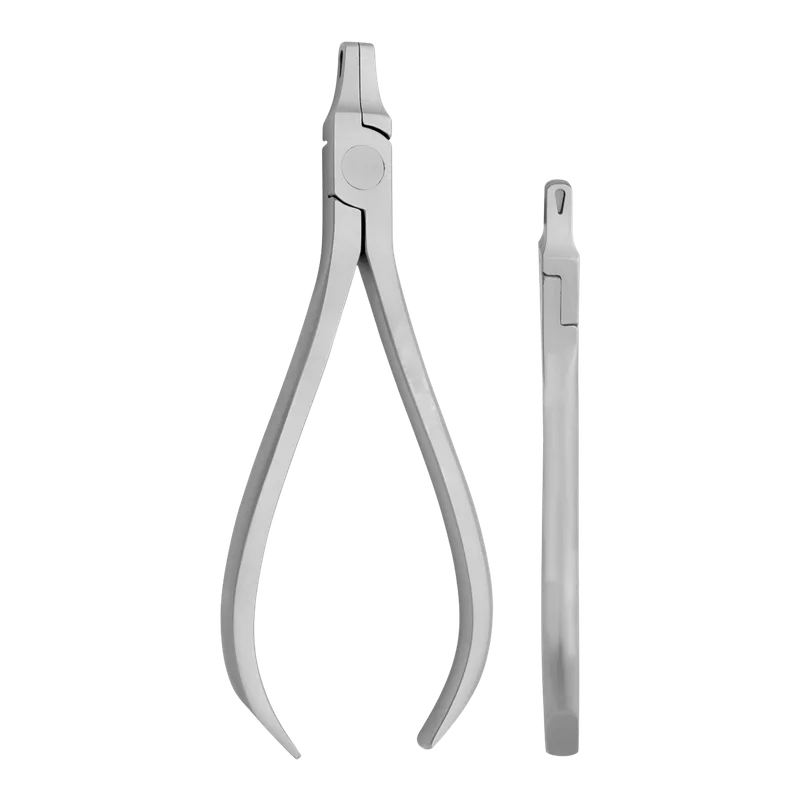
Clear Aligner Tear Drop Plier
EI-2666
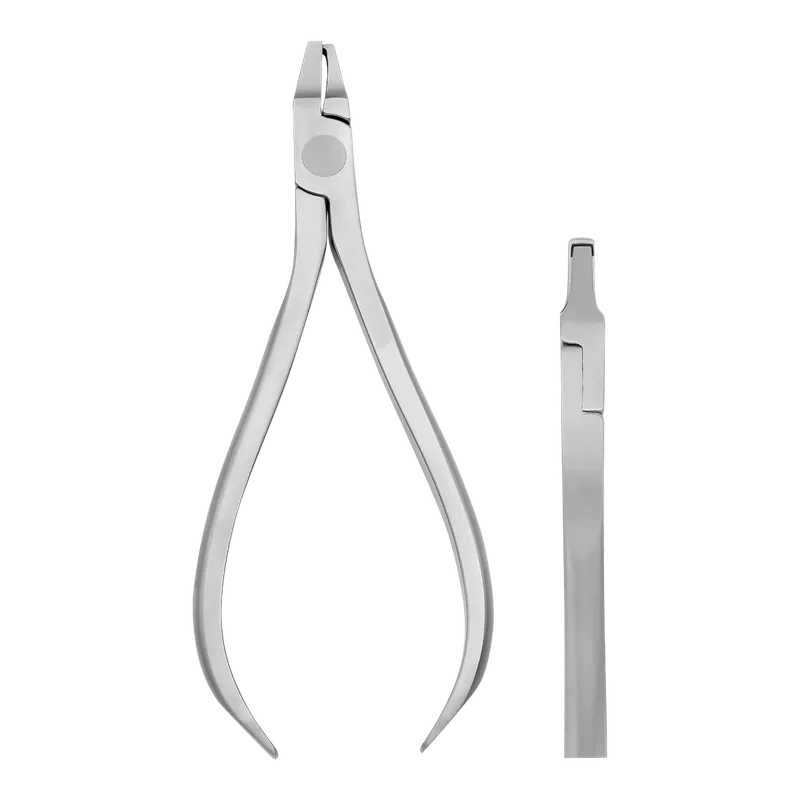
Clear Aligner Horizontal Rectangular Plier
EI-2667
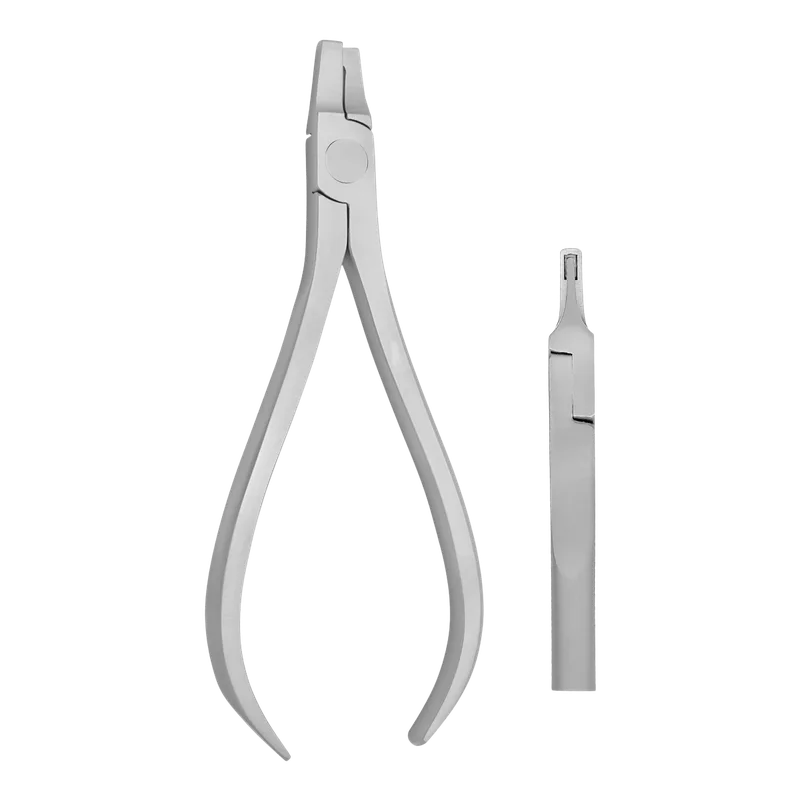
Clear Aligner Vertical Rectangular Plier
EI-2668
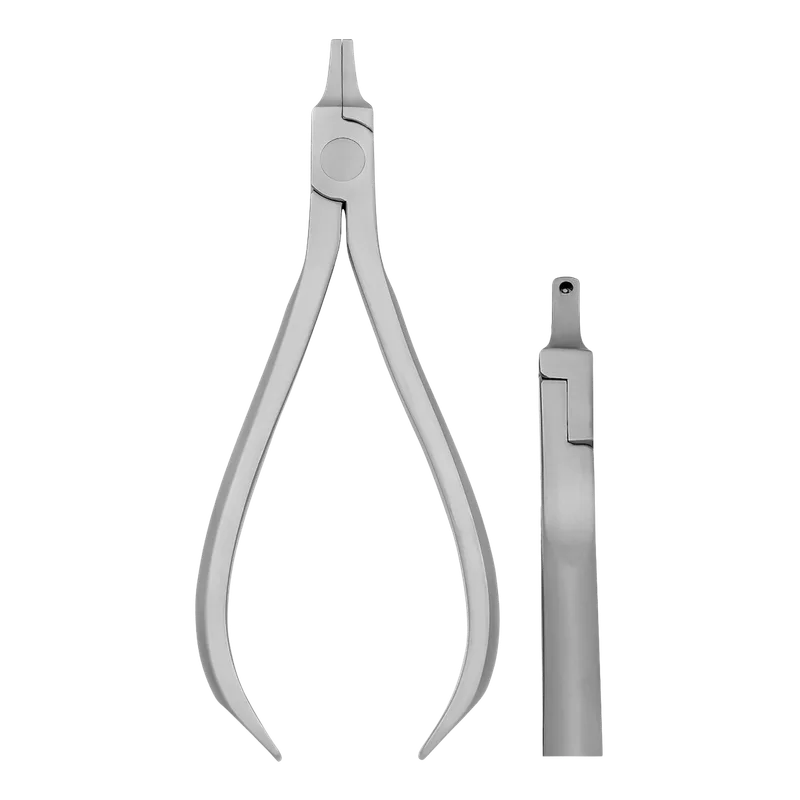
Clear Aligner Dimpling Plier
EI-2669
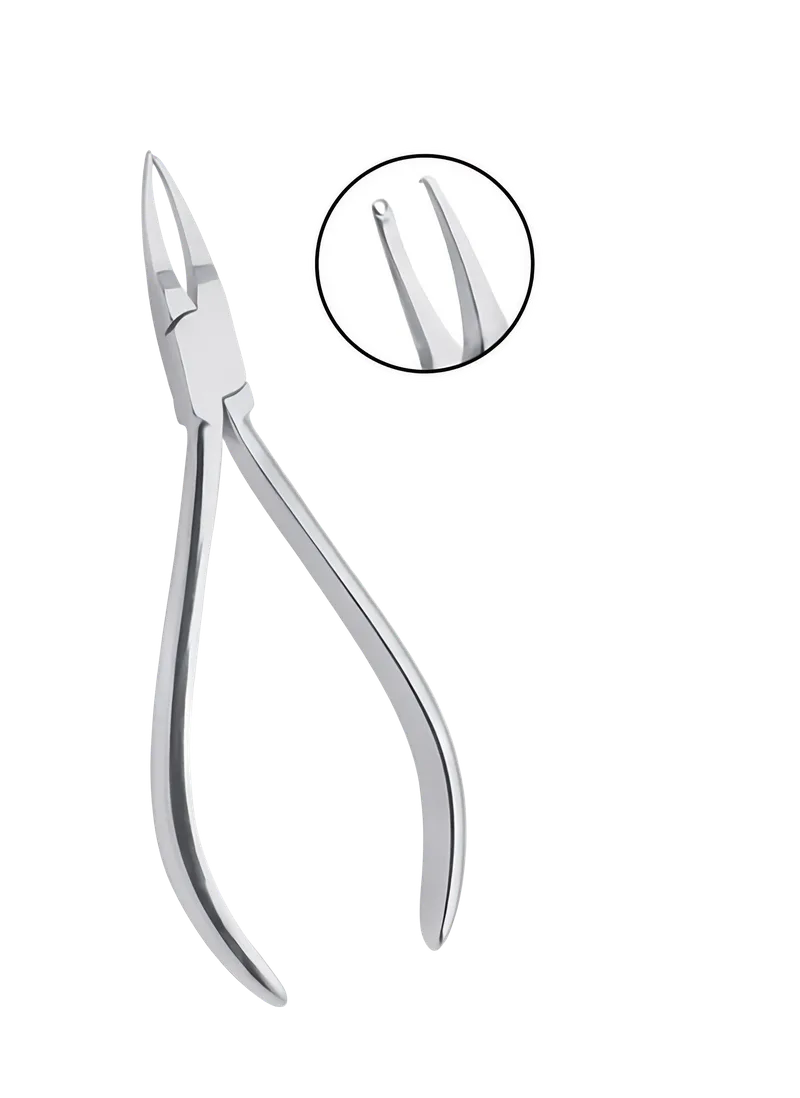
Bubble Thermal Forming Pliers
EI-3353
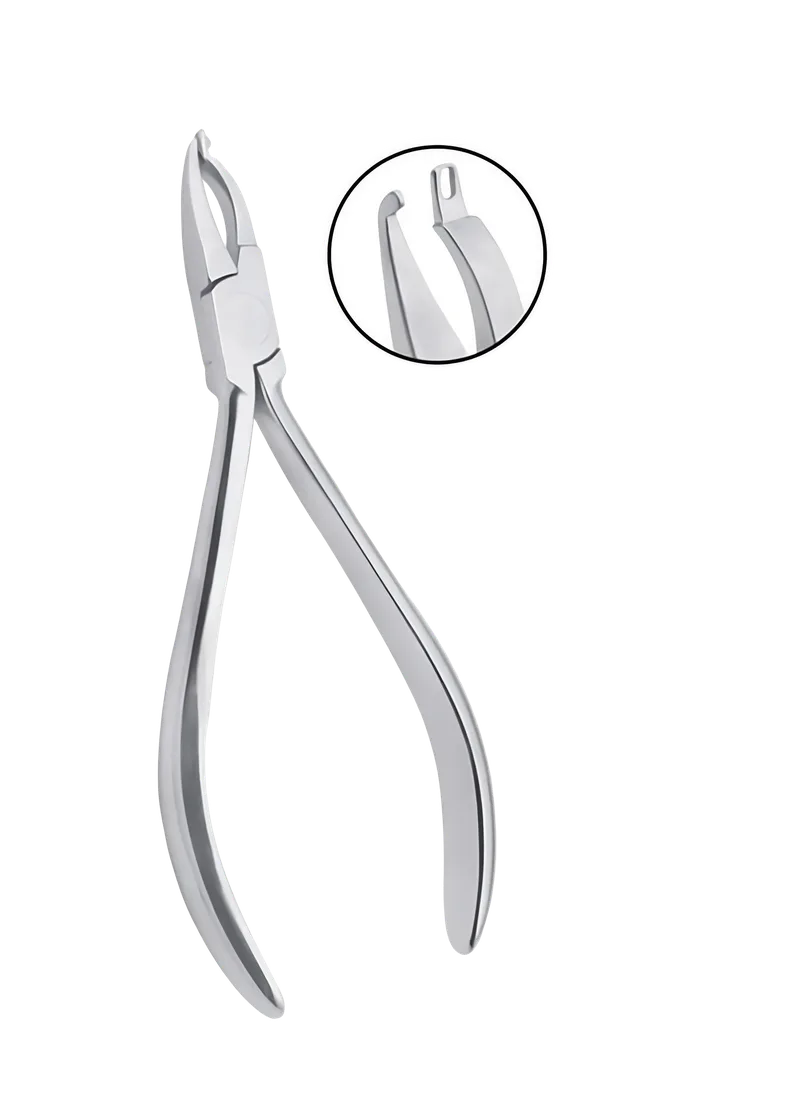
Micro-Ramp Thermal Pliers
EI-3354
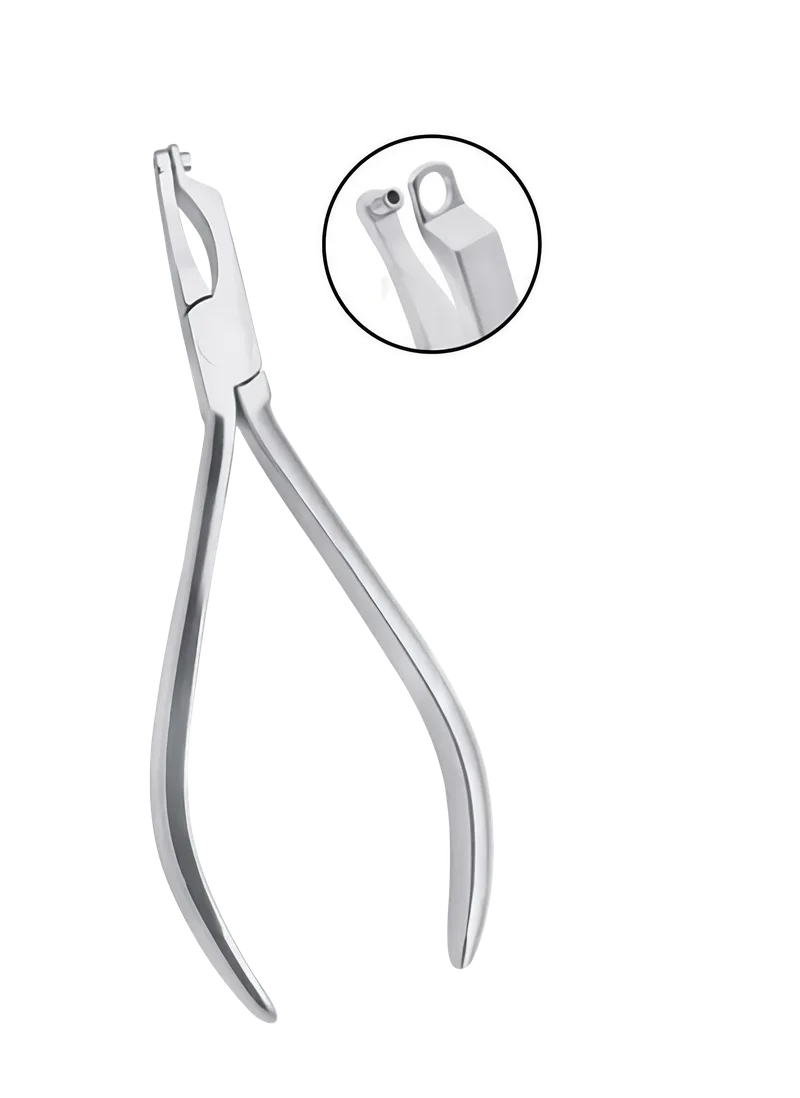
Circular Forming Thermal Pliers
EI-3355
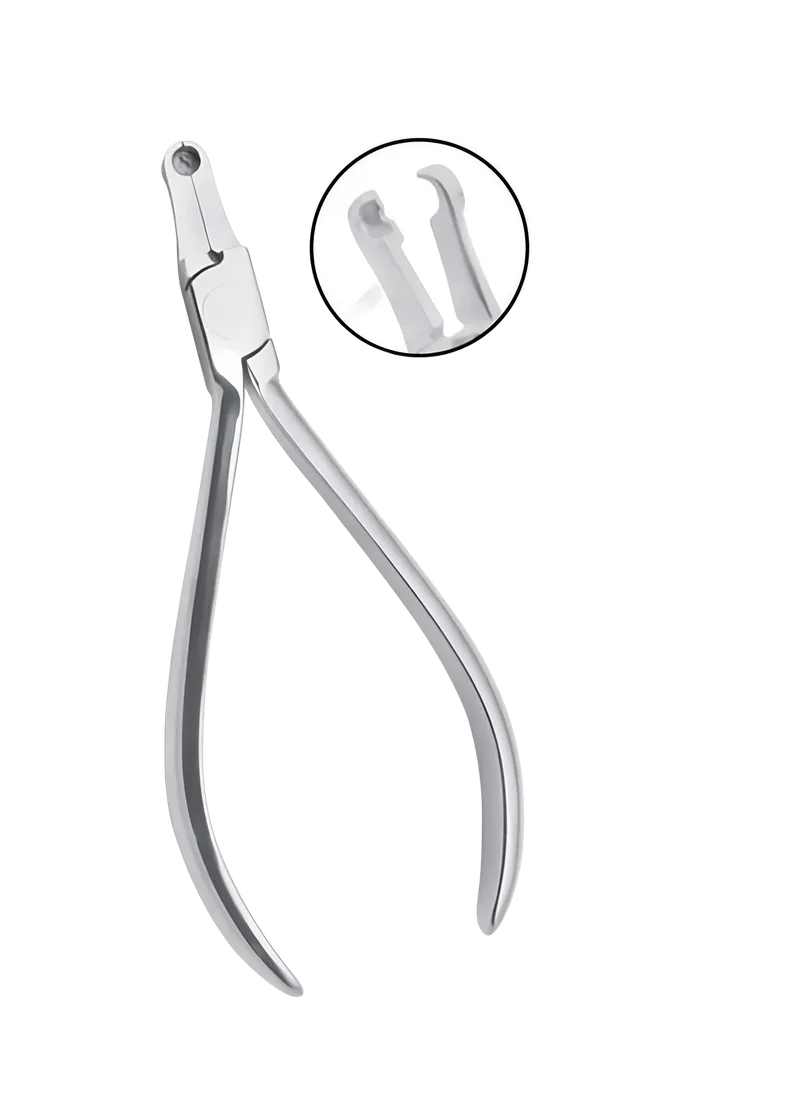
Slot Thermal Forming Plier
EI-3356
Frequently asked questions
What are clear aligner pliers used for?
Modifying thermoformed aligners chairside: punching holes, creating pressure points and ridges, and forming features with heat to improve tooth tracking or add elastics and buttons.
Do I need heated pliers?
Not to start. Cold pliers such as hole punch, tear drop and rectangular pliers cover most modifications. Thermal pliers add finer, heat-formed features.
Can aligner pliers be autoclaved?
Stainless steel aligner pliers can be autoclaved. Check that any heat-element pliers are designed for it, and follow the manufacturer's instructions.
Will modifying an aligner damage it?
Correct use should not, but excessive force or pressure points made too deep can crack the material or make the aligner uncomfortable.
Are these the same as Invisalign pliers?
They are generic aligner pliers that work with thermoformed aligners from most systems, including Invisalign-type aligners. Invisalign is a trademark of Align Technology.
References
- ISO 17664-1:2021 — Processing of health care products: information to be provided by the medical device manufacturer for processing
- ISO 13485:2016 — Medical devices: quality management systems for regulatory purposes
- Classification and uses of orthodontic pliers — Dentaltix clinical blog (supplier reference, used for terminology only)
I am a…