Elastic Separating Plier
Written & reviewed by the Equate Technical Team · Updated
An elastic separating plier is a spring-loaded orthodontic plier with fine angled tips that stretches an elastomeric separator ring so it can be slipped through a tight interproximal contact. The separator then opens a small space between teeth so a molar band can be fitted at the next visit.
Why separators are placed
Molar bands are thin metal, so they cannot pass through a tight contact. Elastomeric separators are placed first to create room. A 2008 study of 30 adults, indexed in PubMed, recorded the space created after 1, 4, 12 and 24 hours of elastomeric separation; after 12 and 24 hours every patient showed a space greater than 0.16 mm, and the authors suggested placing separators about a day before banding rather than the commonly used week. The sample was small and the study measured contact point change in adults with a single separator type, so the finding should not be generalised to heavily crowded arches. A 2026 paper from Pakistan reports that mild crowding often needs about 2 days while severe crowding may need up to 7, which shows protocols still vary.
How the plier works
The separator ring is loaded onto the beaks, the plier is squeezed to stretch it into an elongated oval, and the ring is passed down through the contact, one side below and one side above. Releasing the plier lets the ring settle into the embrasure. A spring keeps the handles open between rings so one hand can load and place repeatedly. Some patterns have a stop that limits closure and protects the ring from overstretch; Equate also lists a version without stop for clinicians who prefer full control.
Separating plier versus elastic placing forceps
| Feature | Elastic separating plier | Elastomeric ligature placing forceps (Mathieu style) |
|---|---|---|
| Primary job | Stretch separator rings between teeth | Stretch elastomeric ligatures (o-rings) over bracket wings |
| Handle action | Spring-loaded, handles open at rest | Ratchet lock holds tension on the ring |
| Tips | Fine angled tips | Fine pick-up groove on the beaks |
| Equate references | 5 (15 to 17.5 cm) | 2 (14 cm, with groove) |
Choosing an elastic separating plier
- Length: 15 to 15.5 cm is standard; the slim long 17.5 cm pattern helps with posterior access and keeps fingers out of the mouth.
- Stop or no stop: a stop protects the ring from overstretch; no-stop versions give full opening.
- Combination pliers: the Equate elastic separating and elastomer placing pliers handle both separators and module placement in one instrument.
- Tip condition: tips must hold the ring without cutting it. Nicked tips tear separators.
- Spring: should return the handles evenly without sticking.
Price position and care
Equate elastic separating pliers list at €64.90 (indicative, EUR ex-VAT), about 52% below the €134.80 median premium European RRP for orthodontic wire-forming pliers; this is the closest benchmark category we hold for them. All are stainless steel, passivated, ultrasonically cleaned, reusable and supplied non-sterile, individually packed. Rinse off saliva and elastomer residue, lubricate the spring joint, and autoclave in the open position.
The Equate difference
Equate lists 7 elastic plier references: 5 elastic separating pliers (15 to 17.5 cm, including a slim long 17.5 cm pattern and a version without stop) and 2 Mathieu-style elastomeric ligature placing forceps with groove, 14 cm.
Equate Elastic Separating Plier options
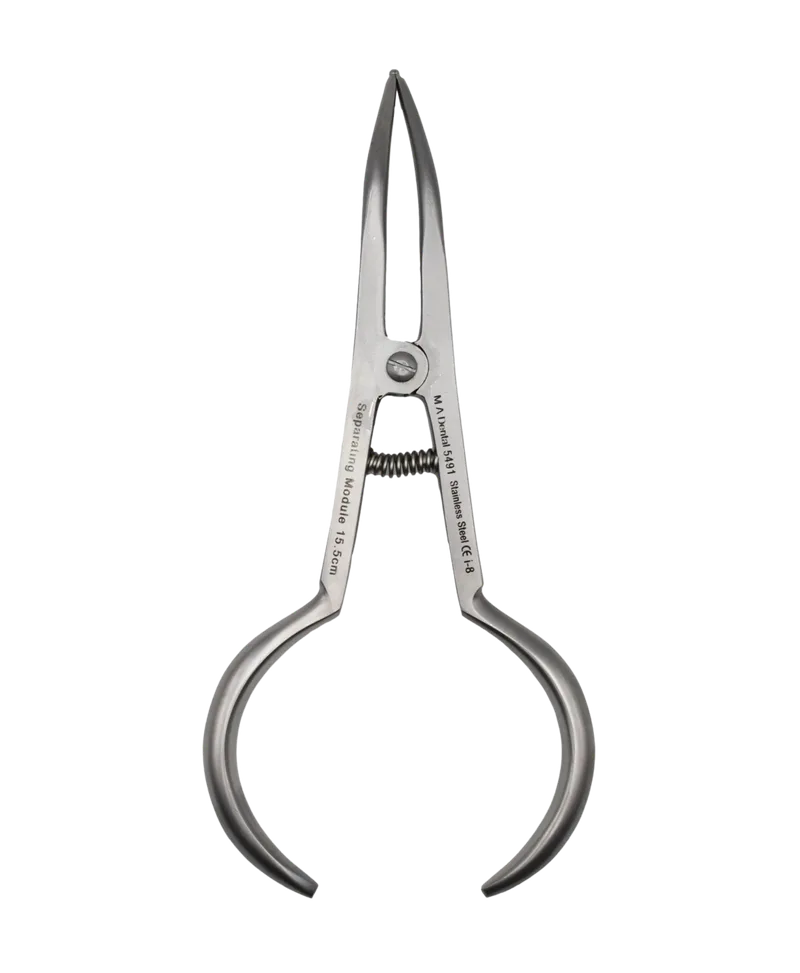
Elastic Separating and Elastomer Placing Pliers 15.5 cm
EI-0704
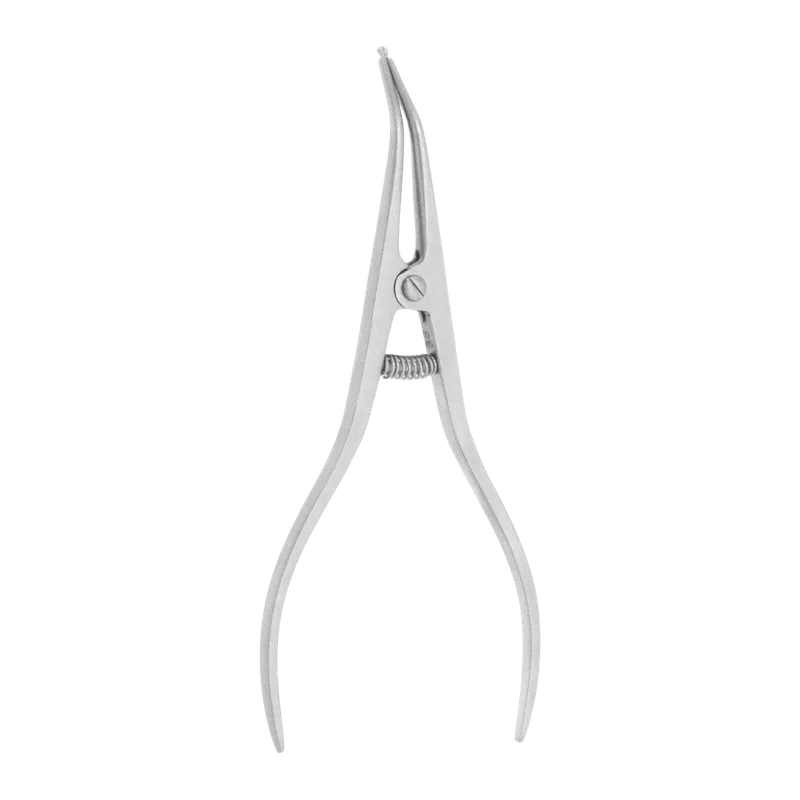
Orthodontic Separating Plier for Elastic Separators - 15 cm
EI-2377
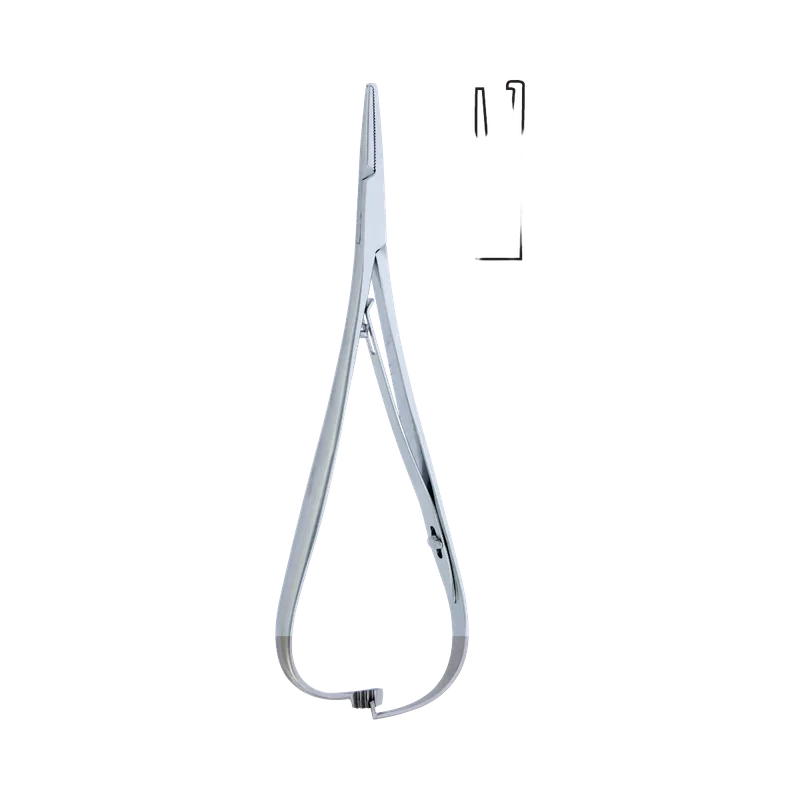
Elastomeric Ligature Placing Forceps with Groove, 14 cm
EI-2641
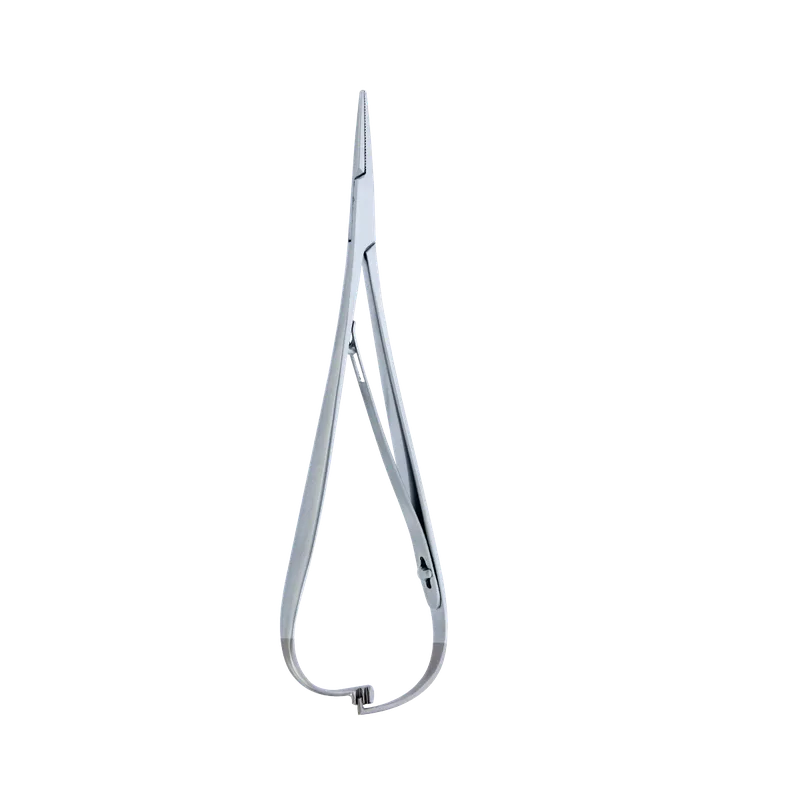
Elastomeric Ligature Placing Forceps with Groove, 14 cm
EI-2642
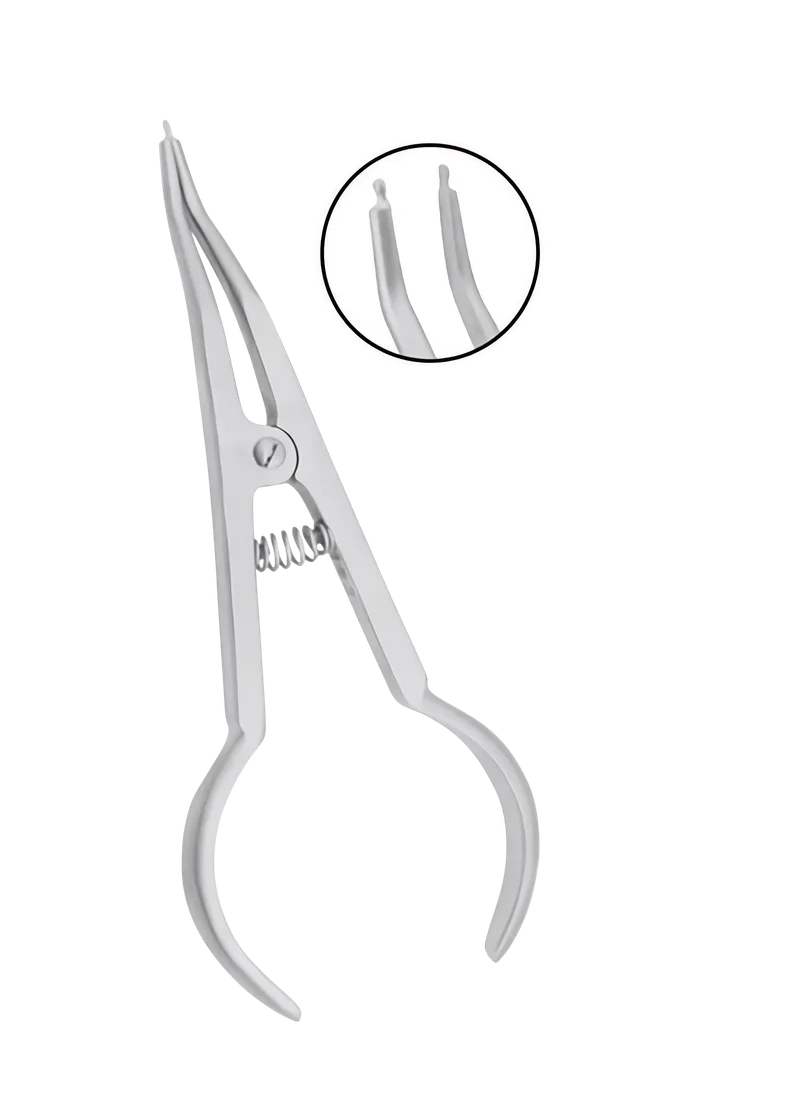
Elastic Separating Pliers 15.5 cm
EI-3283
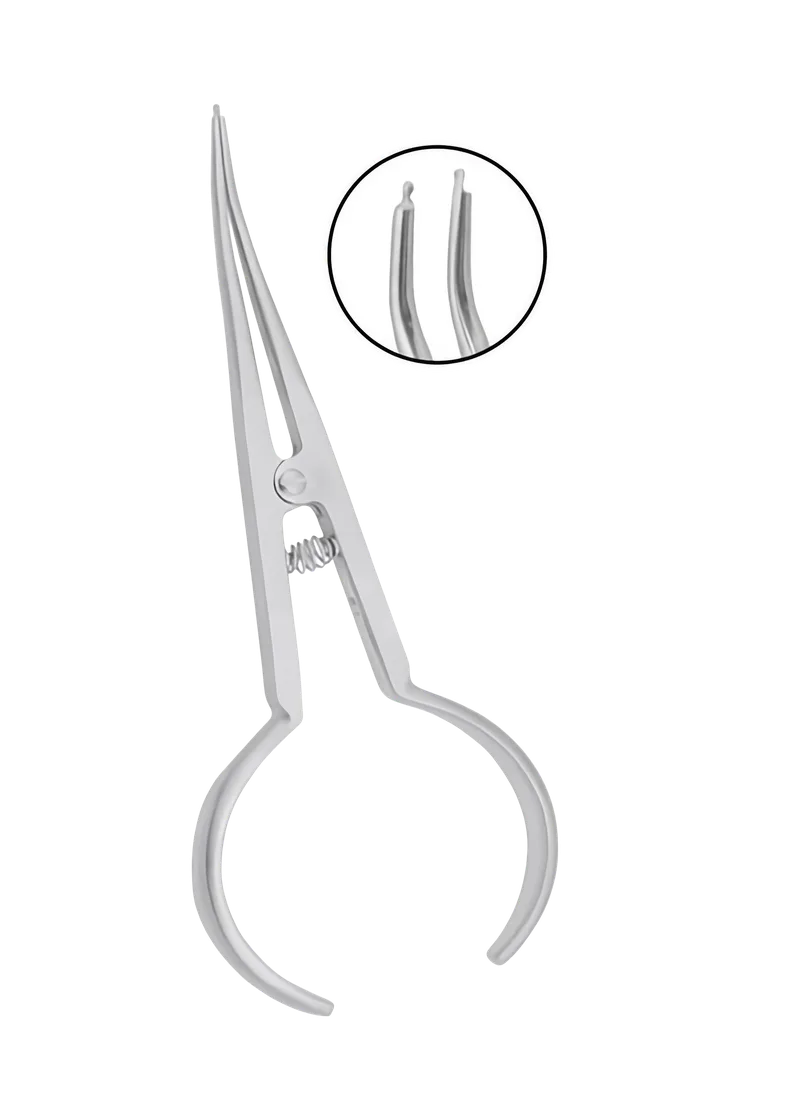
Elastic Separating Pliers Slim Long 17.5 cm
EI-3284
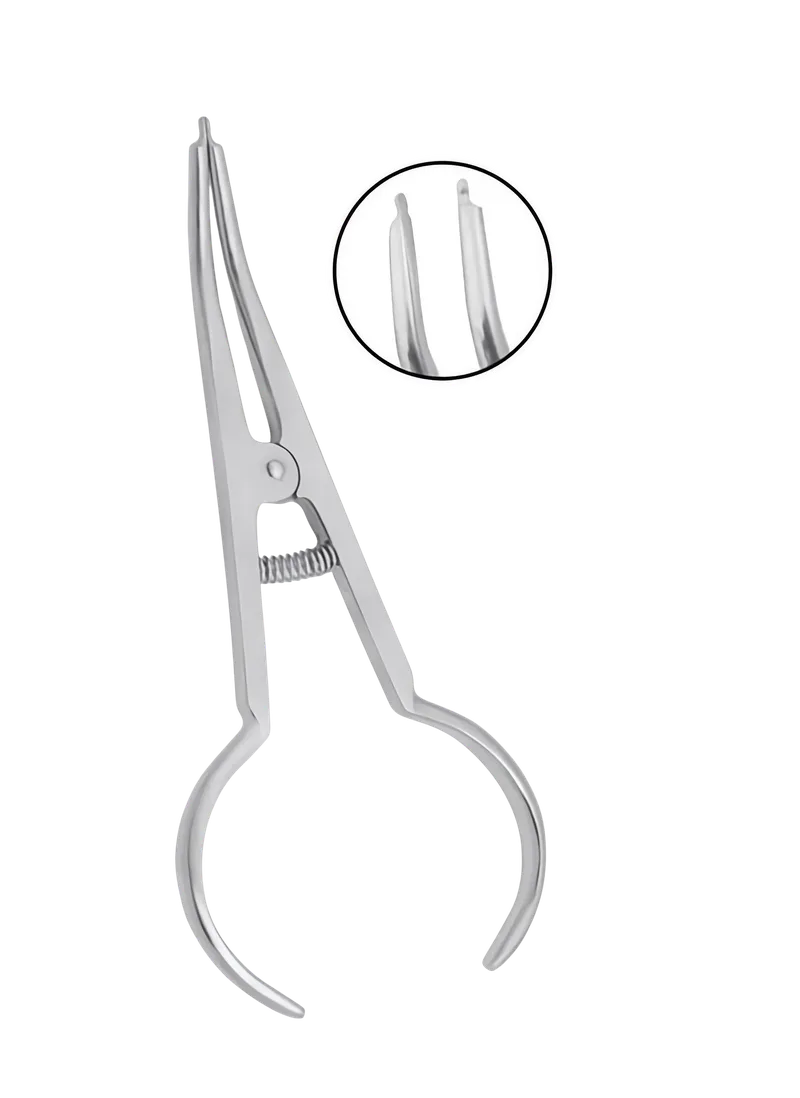
Elastic Separating Pliers without Stop 15 cm
EI-3286
Frequently asked questions
What is an elastic separating plier used for?
It stretches elastomeric separator rings so they can be placed between teeth to open the contact before orthodontic bands are fitted.
How long should separators stay in before banding?
Practice guides commonly say 3 to 7 days, but a 2008 PubMed-indexed study of 30 adults found 12 to 24 hours produced adequate space (over 0.16 mm) for most average contacts. Tight or crowded contacts may need longer; follow your own protocol.
Can I place separators without a plier?
Yes. Dental floss is used as an alternative, but a plier is faster and controls the stretch.
What is the difference between a separating plier and Mathieu forceps?
Separating pliers place separator rings between teeth. Mathieu-style forceps hold and stretch elastomeric ligatures over bracket wings, with a ratchet to hold tension.
Does the plier need a stop?
A stop limits how far the tips close and protects the ring. Some clinicians prefer no stop for control; Equate lists both.
What is the spring for?
It keeps the handles open between placements, so you can load and place rings one-handed in sequence.
References
- Duration of elastomeric separation and interproximal contact point characteristics, PubMed 18331942
- Assessment of separation impact and discomfort on various orthodontic separators, PMC clinical study
- Orthodontic Update review of separators uses and limitations
- ISO 13485:2016 medical devices quality management systems
I am a…