Dental Instruments In Lithuania
Written by the Equate Instruments Technical Team · Published ·
Dentists and distributors in Lithuania can buy Equate dental instruments directly from the manufacturer, through the Regional Executive for Baltics. In 2017, Lithuania had 2,839 dentists, or 10.0 per 10,000 people (WHO Oral Health Country Profile, National Health Workforce Accounts).
Key points
- Equate sells direct to Lithuania, with a named Regional Executive for Baltics.
Dentists in Lithuania at a glance
- Practising dentists: 2,669 (2014) to 3,385 (2024)
- +26.8% since 2014
- Practising dentists: 2,669 (2014) to 3,385 (2024)
- Eurostat (dataset hlth_rs_prs2, Health personnel), 2024
- In 2017, Lithuania had 2,839 dentists, or 10.0 per 10,000 people (WHO Oral Health Country Profile, National Health Workforce Accounts).
- 10
- In 2017, Lithuania had 2,839 dentists, or 10.0 per 10,000 people (WHO Oral Health Country Profile, National Health Workforce Accounts).
- World Health Organization, 2017
- Around 80% of dentists in Lithuania work in private practice, where charges are not reimbursed by the public scheme (European Commission).
- 80
- Around 80% of dentists in Lithuania work in private practice, where charges are not reimbursed by the public scheme (European Commission).
- European Commission, 2026
- The Lithuanian Dental Chamber brings together more than 8,000 members, including dentists, specialist dentists, dental hygienists, dental assistants and dental technicians (Lithuanian Dental Chamber).
- 8,000
- The Lithuanian Dental Chamber brings together more than 8,000 members, including dentists, specialist dentists, dental hygienists, dental assistants and dental technicians (Lithuanian Dental Chamber).
- Lithuanian Dental Chamber, 2026
- dental schools listed
- 2
- dental schools listed
- Equate research
- Untreated caries, age 5+37.3%
- Severe periodontal disease, 15+21.3%
- No natural teeth, 20+10.1%
The dark line marks the median of Equate's 22 markets. Source: WHO Oral Health Country Profiles 2022 (2019 estimates).
How many dentists are there in Lithuania?
The number of practising dentists in Lithuania rose 26.8%, from 2,669 in 2014 to 3,385 in 2024 (Eurostat (dataset hlth_rs_prs2, Health personnel)).
Around 80% of dentists in Lithuania work in private practice, where charges are not reimbursed by the public scheme (European Commission).
The Lithuanian Dental Chamber brings together more than 8,000 members, including dentists, specialist dentists, dental hygienists, dental assistants and dental technicians (Lithuanian Dental Chamber).
See how Lithuania compares with Equate's other markets in dentists per 10,000 people across 21 countries.
What is the state of oral health in Lithuania?
In 2019, an estimated 37.3% of people aged 5 and over in Lithuania had untreated caries of permanent teeth (WHO Oral Health Country Profile).
In 2019, an estimated 48.0% of children aged 1 to 9 in Lithuania had untreated caries of deciduous teeth (WHO Oral Health Country Profile).
In 2019, an estimated 21.3% of people aged 15 and over in Lithuania had severe periodontal disease (WHO Oral Health Country Profile).
In 2019, an estimated 10.1% of people aged 20 and over in Lithuania had lost all their natural teeth (WHO Oral Health Country Profile).
In 2020, the age-standardised incidence of lip and oral cavity cancer in Lithuania was 3.6 per 100,000 people (WHO Oral Health Country Profile).
How are dental instruments regulated in Lithuania?
With effect from 26 May 2021, Regulation (EU) 2017/745 on medical devices replaced Council Directives 90/385/EEC and 93/42/EEC across the EU, including Lithuania (European Commission).
In Lithuania, dental practice licences are issued by the Lithuanian Dental Chamber for an indefinite term, based on the dentist's professional qualification (Lithuanian Dental Chamber).
Lithuanian dental licence holders must notify the Lithuanian Dental Chamber every five years about their mandatory professional development and dental practice (Lithuanian Dental Chamber).
Most-searched Equate instruments for Lithuania
All products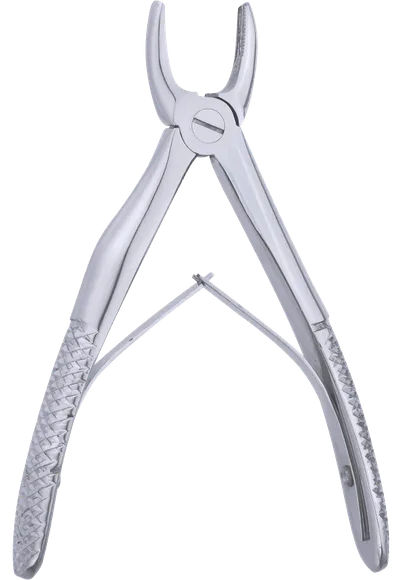
extraction forceps
Children's Extraction Forceps - Upper Incisors 10cm (Fig. 137)
EI-0609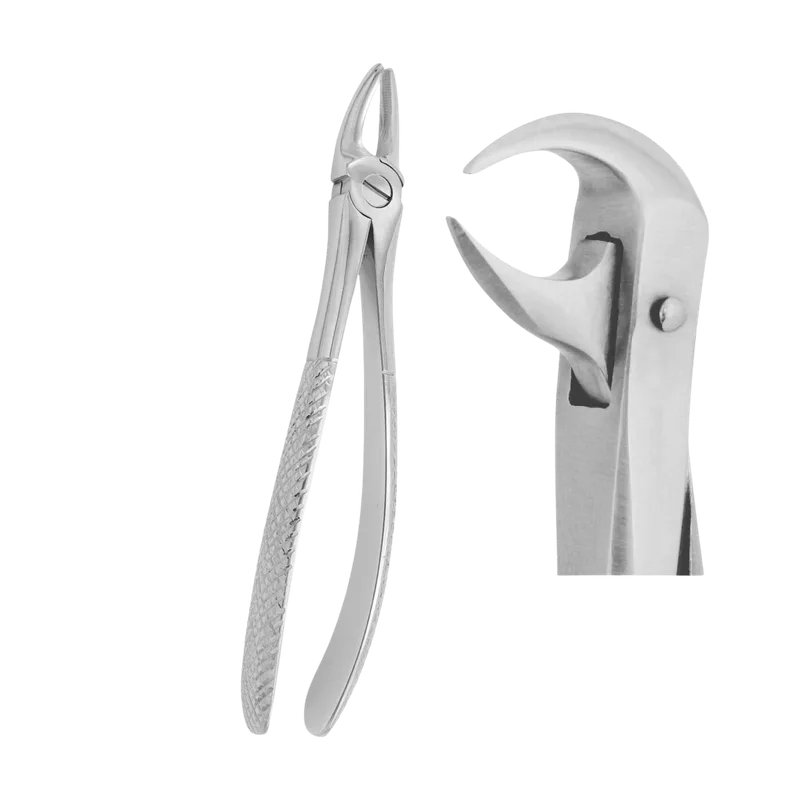
extraction forceps
Extracting Forceps Fig.86 Lower Molars Cow-Horn Beak
EI-0651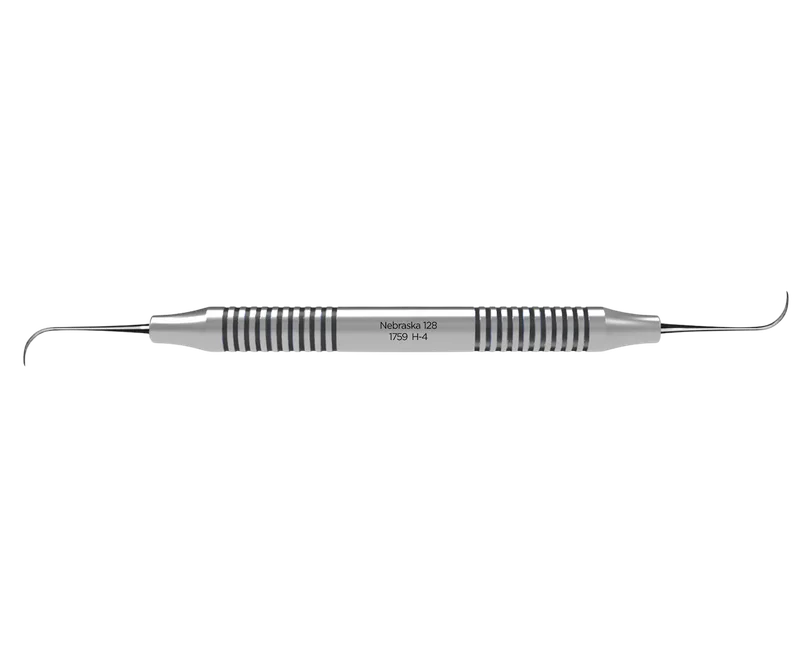
hand scalers
Nebraska 128 Anterior Sickle Scaler
EI-0254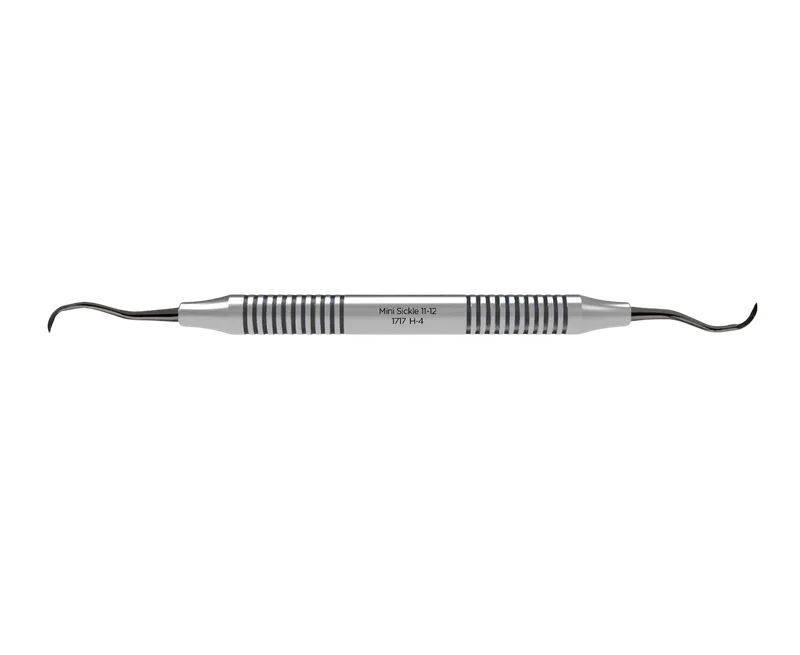
hand scalers
Mini Sickle Scaler 11/12
EI-0248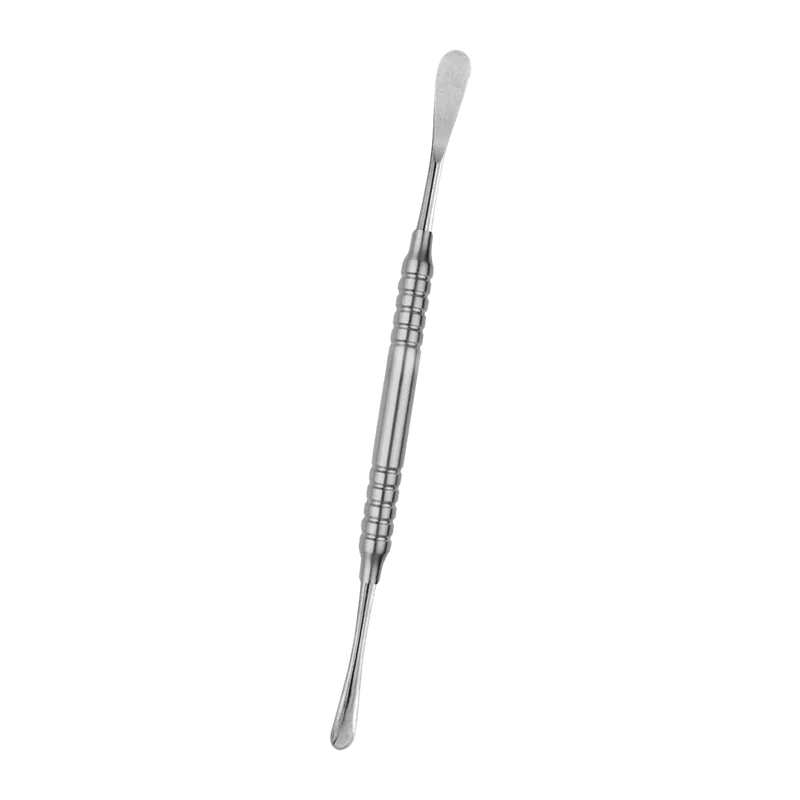
dental elevators and luxators
Periosteal Molt 7/5mm 18.5cm Hollow Handle 10mm
EI-0140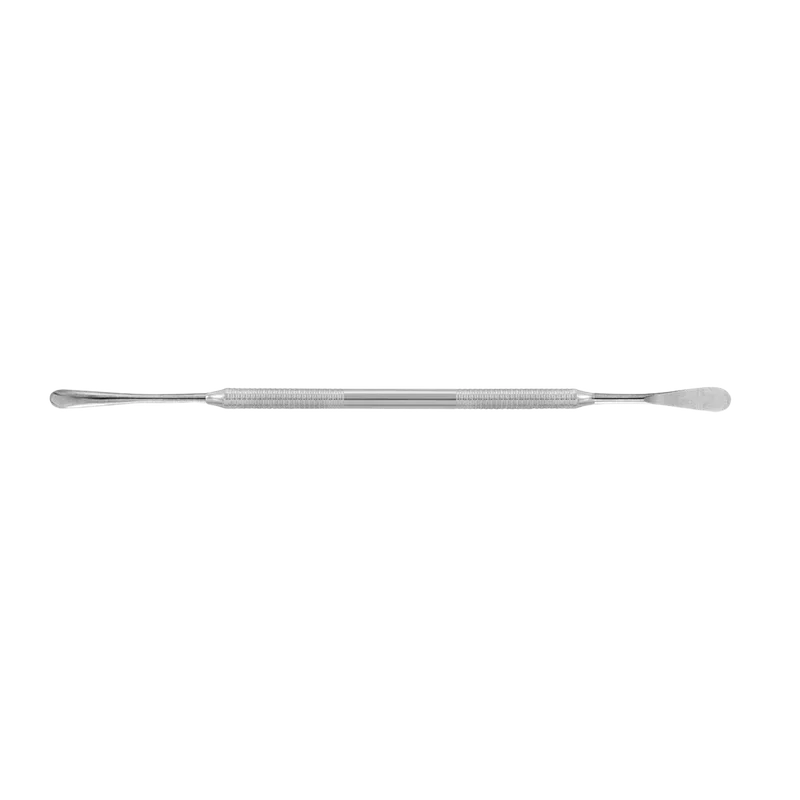
dental elevators and luxators
Molt Periosteal Elevator, 7mm/5mm Ends, Solid Handle
EI-0214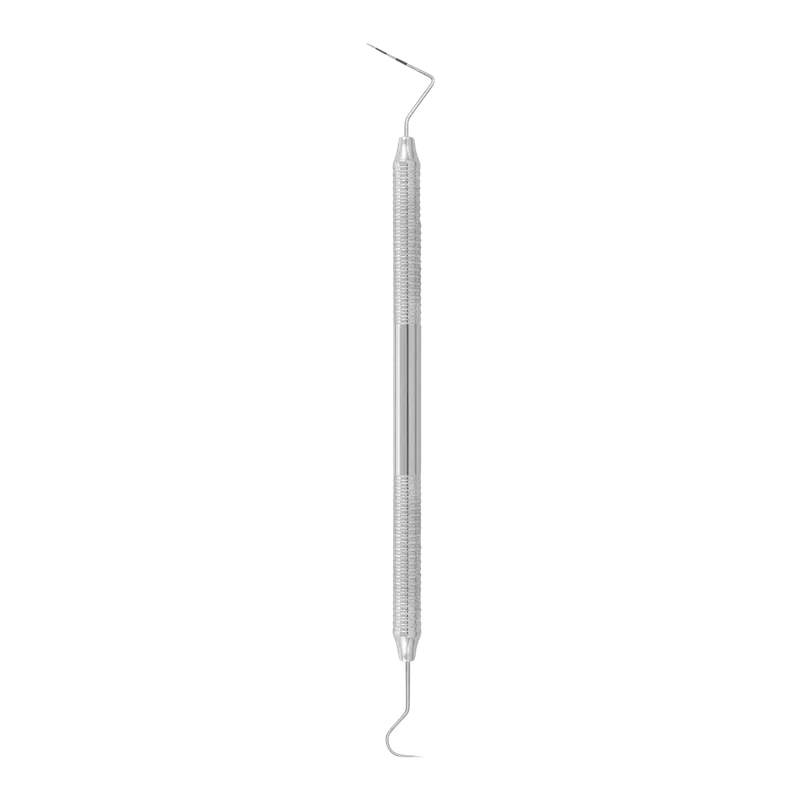
periodontal probes
Periodontal Probe CP12/#23 - Solid Knurled Handle
EI-0081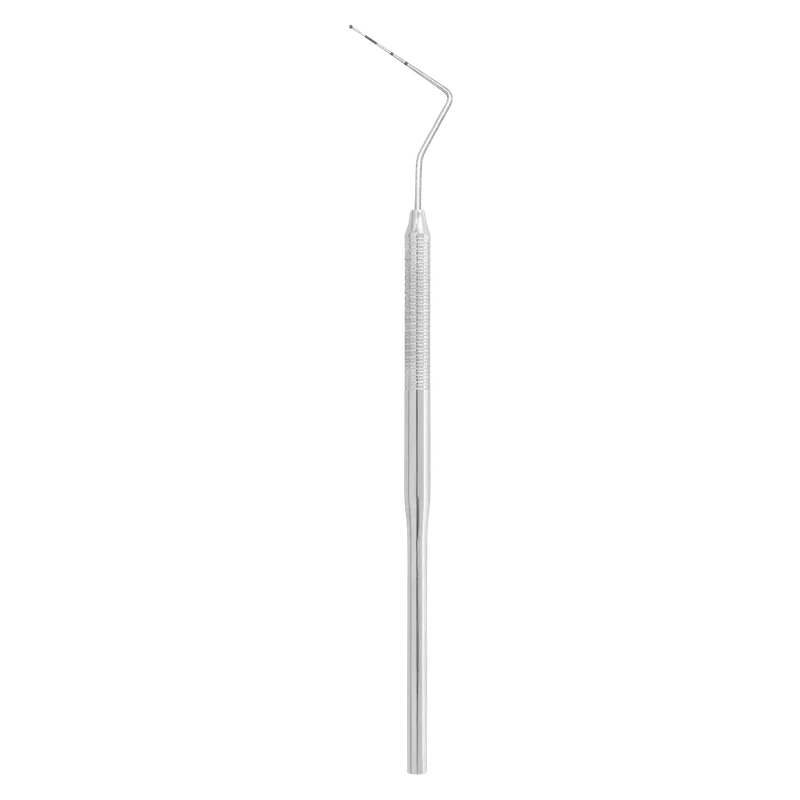
periodontal probes
WHO CPI Periodontal Probe with Ball Tip - 6 mm Solid Handle
EI-0183
What are the rules for cleaning and sterilising dental instruments in Lithuania?
Lithuania's hygiene norm HN 47-1:2020 sets infection control requirements for personal health care institutions, as listed in the ECDC guidance directory (ECDC).
Where can you study dentistry in Lithuania?
Dental degrees in Lithuania are taught at 2 schools, based in Vilnius and Kaunas.
In Lithuania, the integrated odontology programmes at Vilnius University and the Lithuanian University of Health Sciences each last five years (300 ECTS) (Vilnius University; LSMU).
| School | City | Founded | Degree |
|---|---|---|---|
| Vilnius University, Faculty of Medicine (Dentistry) | Vilnius | Dental doctor in Odontology and Master in Health Sciences | |
| Lithuanian University of Health Sciences, Faculty of Odontology | Kaunas | MSc in Health Sciences, Doctor Odontologist |
What are the milestones in Lithuania's dental history?
- The Lithuanian Dental Chamber was entered in the Register of Legal Entities on 1 July 2004 and describes itself as Lithuania's first professional self-government of medical professionals (Lithuanian Dental Chamber).
Which organisations represent dentists in Lithuania?
- Lithuanian Dental Chamber (Lietuvos Respublikos Odontologų Rūmai) (regulator)
What do dentists in Lithuania search for?
Search data for Lithuania alone isn't published; these are the instrument searches across the English-language markets Equate tracks (Europe and North America), in Google Keyword Planner bands, October 2025 to September 2026.
| Instrument | Searches a month (band) | Most searched term |
|---|---|---|
| Dental Extraction Forceps | 50,350 | dental forceps |
| Dental Scalers (Hand Scalers) | 43,200 | dental scaler |
| Dental Elevators and Luxators | 40,550 | dental elevator |
| Periodontal Probes | 35,600 | dental perio probe |
| Restorative Dental Hand Instruments | 24,000 | acorn burnisher |
| Dental and Oral Surgery Retractors | 20,900 | cheek retractors |
How are teeth numbered in Lithuania?
Dentists in Lithuania use the FDI two-digit system set out in ISO 3950, where 11 is the upper right central incisor and 48 the lower right third molar.
What do national dental surveys show in Lithuania?
- WHO Oral Health Country Profile (World Health Organization, 2022): In 2019, an estimated 37.3% of people aged 5 and over in Lithuania had untreated caries of permanent teeth (WHO Oral Health Country Profile).
How is dental care organised and paid for in Lithuania?
In Lithuania, patients using public dental care are charged for materials used, such as fillings (European Commission).
In 2019, per capita expenditure on dental healthcare in Lithuania was an estimated US$71 (WHO Oral Health Country Profile).
In 2021, WHO recorded that Lithuania had a national oral health policy, strategy or action plan in operation or in drafting (WHO Oral Health Country Profile).
Which dental instruments does Equate supply to Lithuania?
Equate's instrument guides for Lithuania cover dental curettes, dental elevators and luxators, dental explorers, extraction forceps, mouth mirrors, surgical retractors, hand scalers, periodontal probes, restorative hand instruments, spoon excavators and tooth extraction instruments.
Why do dental practices in Lithuania work with Equate?
- Buyers in Lithuania deal with the manufacturer itself, choosing from 3,375 instrument references.
- Each reference is passivated stainless steel, ultrasonically cleaned, shape-, boil- and performance-tested and individually packed, whatever the pattern.
- A named Regional Executive for Baltics handles quotes, samples and volume pricing for private clinics and university dental clinics in Lithuania.
- Samples are available, so a clinic in Lithuania can test an instrument before ordering in volume.
Equate data
Lithuania in Equate's market data
Lithuania ranks 1 of 22 in the Equate Dental Market Index 2026, with a score of 96.3 out of 100. See the full index
“Up to the age of seven, oral hygiene is exclusively the parents' responsibility.”
“I hope that children's dentistry will move from restorative treatment to prevention.”
Your Regional Executive · Baltics
Hassan Nazir
Regional Executive, Helsinki, Finland
Frequently asked questions
Where can you study dentistry in Lithuania?
Dentistry is taught at Vilnius University and at the Lithuanian University of Health Sciences in Kaunas. Both integrated programmes last five years (300 ECTS).
How many dentists are there in Lithuania?
WHO data show Lithuania had 2,839 dentists in 2017, or 10.0 per 10,000 people. The European Commission notes that around 80% of dentists work in private practice.
Is dental care free in Lithuania?
Patients using public dental care are charged for materials such as fillings, according to the European Commission. Charges at private practices, where around 80% of dentists work, are not reimbursed.
Does Lithuania have a national oral health policy?
Yes. In 2021, WHO recorded that Lithuania had a national oral health policy, strategy or action plan in operation or in drafting.
How common is tooth decay in Lithuania?
WHO estimated that 37.3% of people aged 5 and over in Lithuania had untreated caries of permanent teeth in 2019, and 48.0% of children aged 1 to 9 had untreated caries of deciduous teeth.
References
I am a… in Lithuania