Dental Instruments In Denmark
Written by the Equate Instruments Technical Team · Published ·
Equate Instruments supplies dental hand instruments directly to clinics, dental groups and distributors in Denmark, with a Regional Executive for Nordics & Scandinavia. In 2016, Denmark had 4,247 dentists, or 7.4 per 10,000 people (WHO Oral Health Country Profile, National Health Workforce Accounts).
Key points
- Medical devices in Denmark are overseen by Danish Medicines Agency (Lægemiddelstyrelsen).
- Equate sells direct to Denmark, with a named Regional Executive for Nordics & Scandinavia.
Dentists in Denmark at a glance
- Practising dentists: 4,346 (2014) to 4,817 (2024)
- +10.8% since 2014
- Practising dentists: 4,346 (2014) to 4,817 (2024)
- Eurostat (dataset hlth_rs_prs2, Health personnel), 2024
- In 2016, Denmark had 4,247 dentists, or 7.4 per 10,000 people (WHO Oral Health Country Profile, National Health Workforce Accounts).
- 7.4
- In 2016, Denmark had 4,247 dentists, or 7.4 per 10,000 people (WHO Oral Health Country Profile, National Health Workforce Accounts).
- World Health Organization, 2016
- dental schools listed
- 2
- dental schools listed
- Equate research
- Untreated caries, age 5+24.6%
- Severe periodontal disease, 15+33.5%
- No natural teeth, 20+10.6%
The dark line marks the median of Equate's 22 markets. Source: WHO Oral Health Country Profiles 2022 (2019 estimates).
How many dentists are there in Denmark?
The number of practising dentists in Denmark rose 10.8%, from 4,346 in 2014 to 4,817 in 2024 (Eurostat (dataset hlth_rs_prs2, Health personnel)).
See how Denmark compares with Equate's other markets in dentists per 10,000 people across 21 countries.
What is the state of oral health in Denmark?
In 2019, an estimated 24.6% of people aged 5 and over in Denmark had untreated caries of permanent teeth (WHO Oral Health Country Profile).
In 2019, an estimated 20.3% of children aged 1 to 9 in Denmark had untreated caries of deciduous teeth (WHO Oral Health Country Profile).
In 2019, an estimated 33.5% of people aged 15 and over in Denmark had severe periodontal disease (WHO Oral Health Country Profile).
In 2019, an estimated 10.6% of people aged 20 and over in Denmark had lost all their natural teeth (WHO Oral Health Country Profile).
In 2020, the age-standardised incidence of lip and oral cavity cancer in Denmark was 3.6 per 100,000 people (WHO Oral Health Country Profile).
What do national dental surveys show in Denmark?
- WHO Oral Health Country Profile (World Health Organization, 2022): In 2019, an estimated 24.6% of people aged 5 and over in Denmark had untreated caries of permanent teeth (WHO Oral Health Country Profile).
- Central Odontological Register (SCOR) (Sundhedsstyrelsen, 2017): Denmark's Central Odontological Register (SCOR) recorded children's dental health from 1972, and from 1993 covered children aged 5, 7, 12 and 15 (Danish National Archives).
Most-searched Equate instruments for Denmark
All products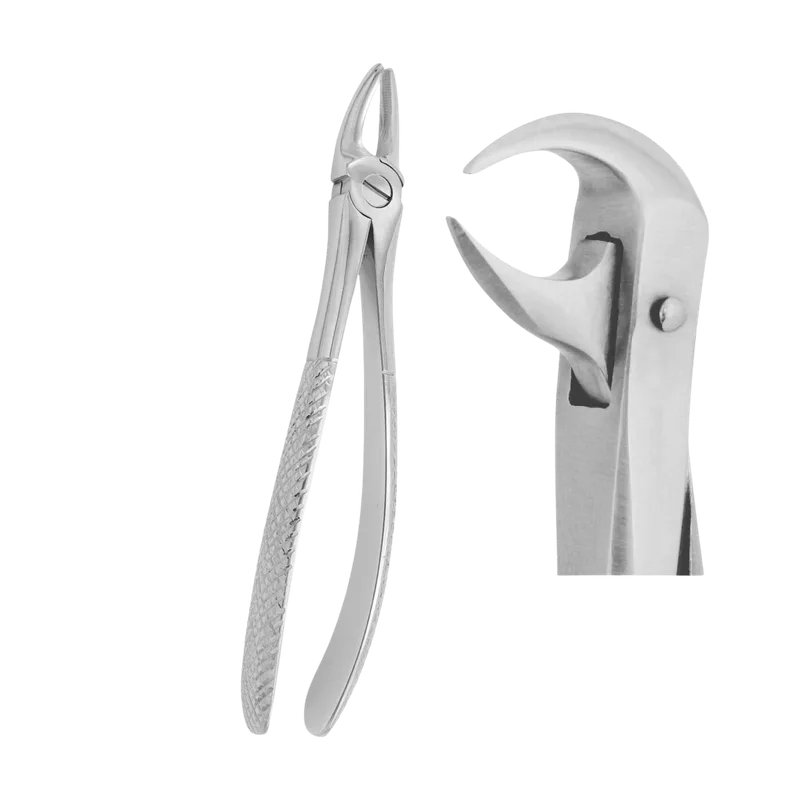
extraction forceps
Extracting Forceps Fig.86 Lower Molars Cow-Horn Beak
EI-0651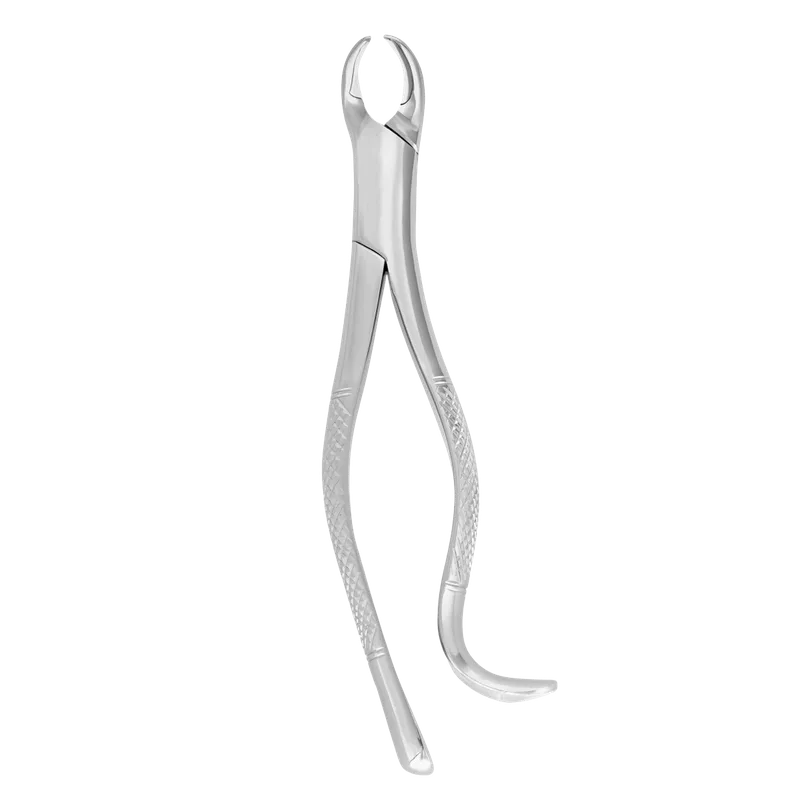
extraction forceps
Extracting Forceps American Pattern Fig.16 - Lower Molars Cow-Horn Beak
EI-1412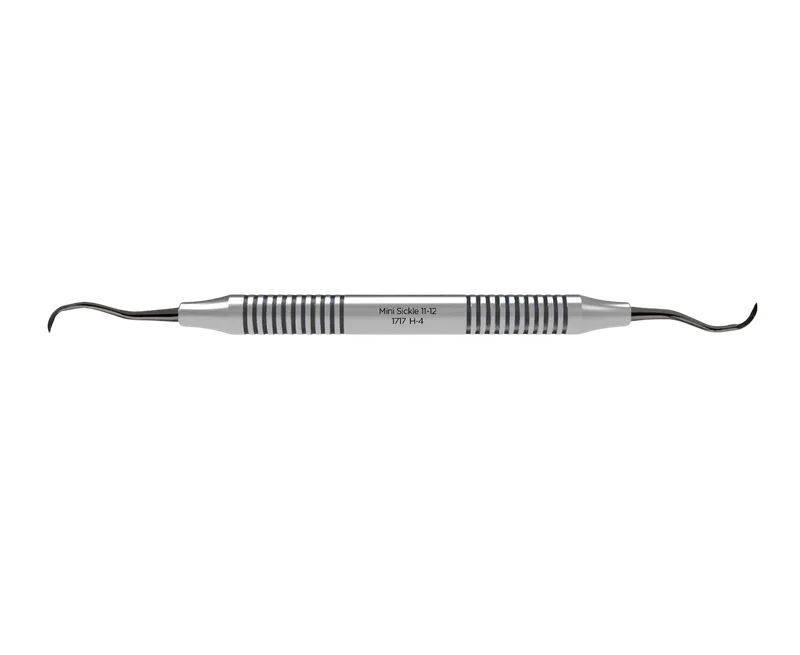
hand scalers
Mini Sickle Scaler 11/12
EI-0248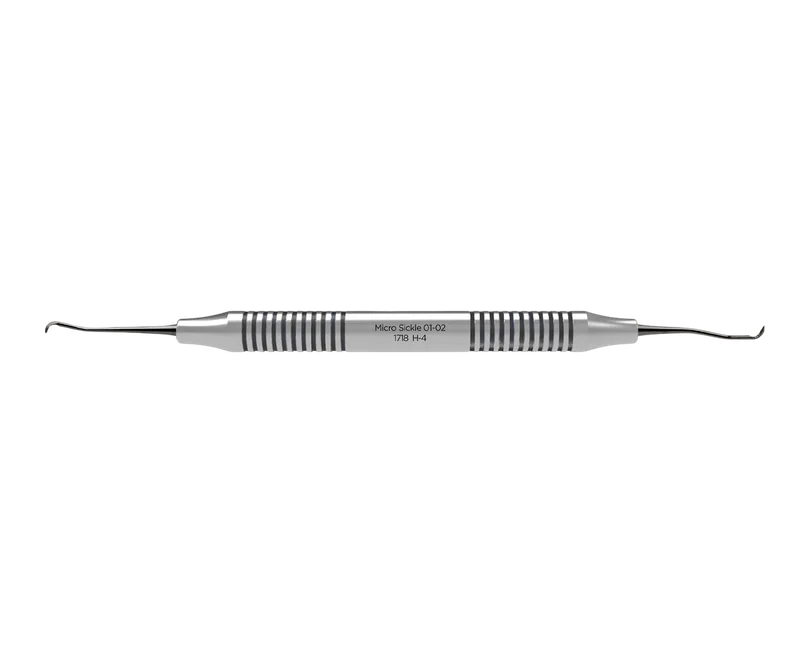
hand scalers
Micro Sickle Scaler 01/02
EI-0249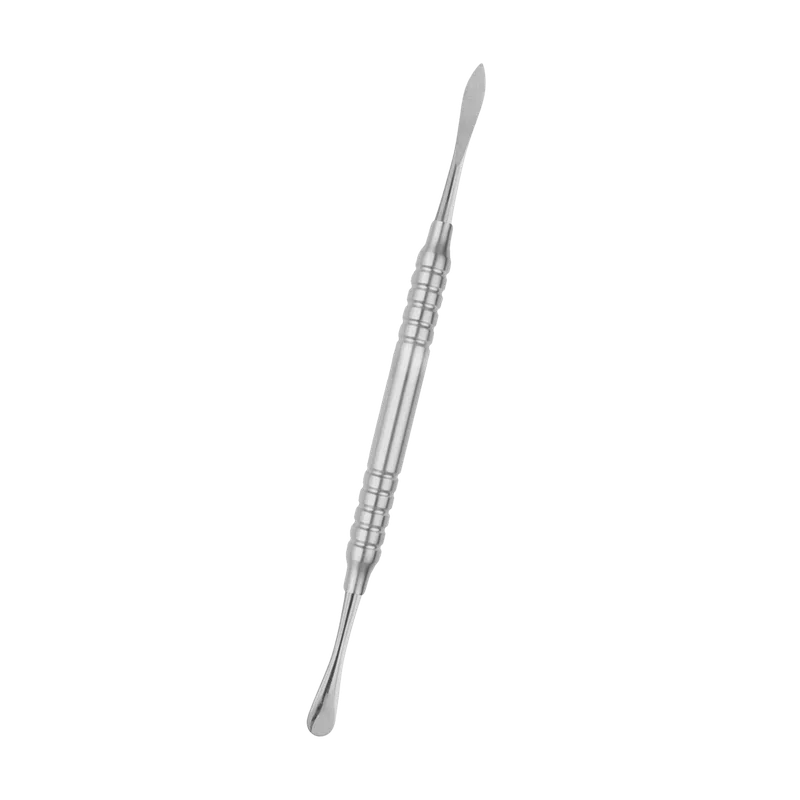
dental elevators and luxators
Molt 9 Periosteal Elevator, 4mm/7mm Ends, Hollow Handle
EI-0066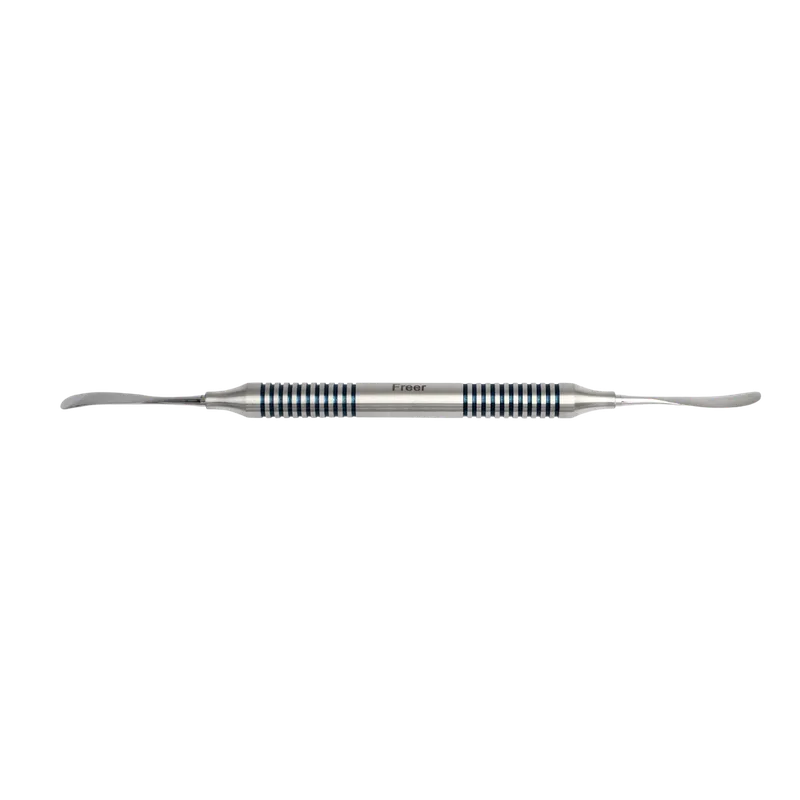
dental elevators and luxators
Freer Double-Ended Periosteal Elevator - Titanium Coated
EI-0069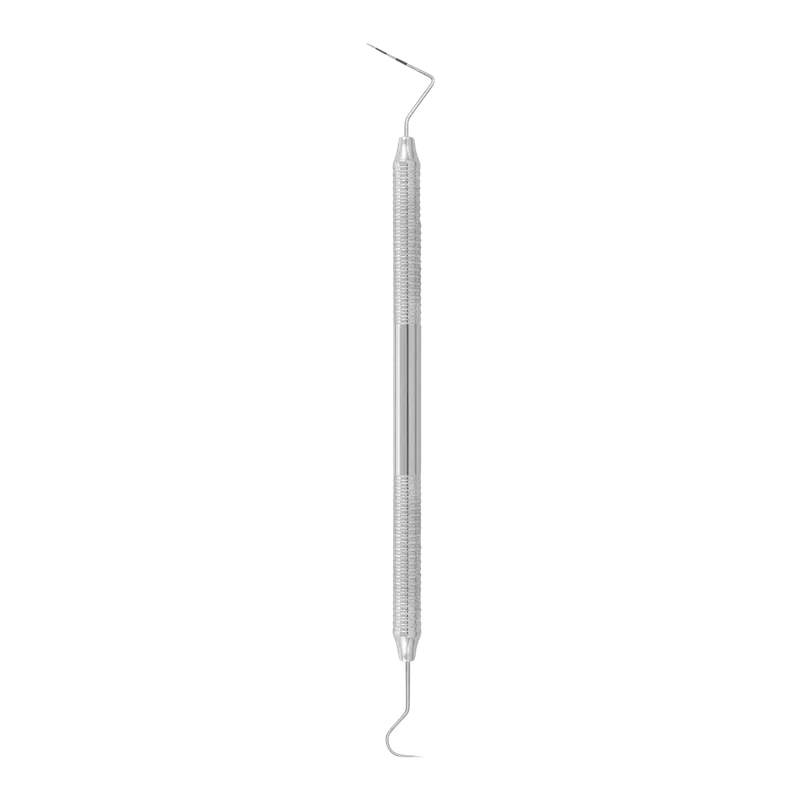
periodontal probes
Periodontal Probe CP12/#23 - Solid Knurled Handle
EI-0081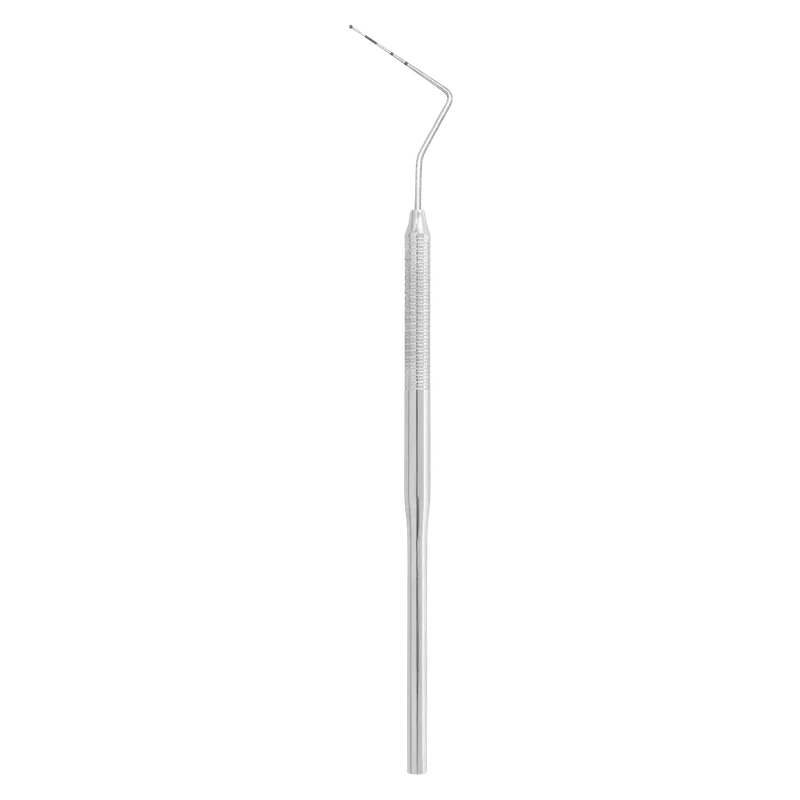
periodontal probes
WHO CPI Periodontal Probe with Ball Tip - 6 mm Solid Handle
EI-0183
How is dental care organised and paid for in Denmark?
In Denmark, children born in 2004 or later receive free municipal dental care until they turn 22 (Aarhus Municipality).
In 2019, per capita expenditure on dental healthcare in Denmark was an estimated US$322 (WHO Oral Health Country Profile).
In Denmark, regional subsidies for adults aged 21 and over generally cover 15% to 65% of the dentist's fee across 15 separate subsidy schemes (European Observatory on Health Systems and Policies).
In December 2025, a broad Danish parliamentary agreement proposed an age-differentiated 'dental account' of about DKK 450 to 850 a year for every citizen aged 21 or older (European Observatory on Health Systems and Policies).
How are dental instruments regulated in Denmark?
In Denmark, the Danish Medicines Agency oversees notified bodies for medical devices and reviews incident reports (Danish Medicines Agency).
The Danish Medicines Agency states that the EU regulation on medical devices took effect on 26 May 2021 and that Denmark supplements the directly applicable EU rules with national executive orders (Danish Medicines Agency).
With effect from 26 May 2021, Regulation (EU) 2017/745 on medical devices replaced Council Directives 90/385/EEC and 93/42/EEC across the EU, including Denmark (European Commission).
The authority responsible for medical devices in Denmark is Danish Medicines Agency (Lægemiddelstyrelsen).
What are the rules for cleaning and sterilising dental instruments in Denmark?
Denmark's National Infection Hygiene Guidelines for dental clinics (NIR Tandklinikker), 2nd edition 2019, are published by the Central Unit for Infection Hygiene at Statens Serum Institut (SSI).
Denmark's NIR for dental clinics covers cleaning, disinfection and sterilisation, including packaging, sterilisation methods, control of sterilisation and storage of instruments, as well as dental unit water quality (Statens Serum Institut).
Where can you study dentistry in Denmark?
Denmark has 2 dental schools listed here, in Copenhagen and Aarhus.
In Denmark, dentists at Aarhus University complete a three-year bachelor's and a two-year master's in odontology, then work for one year before applying to the Danish Health Authority to practise independently (Aarhus University).
| School | City | Founded | Degree |
|---|---|---|---|
| University of Copenhagen, Department of Odontology | Copenhagen | MSc in Dentistry | |
| Aarhus University, Department of Dentistry and Oral Health | Aarhus | Kandidat i Odontologi (MSc) |
What are the milestones in Denmark's dental history?
- Denmark's Children's Dental Care Act took effect in 1972, introducing systematic child dental care and municipal reporting to the national SCOR register (Danish National Archives).
Which organisations represent dentists in Denmark?
- Danish Dental Association (Tandlægeforeningen) (association)
- Danish Medicines Agency (regulator)
What do dentists in Denmark search for?
Search data for Denmark alone isn't published; these are the instrument searches across the English-language markets Equate tracks (Europe and North America), in Google Keyword Planner bands, October 2025 to September 2026.
| Instrument | Searches a month (band) | Most searched term |
|---|---|---|
| Dental Extraction Forceps | 50,350 | dental forceps |
| Dental Scalers (Hand Scalers) | 43,200 | dental scaler |
| Dental Elevators and Luxators | 40,550 | dental elevator |
| Periodontal Probes | 35,600 | dental perio probe |
| Restorative Dental Hand Instruments | 24,000 | acorn burnisher |
| Dental and Oral Surgery Retractors | 20,900 | cheek retractors |
How are teeth numbered in Denmark?
Dentists in Denmark use the FDI two-digit system set out in ISO 3950, where 11 is the upper right central incisor and 48 the lower right third molar.
Which dental instruments does Equate supply to Denmark?
Equate's instrument guides for Denmark cover dental curettes, dental elevators and luxators, dental explorers, extraction forceps, mouth mirrors, surgical retractors, hand scalers, periodontal probes, restorative hand instruments, spoon excavators and tooth extraction instruments.
City guides: Aarhus and Copenhagen.
Why do dental practices in Denmark work with Equate?
- Direct from the manufacturer: practices in Denmark order 3,375 instrument references without a distributor mark-up in between.
- The same build standard applies to each piece: passivated stainless steel, ultrasonically cleaned, shape-, boil- and performance-tested and individually packed.
- A named Regional Executive for Nordics & Scandinavia handles quotes, samples and volume pricing for public dental services and private clinics and university clinics in Denmark.
- Clinics in Denmark can request samples and a quote before committing to a full order.
Social listening
What dental professionals and students across Nordics & Scandinavia discuss online
Public trust in instrument sterilisation
CriticalIn Finnish and Swedish public forums, people ask how they can tell whether a clinic's instruments are really clean. Regulator cases where rusty or badly sterilised instruments were found, or an autoclave ran too cool, are discussed with alarm. Some posters say inspections catch these problems.
- Hammaslääkärin työkalut· Suomi24, 2005
- Tandläkarklinik använde rostiga verktyg.· Flashback Forum, 2019
- Hammaslääkäri menetti lupansa, kuka?· Suomi24, 2010
Who reprocesses instruments, and with what training
MixedIn private practice, dental assistants usually run the washer-disinfector and autoclave and oil the handpieces as part of their wider job. Some posters argue that this staff gets only a few weeks of reprocessing training. They also claim that single-use items are sometimes reprocessed to save money, and other posters dispute this.
- Hammashoitaja· Suomi24, 2007
- Välinehuoltajilla EI ammattinimikesuojaa!· Suomi24, 2016
Workload and practice pressure
CriticalAssistants describe tightly packed schedules, with constant restocking and fetching of instruments and little time for breaks. Dentists contrast public care, which is more stressful and lower paid, with owner-run private practice, which brings more control and higher earnings.
- Hammashoitajan työ on syvältä· Suomi24, 2022
- Tandläkare svarar på frågor om yrket· Flashback Forum, 2019
Equate's summary of public threads on Flashback Forum, Suomi24, read 2026-10-27. No posters are named and brand names are left out; thread links are listed in the page's data file.
Equate data
Denmark in Equate's market data
Denmark ranks 6 of 22 in the Equate Dental Market Index 2026, with a score of 80.8 out of 100. See the full index
“It is as if politicians think that Danes' dental health just looks after itself.”
“the public subsidy towards the dentist's bill is now right down to 15 per cent.”
Your Regional Executive · Nordics & Scandinavia
Hassan Nazir
Regional Executive, Helsinki, Finland
Frequently asked questions
Until what age is dental care free in Denmark?
Children born in 2004 or later receive free municipal dental care until they turn 22. The service is run by the municipalities.
Where can you study dentistry in Denmark?
Dentistry is taught at the University of Copenhagen and Aarhus University. At Aarhus it is a three-year bachelor's followed by a two-year master's.
When can a new dentist practise independently in Denmark?
According to Aarhus University, graduates must work for one year as a dentist in private or municipal clinics. They can then apply to the Danish Health Authority for permission to practise independently.
How many dentists are there in Denmark?
WHO data show Denmark had 4,247 dentists in 2016, or 7.4 per 10,000 people.
How common is gum disease in Denmark?
WHO estimated that 33.5% of people aged 15 and over in Denmark had severe periodontal disease in 2019. The same profile estimated untreated caries in 24.6% of people aged 5 and over.
References
- Eurostat (dataset hlth_rs_prs2, Health personnel) (2024)
- World Health Organization (2016)
- Rigsarkivet (Danish National Archives) (1993)
- Aarhus Municipality (2026)
- European Observatory on Health Systems and Policies (2025)
- Danish Medicines Agency (2026)
- Danish Medicines Agency (2021)
- European Commission (2021)
- Statens Serum Institut (2019)
- Aarhus University (2026)
I am a… in Denmark