Dental Instruments In The United Kingdom
Written by the Equate Instruments Technical Team · Published ·
Equate Instruments supplies dental hand instruments directly to clinics, dental groups and distributors in the United Kingdom, with a Regional Executive for UK & Ireland. At the end of 2025, the General Dental Council register for the UK held 47,916 dentists, up 3.4% on the previous year (GDC).
Key points
- Medical devices in the United Kingdom are overseen by MHRA.
- Equate sells direct to the United Kingdom, with a named Regional Executive for UK & Ireland.
Dentists in the United Kingdom at a glance
- Dentists on the GDC register at year end: 46,362 (2024) to 47,916 (2025)
- +3.4% since 2024
- Dentists on the GDC register at year end: 46,362 (2024) to 47,916 (2025)
- General Dental Council, 2025
- At the end of 2025, the General Dental Council register for the UK held 47,916 dentists, up 3.4% on the previous year (GDC).
- 47,916
- At the end of 2025, the General Dental Council register for the UK held 47,916 dentists, up 3.4% on the previous year (GDC).
- General Dental Council, 2025
- At the end of 2025, the UK's GDC register held 83,764 dental care professionals and 131,680 dental professionals in total (GDC).
- 131,680
- At the end of 2025, the UK's GDC register held 83,764 dental care professionals and 131,680 dental professionals in total (GDC).
- General Dental Council, 2025
- In 2025, 53% of dentists joining the UK's GDC register were internationally qualified, the first time they outnumbered UK-qualified joiners (GDC).
- 53
- In 2025, 53% of dentists joining the UK's GDC register were internationally qualified, the first time they outnumbered UK-qualified joiners (GDC).
- General Dental Council, 2025
- dental schools listed
- 16
- dental schools listed
- Equate research
- Untreated caries, age 5+30.6%
- Severe periodontal disease, 15+10.6%
- No natural teeth, 20+12%
The dark line marks the median of Equate's 22 markets. Source: WHO Oral Health Country Profiles 2022 (2019 estimates).
How many dentists are there in the United Kingdom?
The number of dentists on the GDC register at year end in the United Kingdom rose 3.4%, from 46,362 in 2024 to 47,916 in 2025 (General Dental Council).
At the end of 2025, the UK's GDC register held 83,764 dental care professionals and 131,680 dental professionals in total (GDC).
In 2025, 53% of dentists joining the UK's GDC register were internationally qualified, the first time they outnumbered UK-qualified joiners (GDC).
The WHO oral health country profile records 35,000 dentists in the United Kingdom in 2018, or 5.2 per 10,000 people (WHO).
See how the United Kingdom compares with Equate's other markets in dentists per 10,000 people across 21 countries.
What is the state of oral health in the United Kingdom?
WHO estimates that 19.5% of children aged 1 to 9 in the United Kingdom had untreated caries of the deciduous teeth in 2019 (WHO).
WHO estimates that 30.6% of people aged 5 and over in the United Kingdom had untreated caries of the permanent teeth in 2019 (WHO).
WHO estimates that 10.6% of people aged 15 and over in the United Kingdom had severe periodontal disease in 2019 (WHO).
WHO estimates that 12.0% of people aged 20 and over in the United Kingdom had no natural teeth (edentulism) in 2019 (WHO).
In 2020, the age-standardised incidence of lip and oral cavity cancer in the United Kingdom was 5.1 per 100,000 people, with 6,317 new cases (WHO).
Water fluoridation schemes in England cover around 6 million people, about 10% of the population, and the first substantive scheme was for Birmingham in 1964 (Public Health England).
What do national dental surveys show in the United Kingdom?
- Oral health survey of 5 year old schoolchildren 2024 (National Dental Epidemiology Programme) (Office for Health Improvement and Disparities, 2024): In 2024, 22.4% of 5-year-old schoolchildren in England had experience of dentinal decay, down from 23.7% in 2022 and 30.9% in 2008 (OHID).
- National Dental Inspection Programme 2024 (Public Health Scotland, 2024): In 2024, 73.2% of Primary 1 children examined in Scotland had no obvious decay experience, compared with 60.1% in the most deprived areas and 83.6% in the least deprived (Public Health Scotland).
- Designed to Smile monitoring report 2024 to 2025 (Public Health Wales, 2025): Public Health Wales reports that 32.4% of 5-year-old children in Wales have experienced tooth decay (Public Health Wales).
Most-searched Equate instruments for the United Kingdom
All products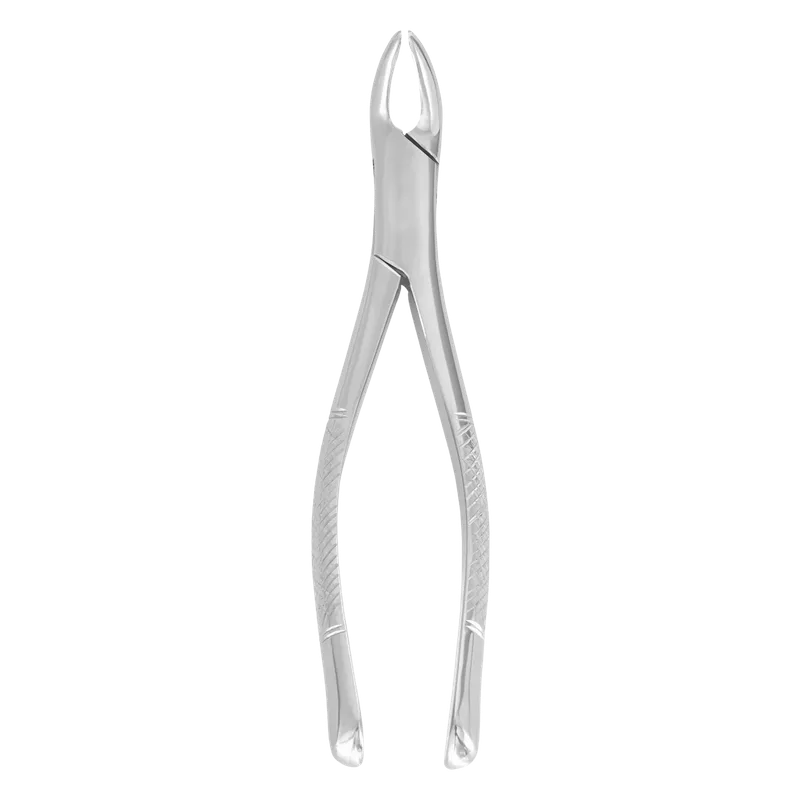
extraction forceps
Extracting Forceps American Pattern Fig.151 Lower Premolars, Incisors & Roots, Universal
EI-1435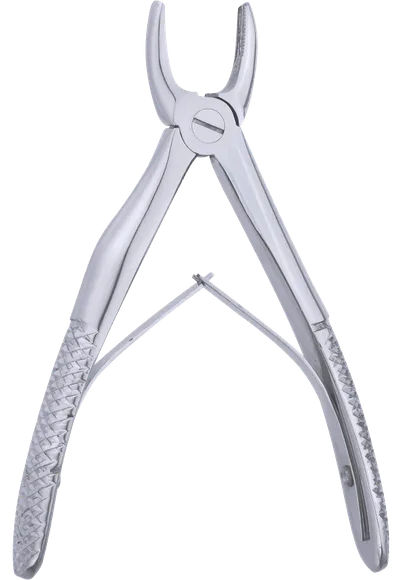
extraction forceps
Children's Extraction Forceps - Upper Incisors 10cm (Fig. 137)
EI-0609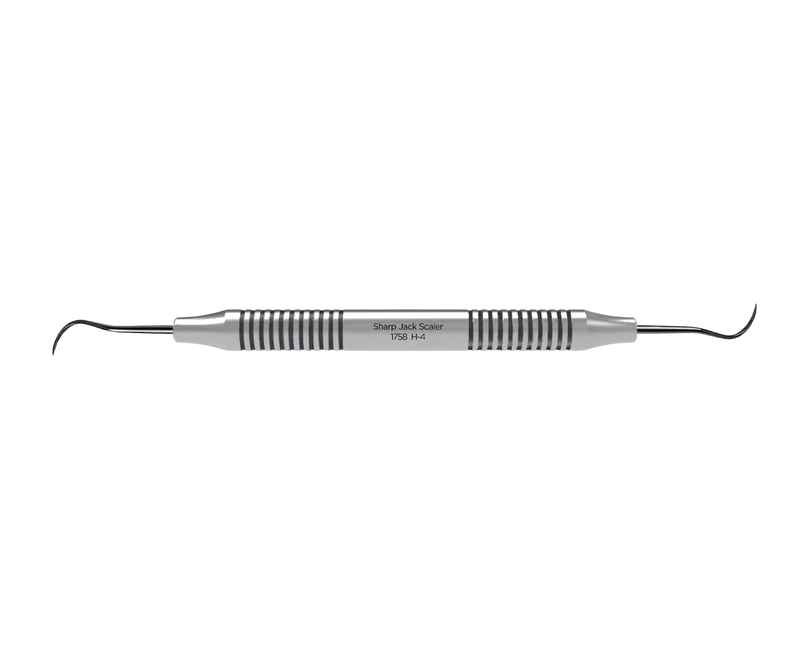
hand scalers
Sharp Jacquette J-Scaler
EI-0253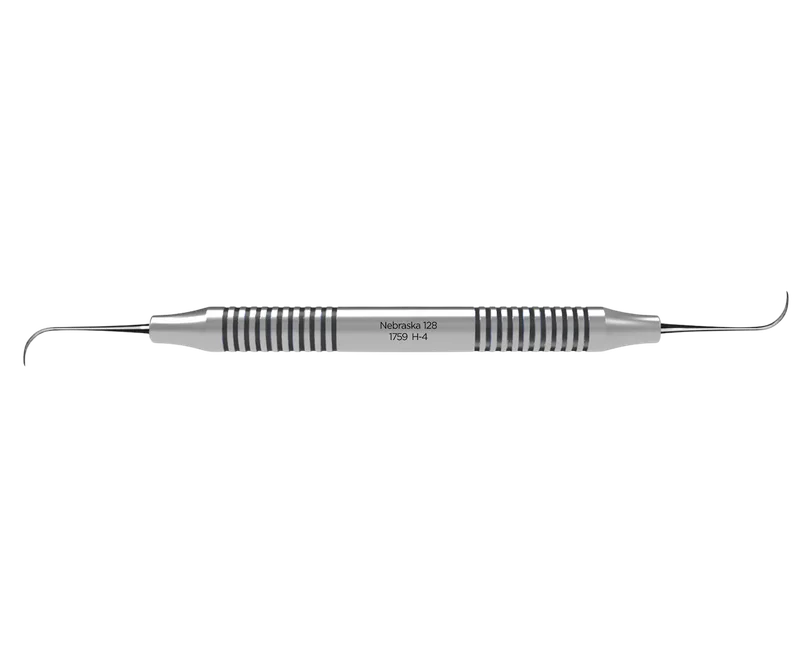
hand scalers
Nebraska 128 Anterior Sickle Scaler
EI-0254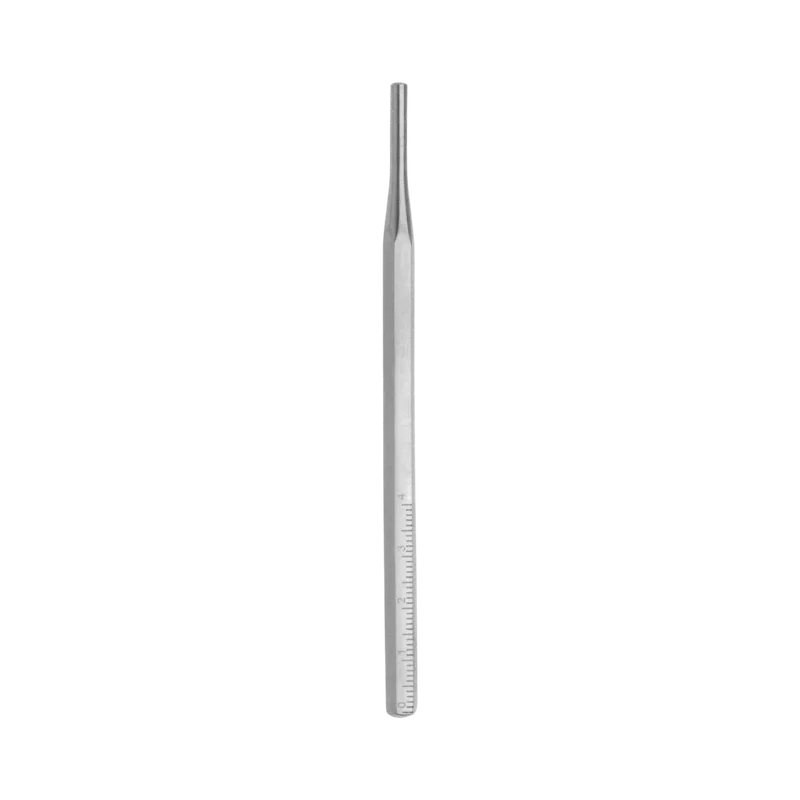
mouth mirrors
Mouth Mirror Handle with Integrated Scale - 8 mm
EI-1817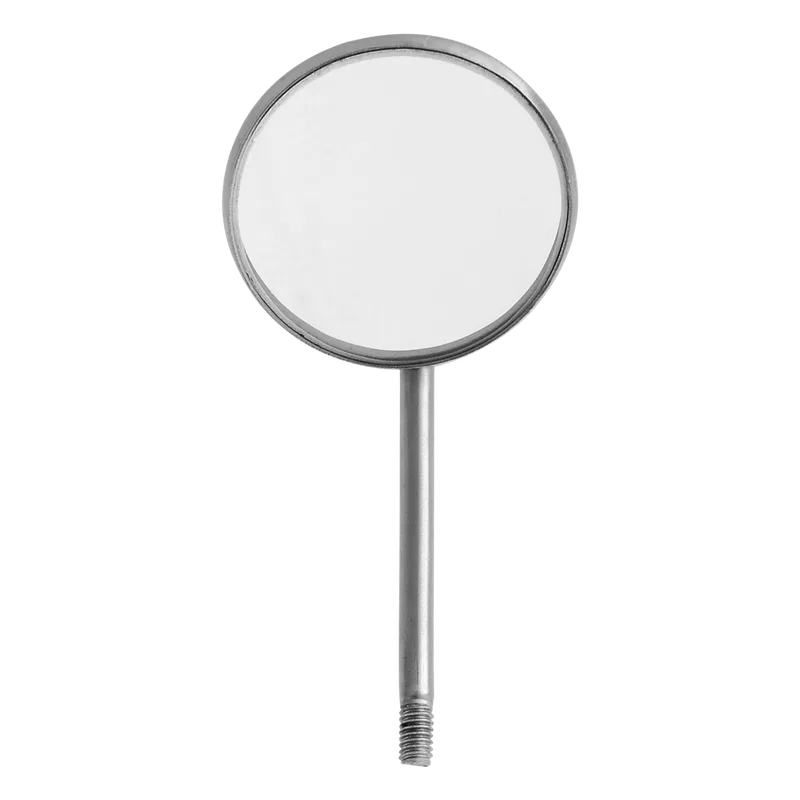
mouth mirrors
Mouth Mirror No. 4 - Rhodium Front Surface, 22 mm, Universal Thread
EI-0003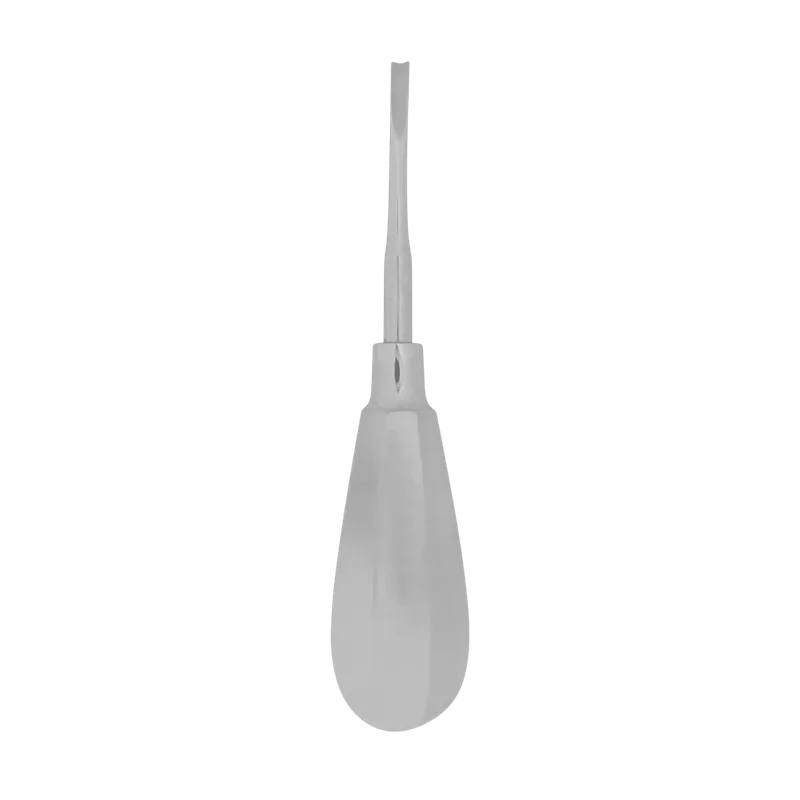
dental elevators and luxators
Straight Elevator 4 mm with Tapered Stainless-Steel Handle
EI-1651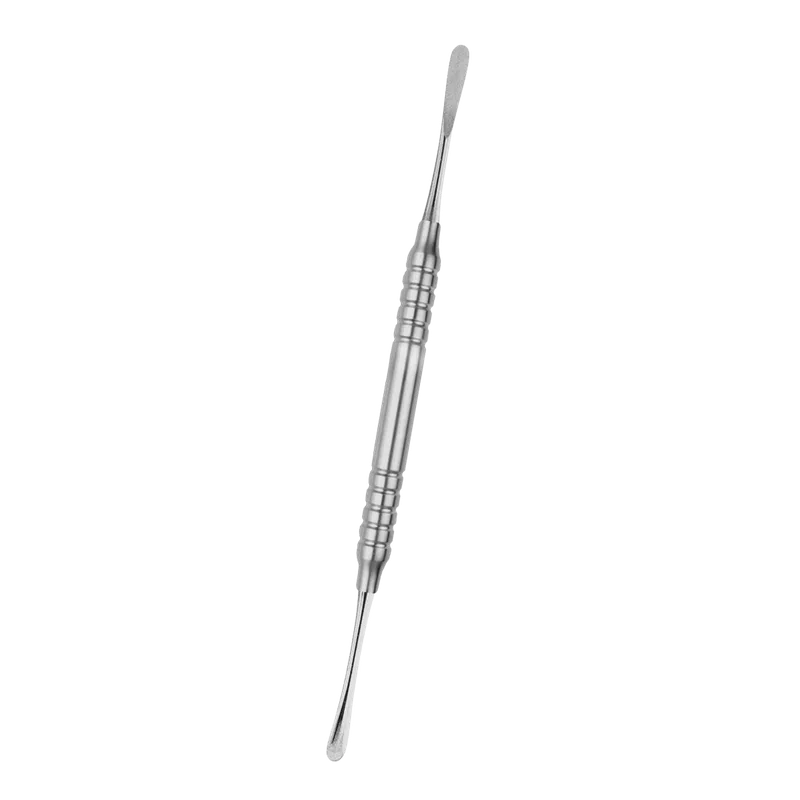
dental elevators and luxators
Molt Periosteal Elevator 4mm/4mm 18.5cm Hollow Handle
EI-2293
How is dental care organised and paid for in the United Kingdom?
NHS dental treatment in England is charged in three bands: Band 1 at £27.90, Band 2 at £76.60 and Band 3 at £332.10 (NHS).
On the NHS in England, urgent dental treatment costs £27.90, and a course of treatment spanning several bands is charged at the highest band (NHS).
WHO reports that the United Kingdom's largest government health financing scheme covers 100% of the population, and that urgent and basic restorative dental care are available in public primary care (WHO).
Childsmile, Scotland's national programme to improve children's oral health, is funded by the Scottish Government and has delivered toothbrushing, community and practice, and fluoride varnish elements in every health board area since 2011 (Childsmile, NHS Scotland).
How are dental instruments regulated in the United Kingdom?
In Great Britain, medical devices are regulated under the Medical Devices Regulations 2002 (SI 2002 No. 618), as amended, and the EU MDR 2017/745 does not apply there (MHRA).
Devices placed on the Great Britain market use UKCA marking, while CE-marked devices under the EU MDR may still be placed on the market until 30 June 2030 (MHRA).
In Northern Ireland the EU MDR has applied since 26 May 2021 and CE marking is required, with a UKNI indication where a UK notified body performs the assessment (MHRA).
The authority responsible for medical devices in the United Kingdom is MHRA.
What are the rules for cleaning and sterilising dental instruments in the United Kingdom?
In England, Health Technical Memorandum 01-05, "Decontamination in primary care dental practices", covers the decontamination of reusable dental instruments; it was first published in 2009 and reissued as a second edition in 2013 (Department of Health).
In Scotland, SHTM 01-05 Part A (Version 1, April 2024) from Health Facilities Scotland covers the management of dental instrument decontamination in a Local Decontamination Unit in NHSScotland (NHS National Services Scotland).
In Wales, WHTM 01-05, "Decontamination in primary care dental practices and community dental services" (Revision 1, February 2014), is published by NHS Wales Shared Services Partnership – Facilities Services (NWSSP).
Where can you study dentistry in the United Kingdom?
The United Kingdom has 16 dental schools listed here, in Birmingham, Bristol, Preston, London, Leeds, Liverpool, Manchester, Newcastle upon Tyne, Plymouth, Sheffield, Aberdeen, Dundee, Glasgow, Cardiff and Belfast.
In the UK, the Bachelor of Dental Surgery (BDS) at the University of Glasgow is a five-year degree (University of Glasgow).
| School | City | Founded | Degree |
|---|---|---|---|
| School of Dentistry, University of Birmingham | Birmingham | 1858 | BDS |
| Bristol Dental School | Bristol | 1906 | BDS |
| School of Dentistry, University of Central Lancashire | Preston | BDS | |
| Guy's, King's and St Thomas' Dental Institute (King's College London) | London | 1889 | BDS |
| Barts and The London School of Medicine and Dentistry (Queen Mary University of London) | London | 1911 | BDS |
| Leeds Dental Institute | Leeds | 1905 | BDS |
| Liverpool Dental School | Liverpool | BDS | |
| Manchester Dental School | Manchester | 1883 | BDS |
| Newcastle University Dental School | Newcastle upon Tyne | 1895 | BDS |
| Peninsula Dental School (University of Plymouth) | Plymouth | 2007 | BDS |
| Sheffield School of Clinical Dentistry | Sheffield | BDS | |
| University of Aberdeen School of Dentistry | Aberdeen | BDS (graduate entry, 4 years) | |
| University of Dundee Dental School | Dundee | 1916 | BDS |
| Glasgow Dental School | Glasgow | 1879 | BDS |
| Cardiff University Dental School | Cardiff | 1966 | BDS |
| Queen's University Belfast School of Dentistry | Belfast | 1920 | BDS |
What are the milestones in the United Kingdom's dental history?
- Sir John Tomes and James Smith Turner were instrumental in securing the Dentists Act 1878, which provided for the registration of dental professionals in the UK.
- The Odontological Society of London was founded in 1856, with Sir John Tomes as one of its main founders.
- The UK's Dentists Act 1984 sets out the constitution and duties of the General Dental Council, the dentists register and dental education (legislation.gov.uk).
Which dental instruments are named after people from the United Kingdom?
- At the Middlesex Hospital, English dental surgeon Sir John Tomes (1815–1895) designed extraction forceps with jaws shaped to the necks of the teeth, replacing the dental key.
Which organisations represent dentists in the United Kingdom?
- General Dental Council (regulator)
- British Dental Association (association)
- Medicines and Healthcare products Regulatory Agency (regulator)
What do dentists in the United Kingdom search for?
In UK & Ireland, Google Keyword Planner shows these instrument searches each month (banded, October 2025 to September 2026).
| Instrument | Searches a month (band) | Most searched term |
|---|---|---|
| Dental Extraction Forceps | 21,150 | cowhorn forceps |
| Dental Scalers (Hand Scalers) | 19,400 | scalers |
| Dental Mouth Mirrors | 9,800 | dental mirror |
| Dental Elevators and Luxators | 9,750 | coupland dental |
| Restorative Dental Hand Instruments | 8,450 | amalgam carrier |
| Periodontal Probes | 7,650 | briault probe |
How are teeth numbered in the United Kingdom?
Dentists in the United Kingdom use the FDI two-digit system set out in ISO 3950, where 11 is the upper right central incisor and 48 the lower right third molar.
Which dental instruments does Equate supply to the United Kingdom?
Equate's instrument guides for the United Kingdom cover dental curettes, dental elevators and luxators, dental explorers, extraction forceps, mouth mirrors, surgical retractors, hand scalers, periodontal probes, restorative hand instruments, spoon excavators and tooth extraction instruments.
City guides: Aberdeen, Belfast, Birmingham, Bristol, Cardiff, Dundee, Glasgow, Leeds, Liverpool, London, Manchester, Newcastle upon Tyne, Plymouth, Preston and Sheffield.
Why do dental practices in the United Kingdom work with Equate?
- Direct from the manufacturer: practices in the United Kingdom order 3,375 instrument references without a distributor mark-up in between.
- The same build standard applies to each piece: passivated stainless steel, ultrasonically cleaned, shape-, boil- and performance-tested and individually packed.
- A named Regional Executive for UK & Ireland handles quotes, samples and volume pricing for NHS and private practices and dental groups and hospital departments in the United Kingdom.
- Clinics in the United Kingdom can request samples and a quote before committing to a full order.
Equate data
the United Kingdom in Equate's market data
The United Kingdom ranks 21 of 22 in the Equate Dental Market Index 2026, with a score of 33.2 out of 100. See the full index
“We won't halt the exodus from the NHS”
Your Regional Executive · UK & Ireland
Nader Chaudhry
Regional Executive, London, UK
Frequently asked questions
How many dentists are registered in the UK?
At the end of 2025 the General Dental Council register held 47,916 dentists, up 3.4% on the year. It also held 83,764 dental care professionals, 131,680 dental professionals in total.
Which medical device rules apply to dental instruments in Great Britain?
Great Britain regulates medical devices under the Medical Devices Regulations 2002, as amended, and uses UKCA marking. CE-marked devices under the EU MDR may still be placed on the market until 30 June 2030.
Do the same device rules apply in Northern Ireland?
No. In Northern Ireland the EU MDR has applied since 26 May 2021 and CE marking is required, with a UKNI indication where a UK notified body carries out the assessment.
What guidance covers dental instrument decontamination in England?
Health Technical Memorandum 01-05, Decontamination in primary care dental practices, covers reusable dental instruments. It was first published in 2009 and reissued as a second edition in 2013. Scotland has its own SHTM 01-05, issued in April 2024.
How common is tooth decay in the UK?
WHO estimates for 2019 put untreated caries of the permanent teeth at 30.6% of people aged 5 and over, and untreated caries of the deciduous teeth at 19.5% of children aged 1 to 9.
How much does NHS dental treatment cost in England?
NHS dental charges in England fall into three bands: £27.90 for Band 1, £76.60 for Band 2 and £332.10 for Band 3. Urgent treatment costs £27.90.
How long does it take to train as a dentist in the UK?
The Bachelor of Dental Surgery (BDS) is a five-year degree, for example at the University of Glasgow.
How common is tooth decay among 5-year-olds in England?
OHID's 2024 survey found that 22.4% of 5-year-old schoolchildren in England had experience of dentinal decay. This is down from 23.7% in 2022 and 30.9% in 2008.
References
- General Dental Council (2025)
- General Dental Council (2025)
- World Health Organization (2018)
- Public Health England (2018)
- Office for Health Improvement and Disparities (2024)
- Public Health Scotland (2024)
- Public Health Wales (2025)
- NHS (2025)
- Childsmile, NHS Scotland (2011)
- Medicines and Healthcare products Regulatory Agency (2002)
- Department of Health / NHS England (2013)
- NHS National Services Scotland (2024)
- NHS Wales Shared Services Partnership (2014)
- University of Glasgow (2026)
- Wikipedia (1878) · en.wikipedia.org
- legislation.gov.uk (1984)
I am a… in the United Kingdom