Best Aligner Pliers: What to Buy First and What to Add
Written & reviewed by the Equate Technical Team · Updated
Buy a 6 mm hole punch plier first, because it creates the button cut-outs that elastics need. Add a tear drop plier for elastic hooks at the gingival margin, then rectangular pliers for attachment clearance. Thermoforming pliers and dimpling pliers are second-wave purchases for practices that adjust aligners often.
Our ranked picks
1. Hole punch plier, 6 mm
Cuts a clean half-moon or round opening so a bonded button or hook sits free of the plastic. It covers the single most common chairside aligner modification: elastic access. Not the right choice for creating a long slit-style notch at the gingival edge, which is the tear drop plier's job.
See Clear Aligner Hole Punch Plier 6 mm2. Tear drop plier
Notches the aligner at the gingival margin to form an elastic hook cut. It is the precision-cut tool for elastic anchorage without a bonded button. Choose it if your protocol uses cuts rather than buttons; skip it if you work only with bonded buttons.
See Clear Aligner Hole Punch Plier 6 mm3. Horizontal and vertical rectangular pliers
Form a rectangular recess so aligner plastic seats around attachments or relieves a tight area. They are worth owning once you run attachments heavily. They are the wrong first purchase if most of your cases are simple, attachment-free alignment.
See Clear Aligner Hole Punch Plier 6 mm4. Thermoforming (thermal) pliers
Heat-assisted shaping tools, such as bubble, micro-ramp, circular and slot types, that add small contours to the plastic. Choose them for in-house trimming and shaping work. They need a heat source and care with temperature, so they are less suited to quick chairside fixes than cold punch pliers.
See Bubble Thermal Forming Pliers5. Dimpling plier
Presses small indentations to increase tooth or attachment engagement. It is a specialist tool for incomplete tracking. Evidence is mostly clinical practice, so it should follow, not precede, the punch and hook pliers.
See Clear Aligner Hole Punch Plier 6 mm
The aligner modification that most practices do first
Elastics are the most frequent reason for adding anything to an aligner. A 2025 comprehensive review of clear aligner attachments in PubMed Central lists attachments, buttons, power arms, precise cuts in the aligner, bite ramps and intermaxillary elastics among the auxiliaries clinicians use to compensate for aligners' biomechanical limits. Whichever auxiliary you choose, a plier makes the cut-out or notch. That is why the hole punch and tear drop sit at the top of this list.
Evidence on buttons versus cuts is thin. Manufacturer support pages, for example ClearCorrect's, state that the choice between a button and a slit is largely down to clinician preference, and one supplier reports buttons are more retentive than precision cuts. A finite element study published in the American Journal of Orthodontics and Dentofacial Orthopedics compared lingual buttons, precision cuts and patient-specific attachments in maxillary molar distalization; it is a computer model, not a clinical trial.
How we evaluated these picks
Dated 21 October 2026. Equate manufactures the pliers listed here and publishes this guide, so treat it as a manufacturer's editorial view. Ranking reflects how often each task occurs in aligner workflows and how hard it is to do without that specific plier. It is based on instrument design and published clinical commentary. We did not lab-test cut quality, and aligner manufacturers' own instructions take precedence over anything here.
Choose by treatment stage
| Stage | Task | Plier to reach for |
|---|---|---|
| Delivery visit | Relieve plastic that presses on soft tissue | Hole punch, 6 mm |
| Elastic wear begins | Open a hook or button access | Hole punch or tear drop |
| Attachment bonded, tray rides high | Clear plastic around the attachment | Horizontal or vertical rectangular plier |
| Tracking lag on a tooth | Add engagement | Dimpling plier or thermal slot plier |
| Refinement trays | Reshape or contour trimmed plastic | Thermoforming pliers |
Selection criteria
- Punch diameter: a 6 mm hole punch is sized for most bondable button attachments, according to clinician commentary on aligner customisation.
- Cutting clean edges: sharp, aligned punch and die faces so the plastic is cut rather than torn.
- Handle spring: a controlled return lets you apply steady, gentle pressure, which supplier and clinical guides recommend to avoid cracking thermoformed plastic.
- Stainless construction: pliers meet repeated sterilisation, so passivated stainless steel is the baseline.
- Left and right use: look for plain, symmetric handle design if several clinicians share the set.
Cautions when modifying aligners
Cut-outs create stress concentrations. Clinician sources note that slits and cut-outs can make the aligner more prone to cracking, and one manufacturer advises against cutting both buccal and lingual surfaces of the same tooth. Check the aligner brand's instructions before modifying, because some systems specify cut positions.
Pliers that touch intraoral material need the same infection control as other instruments. The CDC 2003 dental guideline advises heat sterilisation of heat-tolerant items; follow the manufacturer's cycle. Clean plastic debris from the punch die before each cycle.
The Equate difference
Equate lists 5 clear aligner pliers (hole punch 6 mm, tear drop, horizontal rectangular, vertical rectangular and dimpling) and 4 aligner thermoforming pliers (bubble, micro-ramp, circular and slot thermal), plus a 'Clear Aligner Plier Kit of 5 with Ligature Director' in the starter kit range.
Equate Best Aligner Pliers: What to Buy First and What to Add options
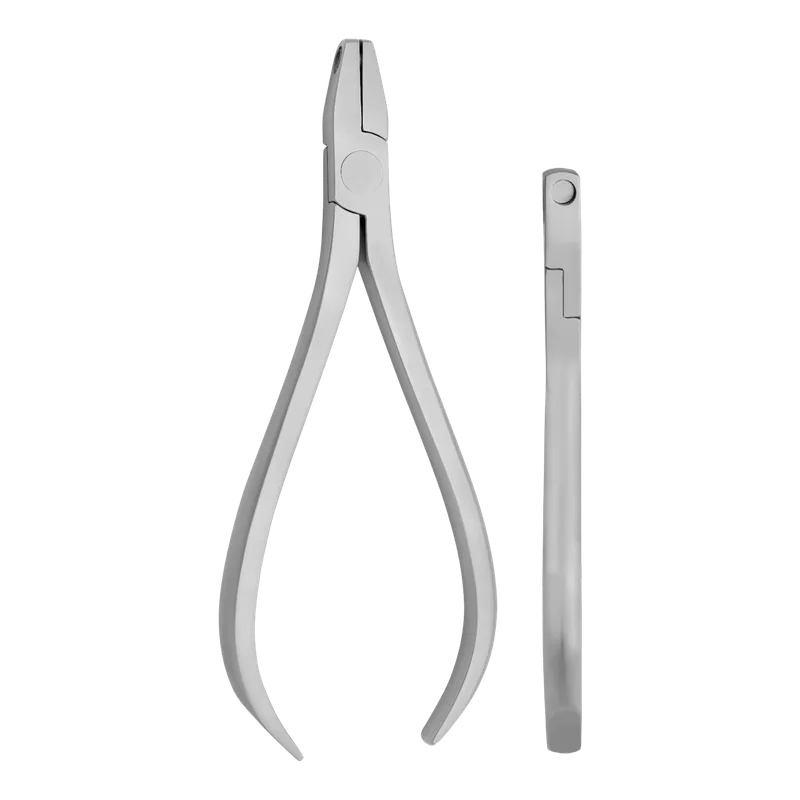
Clear Aligner Hole Punch Plier 6 mm
EI-2665
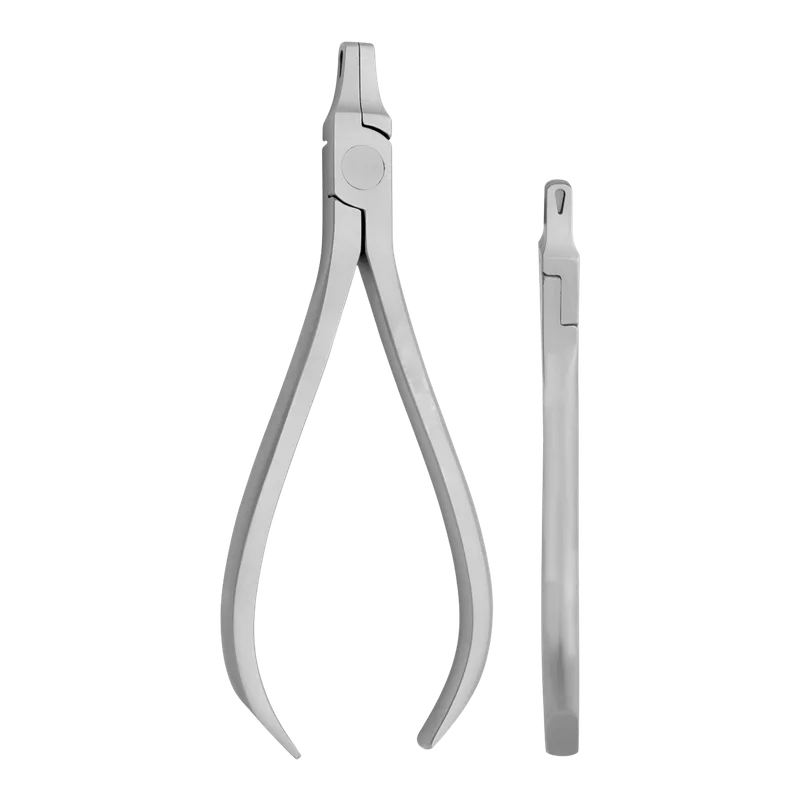
Clear Aligner Tear Drop Plier
EI-2666
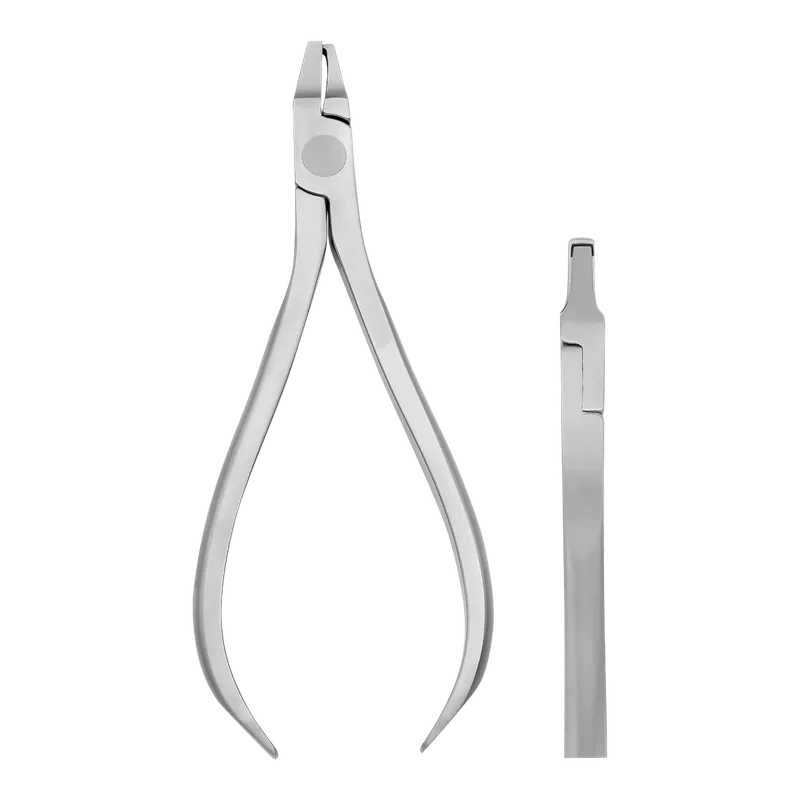
Clear Aligner Horizontal Rectangular Plier
EI-2667
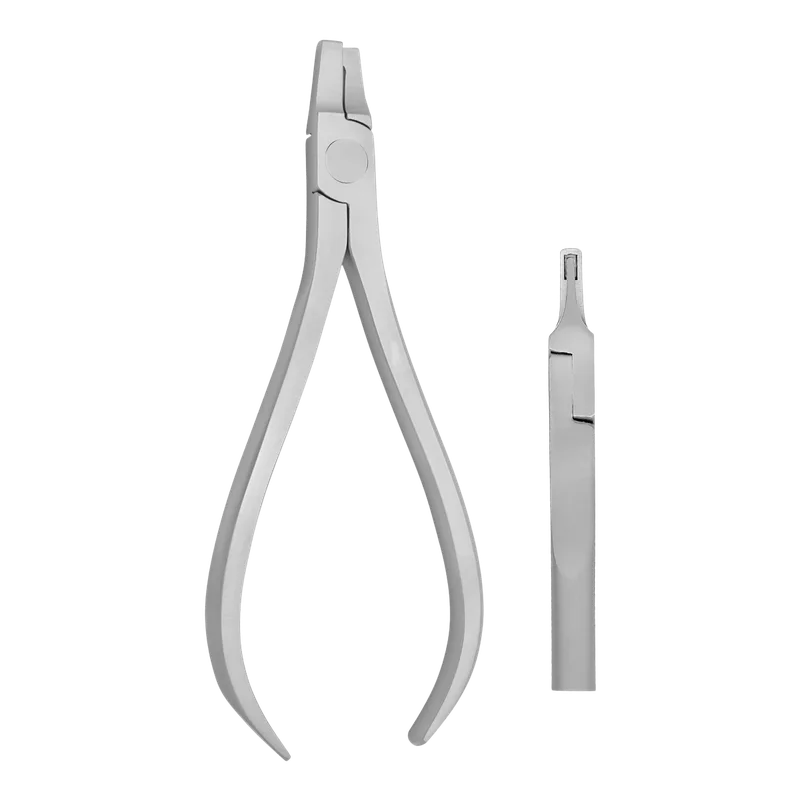
Clear Aligner Vertical Rectangular Plier
EI-2668
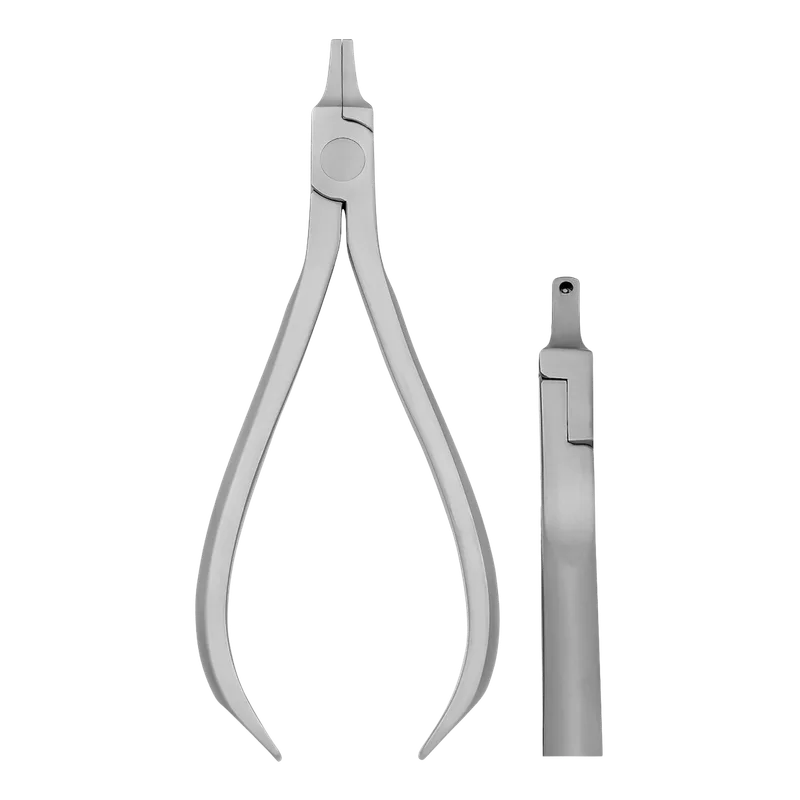
Clear Aligner Dimpling Plier
EI-2669
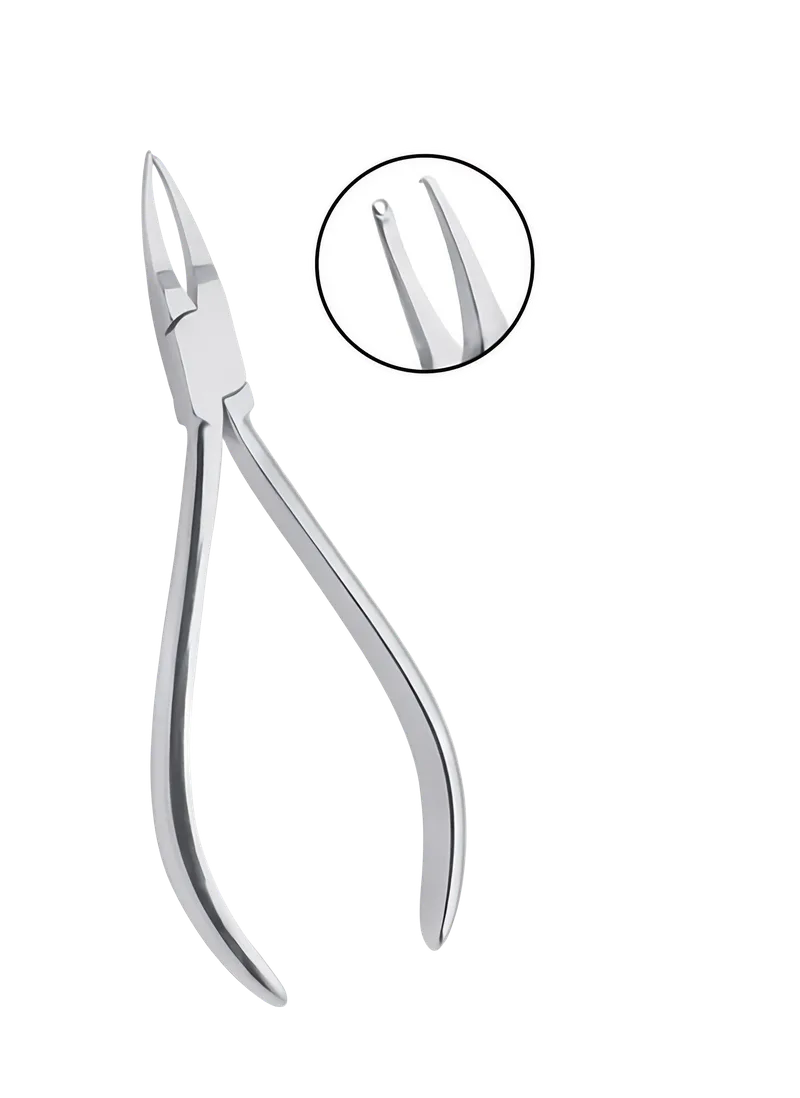
Bubble Thermal Forming Pliers
EI-3353
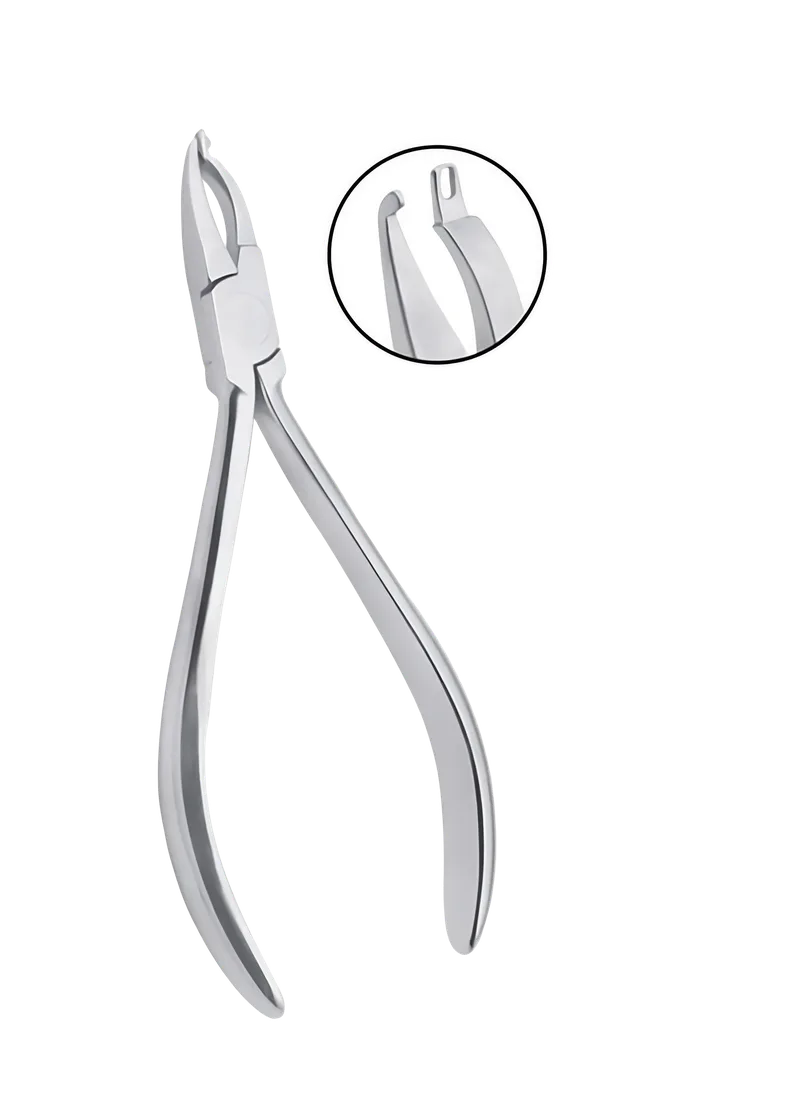
Micro-Ramp Thermal Pliers
EI-3354
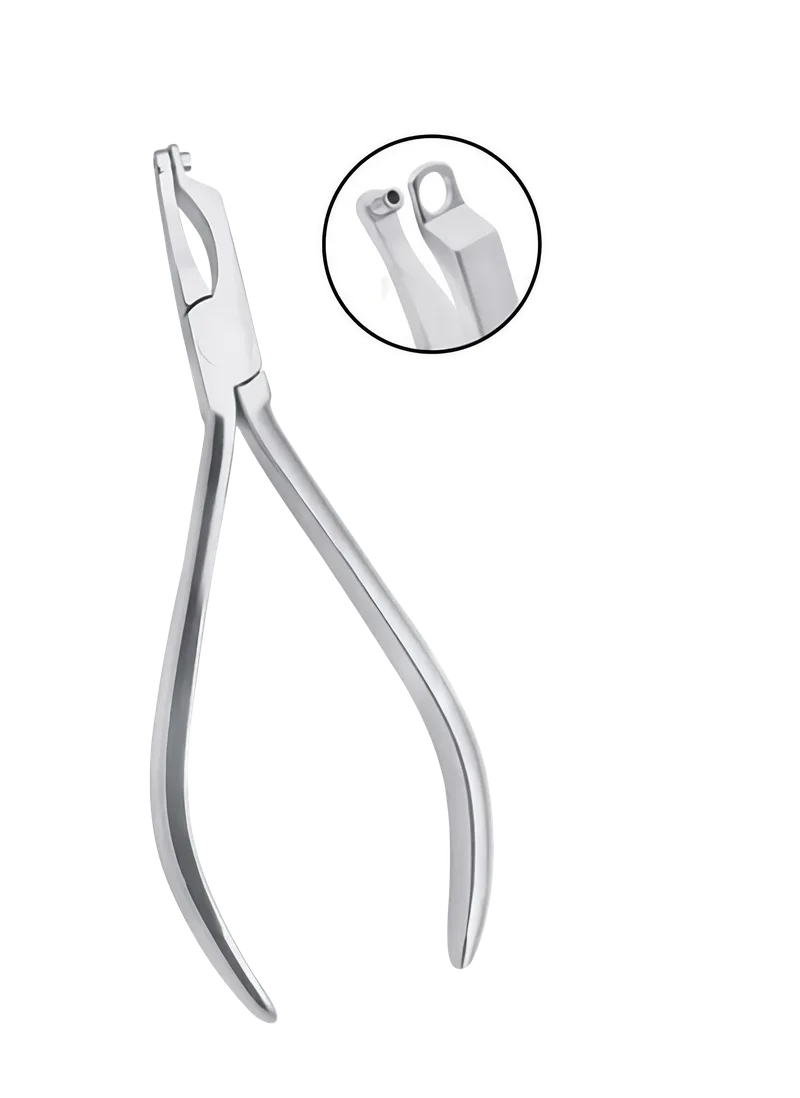
Circular Forming Thermal Pliers
EI-3355
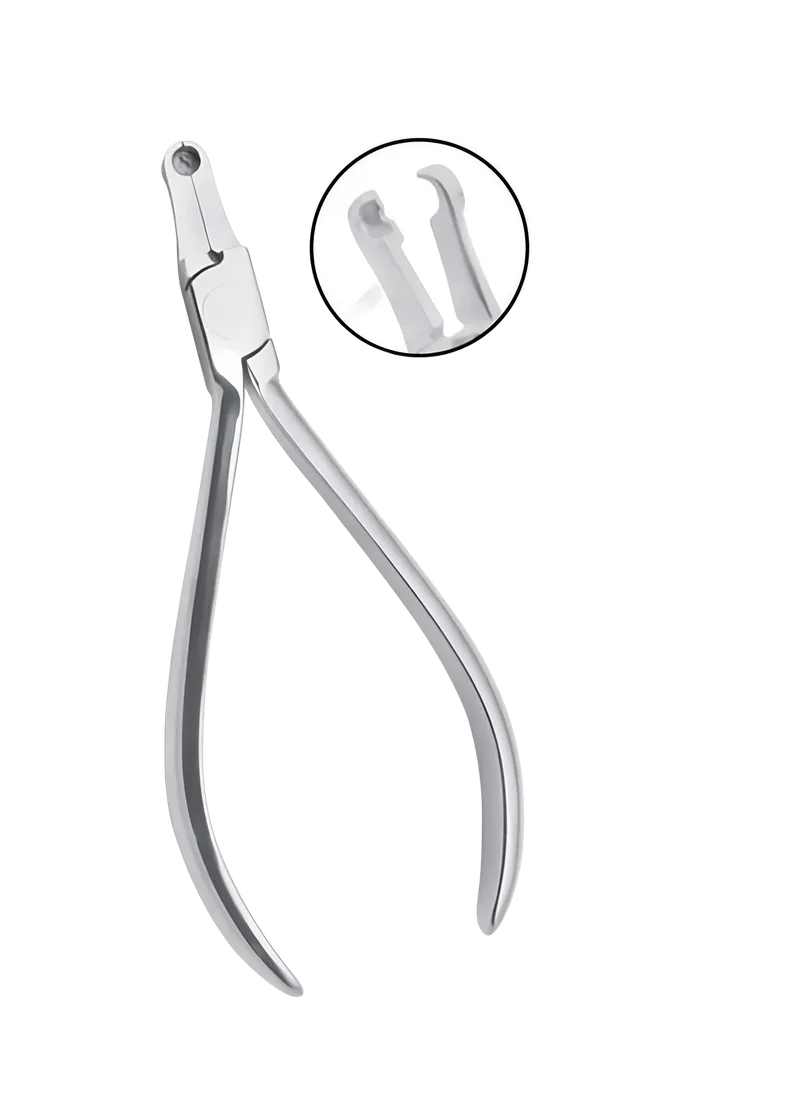
Slot Thermal Forming Plier
EI-3356
Frequently asked questions
What pliers do I need for clear aligners?
At minimum a hole punch plier and a tear drop plier for elastic access. Rectangular, dimpling and thermoforming pliers are additions for attachment relief and shaping.
What does a clear aligner hole punch plier do?
It cuts a round or half-moon opening in the aligner, commonly about 6 mm, so a bonded button or hook can protrude for elastics or to relieve pressure on tissue.
What is a tear drop plier used for?
It cuts a tear-drop shaped notch at the gingival margin, forming a hook for elastics without bonding a button.
Are buttons or precision cuts better for aligner elastics?
Evidence is limited. Some sources report buttons are more retentive; others say the choice is mostly clinician preference. Follow your aligner system's guidance.
Are thermoforming pliers the same as cold aligner pliers?
No. Thermal pliers shape the plastic with heat, while punch and tear drop pliers cut it at room temperature.
Can I use ordinary orthodontic pliers on aligners?
Not for cutting. General wire pliers cannot make clean cut-outs and can crack or mark the plastic.
Is there an aligner plier kit?
Yes. Equate lists a Clear Aligner Plier Kit of 5 with Ligature Director in its starter kit range.
References
- Clear Aligner Attachments: A Comprehensive Review, PubMed Central, 2025
- Effects of lingual buttons, precision cuts and patient-specific attachments during molar distalization with clear aligners, finite element analysis, AJO-DO
- ClearCorrect support, Aligner Cutouts guidance
- Customizing Clear Aligners for Elastics, LearnDentistry
- CDC, Guidelines for Infection Control in Dental Health-Care Settings, 2003 (MMWR 52 RR-17)
I am a…