Instruments for Practices Running Clear Aligners
Written & reviewed by the Equate Technical Team · Updated
Practices running clear aligners need a small, specific set: aligner pliers (hole punch, tear drop, rectangular and dimpling), tweezers for attachment and button work, an interproximal stripping instrument, a gauge to check measurements, and thermoforming pliers for in-house trays. Equate sells these directly to clinics and practitioners; ask for a quote.
Step by step
- 1
Modify trays
Aligner pliers cover punches, notches and indentations. Start with the hole punch and tear drop pair.
Clear Aligner PliersBest Aligner Pliers: What to Buy First and What to Add
- 2
Finish attachments and IPR
Remove flash, strip interproximally and measure what you removed.
Interproximal Stripping InstrumentDental Measuring RulerBoley Gauge
- 3
Handle small parts
Bracket and button handling at the chair relies on fine tweezers and a ligature director.
- 4
Equip a new aligner service
A kit approach reduces first-order decisions.
Starter Orthodontic KitBuilding an Orthodontic Plier Starter Kit
Aligners are now mainstream, and the chairside workload is real
Align Technology reported in its fourth quarter and fiscal 2025 results that more than 22 million patients have been treated with the Invisalign system, including over 6.5 million teens and growing kids, with 2.6 million clear aligner cases shipped in 2025. That is one manufacturer's figure and does not cover the wider aligner market, but it shows how routine the workflow has become for general dentists and orthodontists alike.
Routine does not mean hands-off. Systematic and scoping reviews put the average accuracy of planned tooth movement near 50% for early-generation systems, with rotations among the least predictable, and the studies differ in method and rely mostly on retrospective data. In practice, practices review progress at each visit and adjust: refinements, attachments, elastics, tray modification and IPR.
Where instruments enter the aligner workflow
| Step | What happens | Instruments |
|---|---|---|
| Attachment placement | Composite attachments bonded through a template | Tweezers, ligature director for flash removal, stripping instrument for finishing |
| IPR | Planned interproximal enamel reduction | Interproximal stripping instrument, measuring gauge |
| Fit and tracking checks | Seating, gaps, edges | Dental measuring ruler or gauge, tweezers |
| Tray modification | Holes for elastics, relief, dimples | Hole punch, tear drop, dimpling, rectangular aligner pliers |
| In-house trays | Thermoformed retainers or aligners | Thermoforming pliers (bubble, micro-ramp, circular, slot) |
| Refinement and retention | Re-scan, finishing, retainers | Calipers, ruler, pliers for retainer wire |
Attachments and IPR need measured work
IPR is irreversible, so precision matters. A 2020 Progress in Orthodontics study of 40 patients found that the IPR actually performed in the upper arch averaged 0.55 mm less than the 1.09 mm programmed, which means measuring after reduction is worth the few seconds it takes. The authors judged the millimetre differences not necessarily clinically relevant, and a 2025 systematic review of 23 studies reported no negative effects on demineralisation or caries when sound protocols were used. A calibrated gauge or ruler and a hand stripping instrument give you a record of what was actually removed.
Equate lists an interproximal stripping instrument, a dental measuring ruler in 10 cm and 15 cm versions and several Boley gauge references, so IPR and measurement kit can be bought together.
Aligner pliers: what each one does
- Hole punch pliers: create a small round hole in the tray, typically for elastic hooks or buttons.
- Tear drop pliers: shape a notch for an elastic to seat.
- Rectangular pliers: create horizontal or vertical indentations that add retention against an attachment.
- Dimpling pliers: add a bump that increases pressure on a tooth.
- Thermoforming pliers (bubble, micro-ramp, circular, slot): shape in-house tray features.
- Check each aligner manufacturer's own guidance before modifying a tray; the plier does not change what the system allows.
Infection control in a mixed general practice
General practices already run a sterilisation workflow, so the question is where aligner instruments fit. Under the 2003 CDC dental guidelines, heat-tolerant semicritical items are heat sterilised between patients; ISO 17664-1:2021 describes the reprocessing information a manufacturer should provide. Ask for it with any plier. Because aligner pliers can touch trays that go back into a patient's mouth, a documented clean-and-sterilise routine is simple to defend.
Price and how to order
Equate aligner pliers carry a typical list price of about EUR 64.90 ex-VAT, indicative and quote-based, which is about 52% below the EUR 134.80 median premium European RRP for comparable forming pliers. Equate sells directly to clinics and practitioners: request a quote through the contact page.
The Equate difference
Equate offers 9 aligner plier references across clear aligner and thermoforming pliers, including a 6 mm hole punch, tear drop, horizontal and vertical rectangular and dimpling pliers, plus an interproximal stripping instrument and a clear aligner plier kit of 5 with ligature director.
Equate Instruments for Practices Running Clear Aligners options
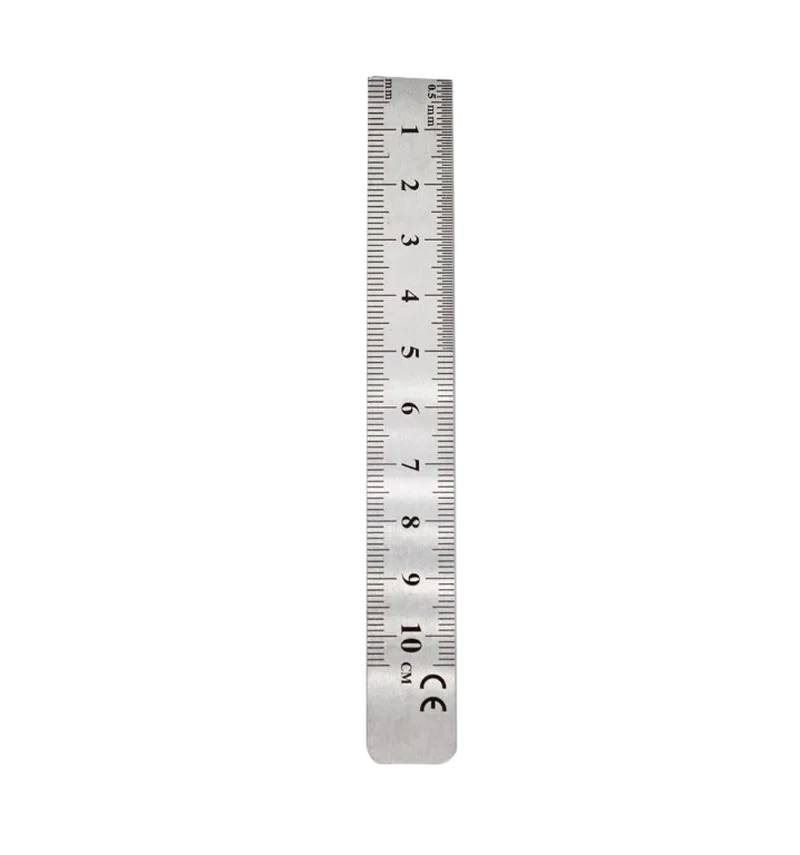
Dental Measuring Ruler 10 cm
EI-0321
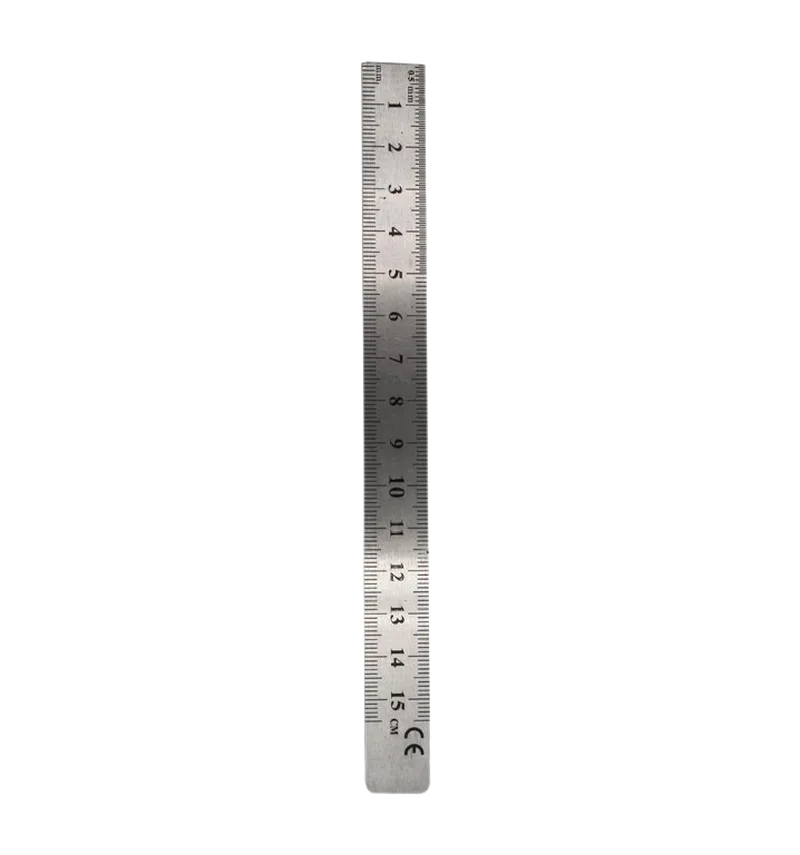
Dental Measuring Ruler 15 cm
EI-0322
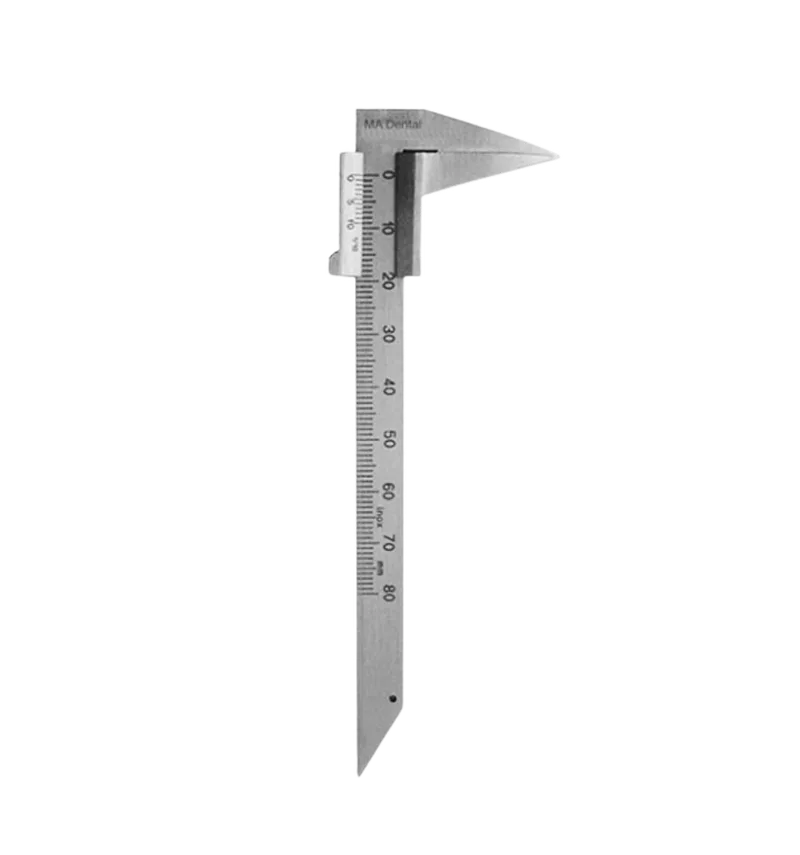
Deluxe Boley Gauge
EI-0525
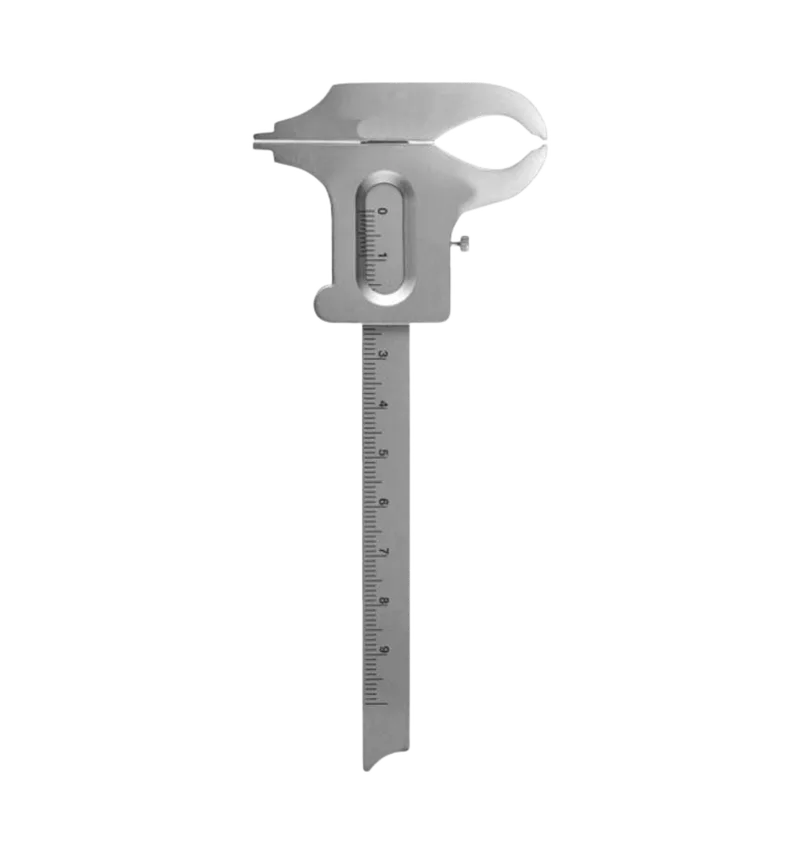
Boley Dental Caliper 145mm
EI-0527
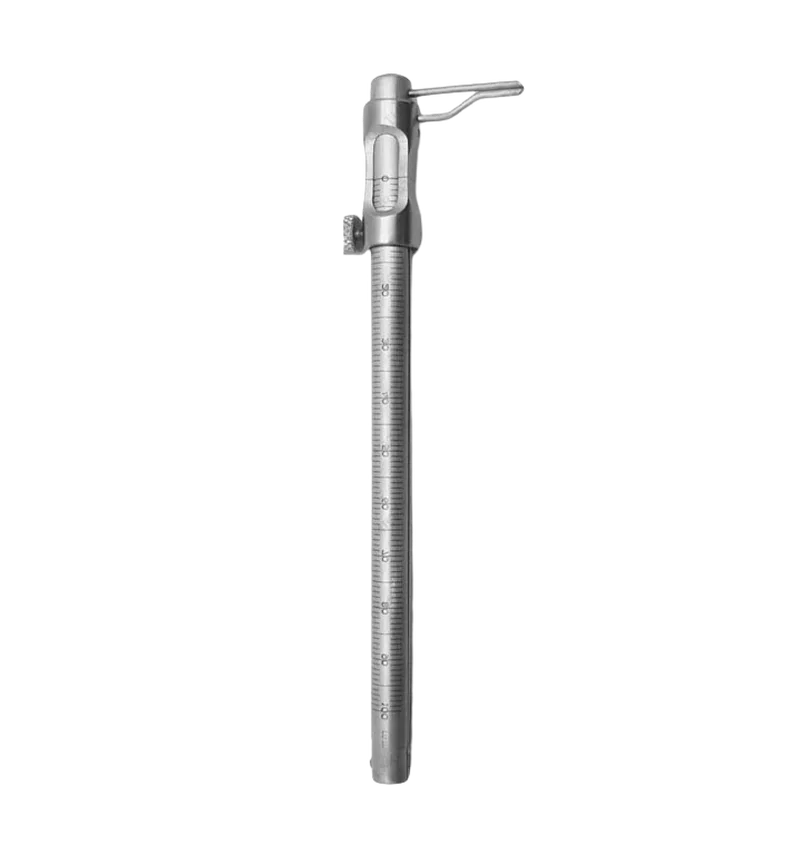
Dental Caliper 0-90 mm
EI-0528
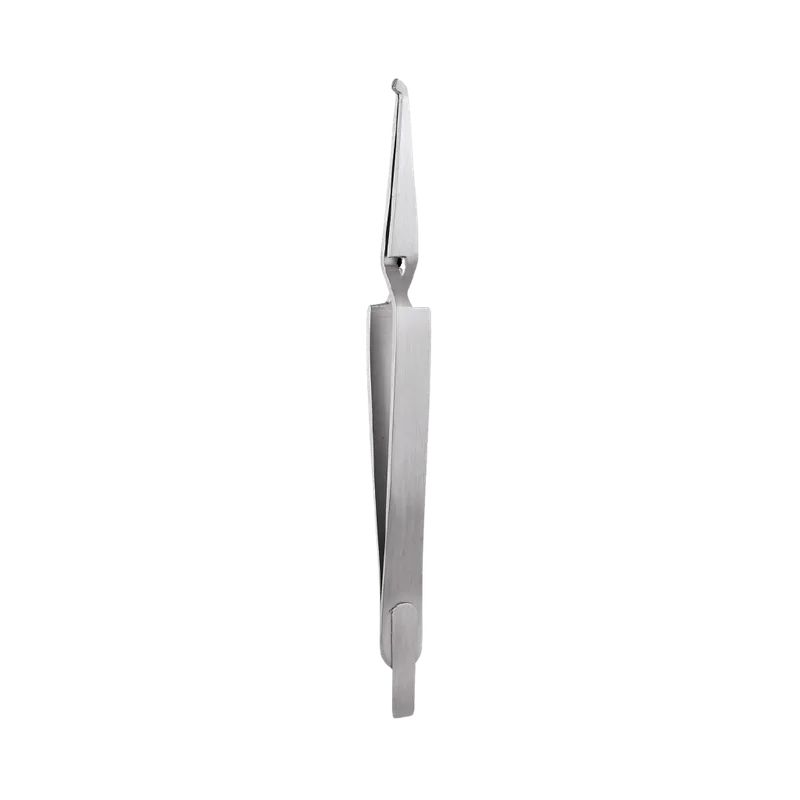
Bracket Positioning Tweezer 12 cm
EI-0680
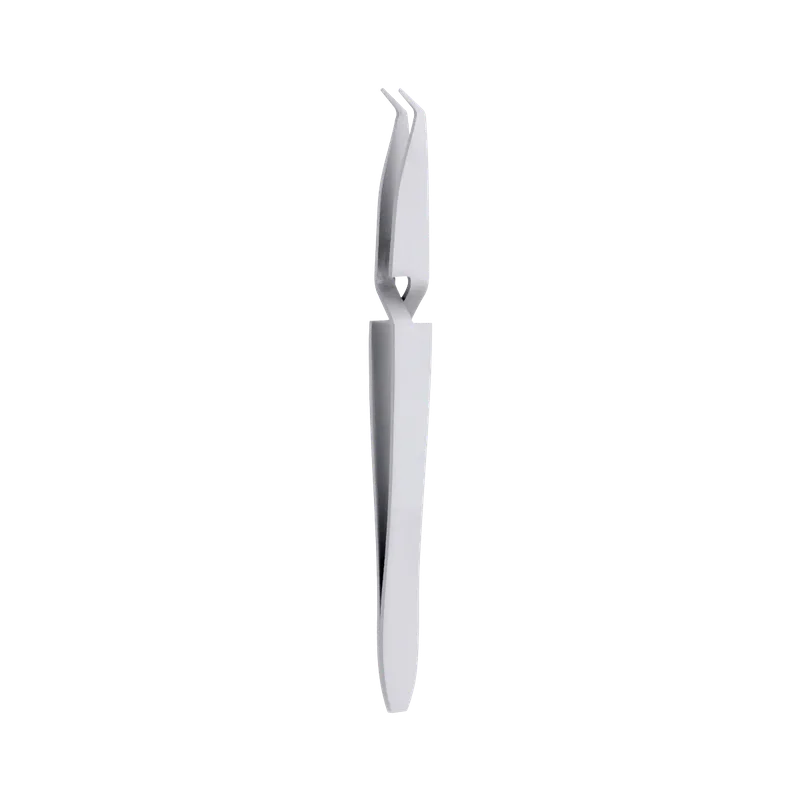
Bracket Holding Tweezers 12 cm
EI-0689
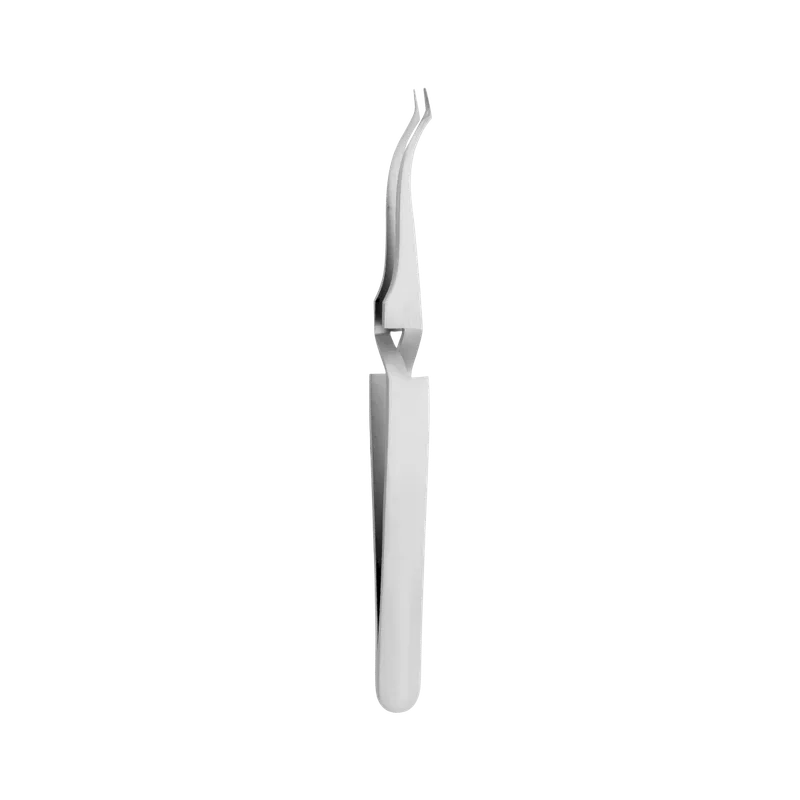
Bracket Placing Tweezers 13 cm
EI-0690
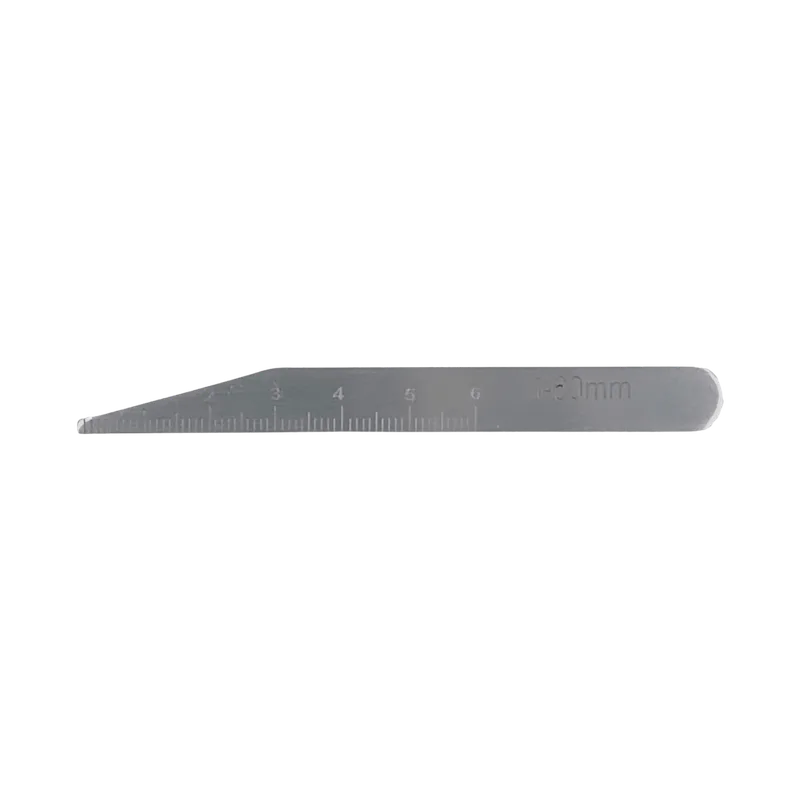
Dental Measuring Ruler 0-60mm
EI-0693

Dental Measuring Ruler 0-60mm Square Edge
EI-0694
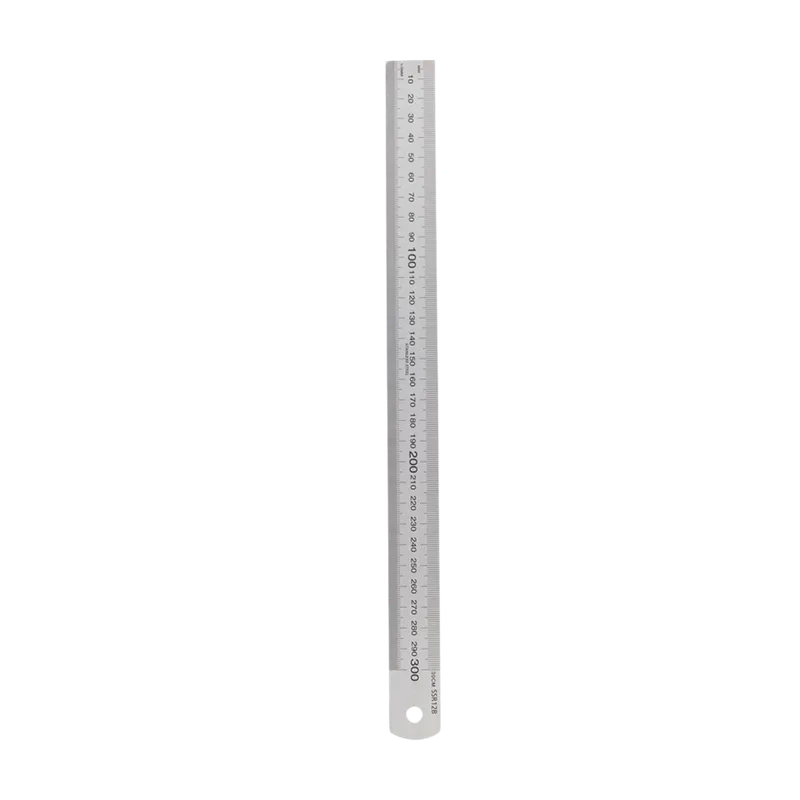
Dental Measuring Ruler 0-80mm
EI-0695
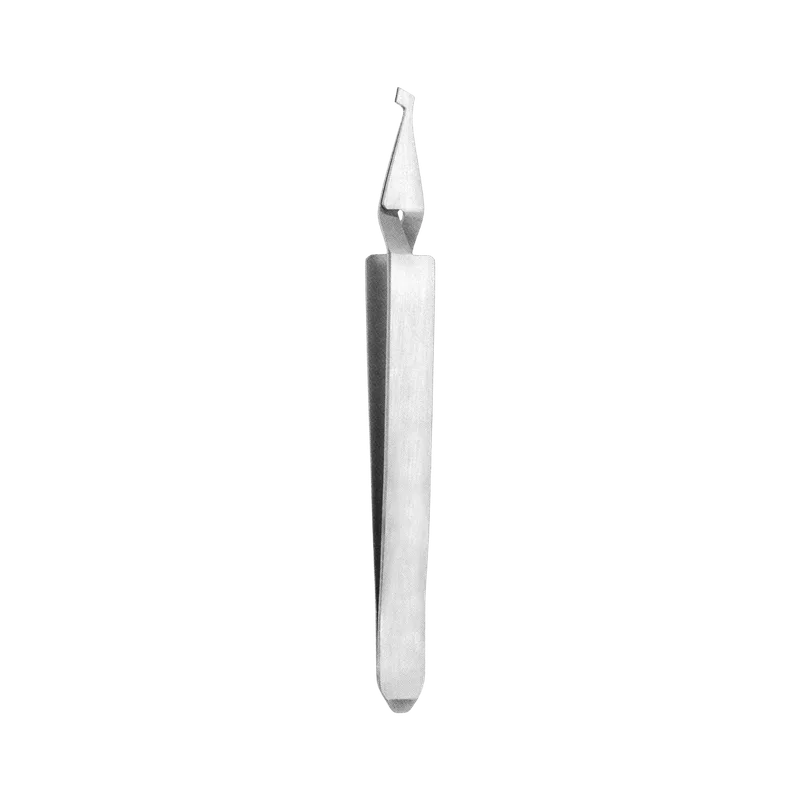
Bracket Positioning Tweezer 12 cm
EI-2556
Frequently asked questions
What pliers do I need for clear aligners?
A hole punch, tear drop and rectangular or dimpling plier cover most tray modifications. Thermoforming pliers are for in-house tray making.
What instruments are used for IPR with aligners?
An interproximal stripping instrument for hand reduction and a gauge or ruler to measure the result; some practices also use oscillating handpiece systems.
How accurate are clear aligners at achieving the planned movement?
Reviews report average accuracy around 50% for earlier systems, lower for rotations, with methodological limits in the studies. This is why refinements and chairside adjustments are common.
Can a general dentist use aligner pliers?
Yes, and many general practices do. The instruments are simple; the knowledge needed is in case selection and in the aligner system's own guidance.
Do aligner pliers need sterilising?
Treat them like other heat-tolerant semicritical instruments: clean and heat sterilise between patients following the manufacturer's instructions, per the 2003 CDC guidelines.
How do I order Equate aligner pliers?
Equate sells directly to clinics and practitioners; request a quote through the contact page.
References
- Align Technology fourth quarter and fiscal 2025 financial results
- Predictability of tooth rotations in patients treated with clear aligners, Scientific Reports 2024
- Accuracy of interproximal enamel reduction during clear aligner treatment, Progress in Orthodontics 2020
- The Role of the Interproximal Enamel Reduction in Orthodontics: A Systematic Review, Applied Sciences 2025
- Guidelines for Infection Control in Dental Health-Care Settings, CDC MMWR 2003
- ISO 17664-1:2021 processing information for critical and semi-critical devices
- Equate Instruments orthodontic catalogue and indicative list pricing, 2026
I am a…