Best Bracket Removers and Debonding Pliers
Written & reviewed by the Equate Technical Team · Updated
The best first purchase is an angled bracket removing plier with tungsten carbide tips for metal brackets. Add a ceramic-specific bracket remover if you place ceramic brackets, and an adhesive removing plier for composite cleanup. Choose by bracket type, because the right blade position differs between metal and ceramic designs.
Our ranked picks
1. Angled bracket removing plier with carbide tips
Handles the most common job, debonding metal brackets at the end of treatment, with tips that reach the bracket base from an angle. Pick a 12.5 cm angled model. It is not the right choice for ceramic brackets that need a specific blade placement or for removing cured adhesive.
See Direct Bond Bracket Remover Plier2. Ceramic bracket remover
A 45 degree angled head with narrow tips for ceramic bracket designs. Studies on ceramic debonding stress that the instrument and blade position should match the bracket design. Skip it if you place only metal brackets.
See Direct Bond Bracket Remover Plier3. Wide direct-bond remover with replaceable tip and pad
The wide jaw spreads load across the bracket and the replaceable carbide tip and Teflon pad extend working life. Good for high-volume debond days. Heavier handling and a higher spare-parts commitment than a plain remover.
See Angulated Debonding Pliers (TC)4. Adhesive removing plier
Chips away residual composite after the bracket is off, speeding cleanup. Not a debonding tool; for the final enamel finish, a carbide bur is the better choice according to one in-vitro comparison.
See Angulated Debonding Pliers (TC)5. Band removing plier
A separate job: lifting cemented molar bands with a cushioned tip. Buy it for banded appliances, not as a substitute for a bracket remover.
See Posterior Band Removing Pliers Long Handle
What published studies say about plier choice
The most-cited study on debonding pliers is a 1995 in-vitro paper in the American Journal of Orthodontics and Dentofacial Orthopedics, which measured force levels and enamel cracks when ceramic brackets were removed with pliers. In that study most teeth showed no increase in cracks, and teeth that did develop new cracks had higher bond strengths. A 2008 Angle Orthodontist in-vitro study found no frank enamel fracture at 10 times magnification, and a manufacturer's dedicated debonding instrument left less adhesive on the tooth than conventional Weingart pliers.
These are small studies on extracted teeth and the bracket designs have since changed, so they support careful technique rather than a ranking of plier brands. Reviews of ceramic debonding also stress that blade placement depends on the bracket: for some designs the tips go between base and enamel, for others on the tie wings or the metal slot ends.
How we evaluated these picks
Dated 21 October 2026. Equate, which makes the instruments listed, wrote this guide. The order follows what published in-vitro work and manufacturer instructions imply about instrument-to-bracket fit, and how frequent each job is. We did not test pliers for bond-failure force or enamel outcome. For the whole tray, see our guide to the best orthodontic pliers.
Instrument to bracket and task
| What you are removing | Instrument | Check before use |
|---|---|---|
| Metal brackets, direct bond | Angled bracket removing plier, carbide tips | Tip contacts the bracket base, not the wire slot |
| Ceramic brackets | Ceramic bracket remover or the bracket maker's instrument | Bracket maker's instructions for blade placement |
| High-volume debond days | Wide direct-bond remover with replaceable pad | Spare tip and pad sets in stock |
| Composite left on enamel | Adhesive removing plier, then bur and polish | Protect enamel from the bur |
| Cemented molar bands | Band removing plier | Cushioned tip positioned on the occlusal edge |
Pick by selection criteria
- Tip geometry: narrow tips for ceramic, wider jaws for metal base distribution.
- Replaceable tips and pads: carbide and Teflon sets reduce the cost of keeping a worn instrument.
- Handle length: long-handle angled removers add leverage but reduce feel.
- Angle: angled heads reach posterior brackets; straight heads suit anterior ones.
- Carbide versus stainless: carbide tips hold shape longer but, per supplier guides, are brittle if dropped.
Enamel protection and cleanup
No plier removes the risk to enamel on its own. Studies indicate that debonding ordinarily involves increased crack length or frequency, so the aim is controlled force and good instrument fit. For adhesive cleanup, a 2025 in-vitro comparison of 40 premolars reported better enamel surface condition with a tungsten carbide bur than with a steel bur or an adhesive removing plier. Treat that as one small study.
Instruments that touch tooth and tissue should be cleaned and heat-sterilised following manufacturer instructions and the CDC 2003 dental infection control guidance. Replace Teflon pads when they lose shape.
The Equate difference
Equate lists 6 bracket removers (including 'Bracket Removing Pliers - Angled T/C Tips 12.5 cm' and a 'Ceramic Bracket Remover - 45 Degree Angled, 12 cm') and 8 debonding pliers (including 'Direct Bond Bracket Remover - Wide with Replaceable Tip and Pad, Tungsten Carbide' and a 5-set changeable carbide tip and Teflon pad pack), alongside 14 band removing pliers.
Equate Best Bracket Removers and Debonding Pliers options
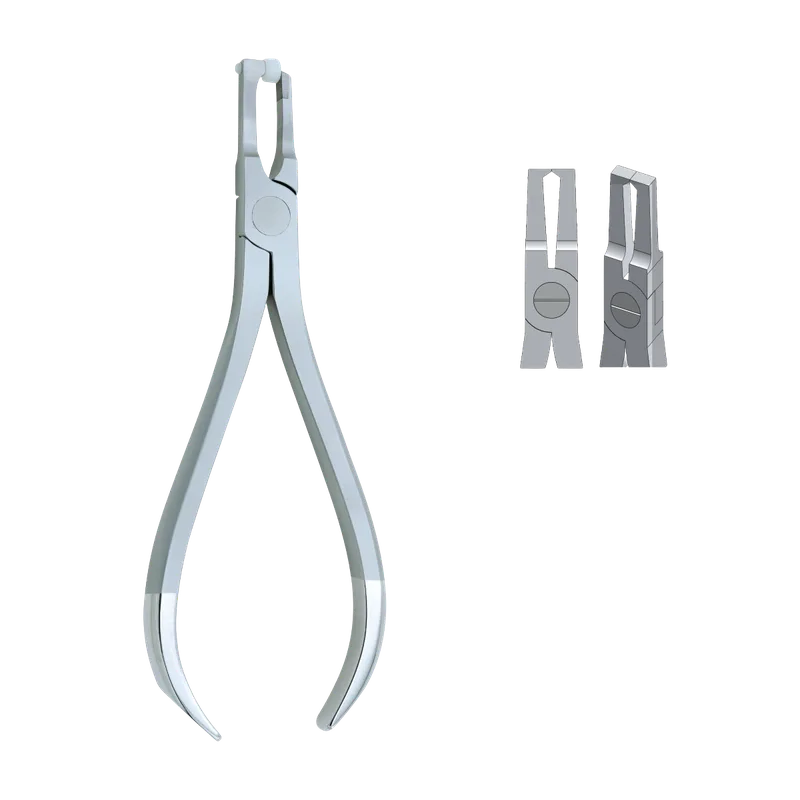
Direct Bond Bracket Remover Plier
EI-0684
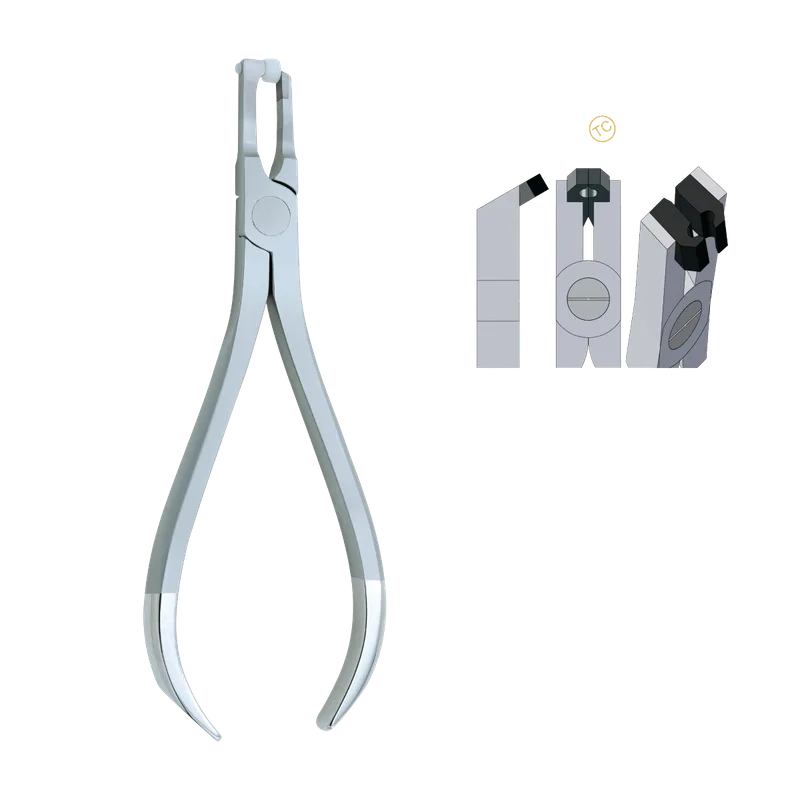
Angulated Debonding Pliers (TC)
EI-0685
Adhesive Removing Pliers (TC)
EI-0686
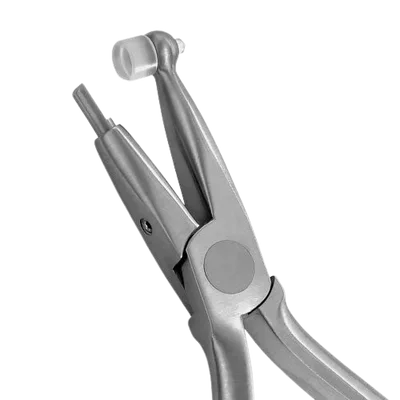
Adhesive Remover Changeable Parts - 5 Sets (Carbide Tip + Teflon Pad)
EI-0687
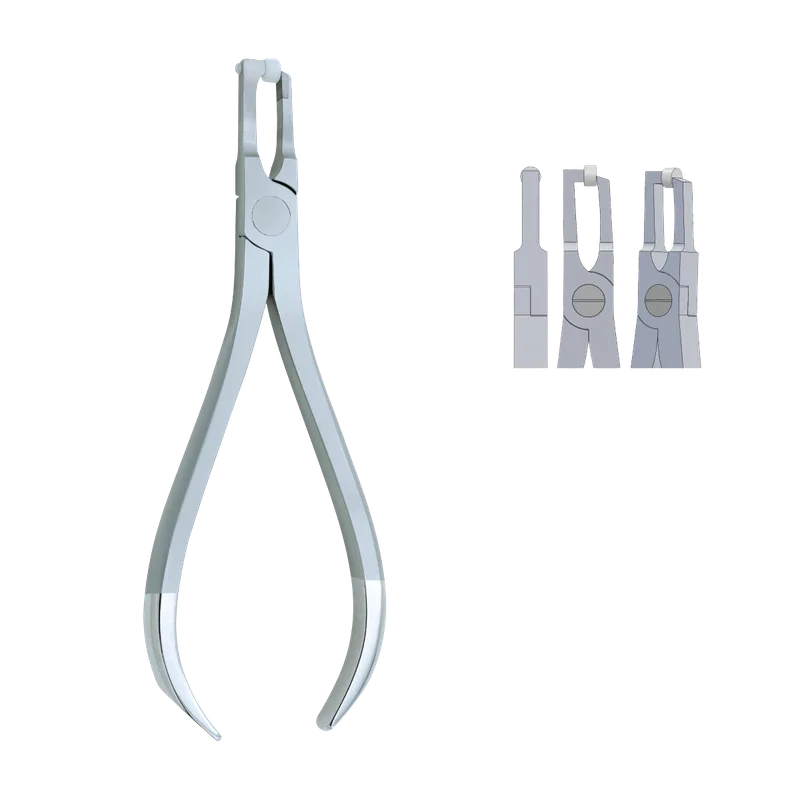
Posterior Band Removing Pliers Long Handle
EI-0696
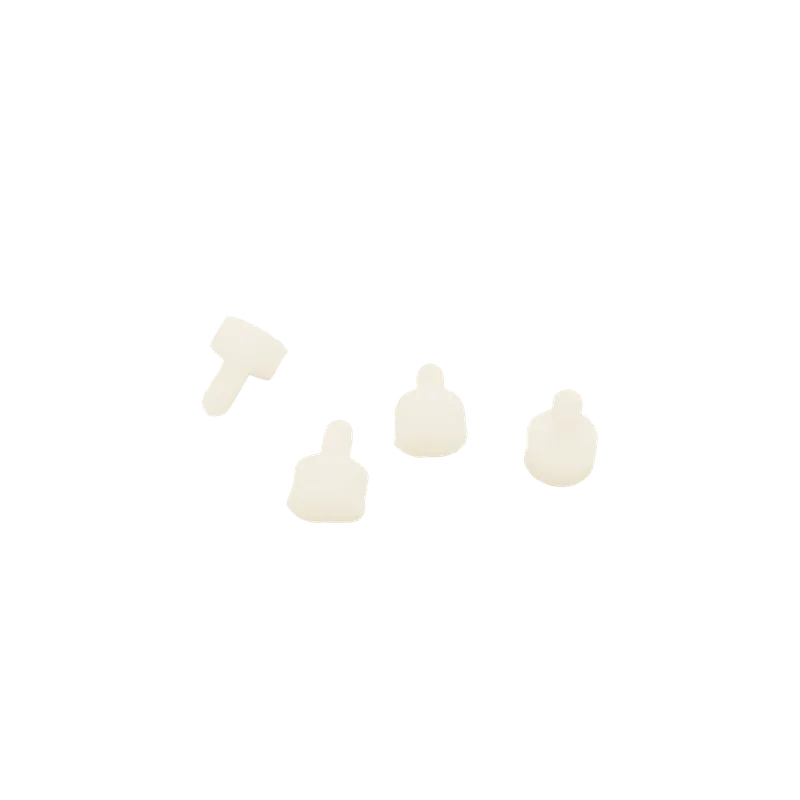
Plastic Replacement Tips for Band Remover (5 pcs)
EI-0697
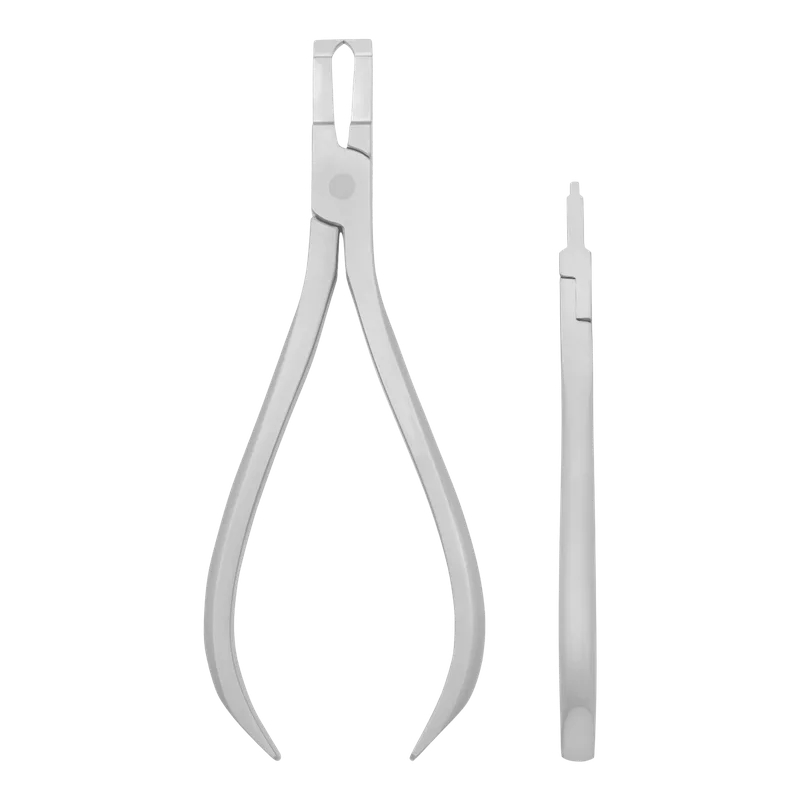
Bracket Remover with Narrow Tip
EI-2579
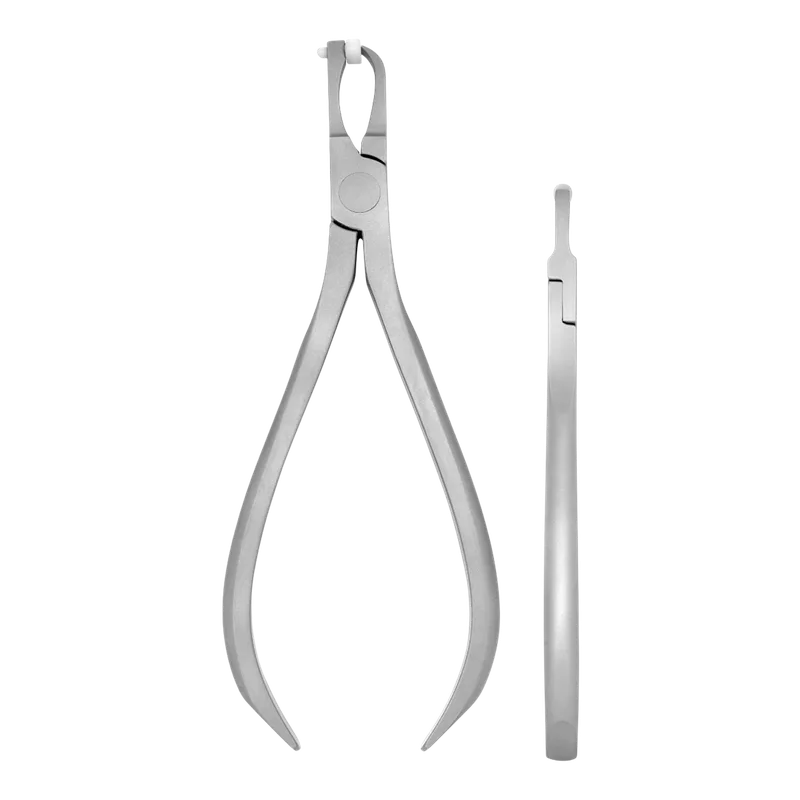
Posterior Band Removing Pliers Long Handle
EI-2580
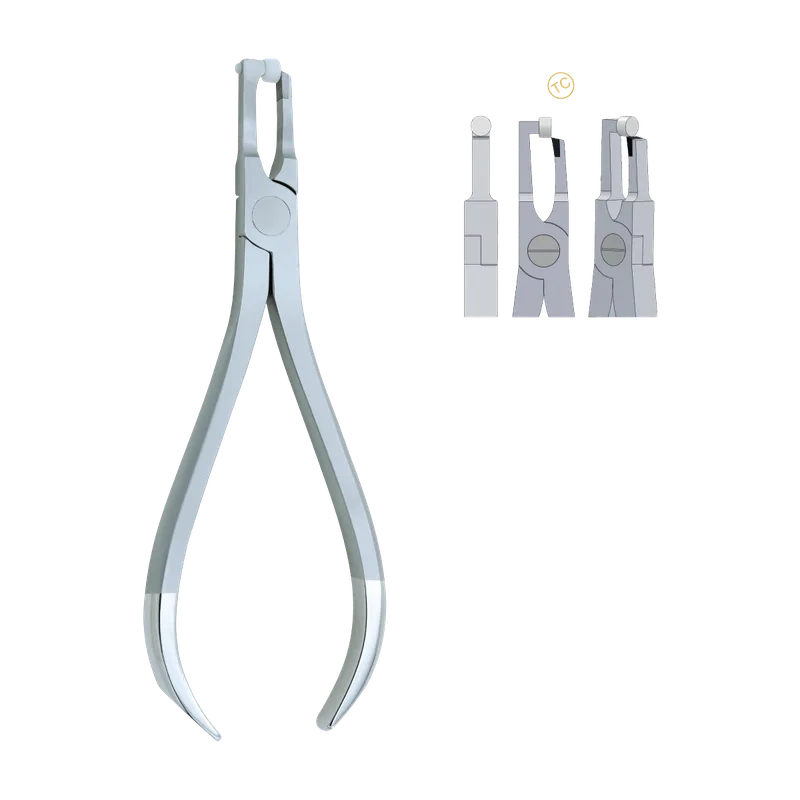
Band Removing Pliers Short - Tungsten Carbide Tipped
EI-2581
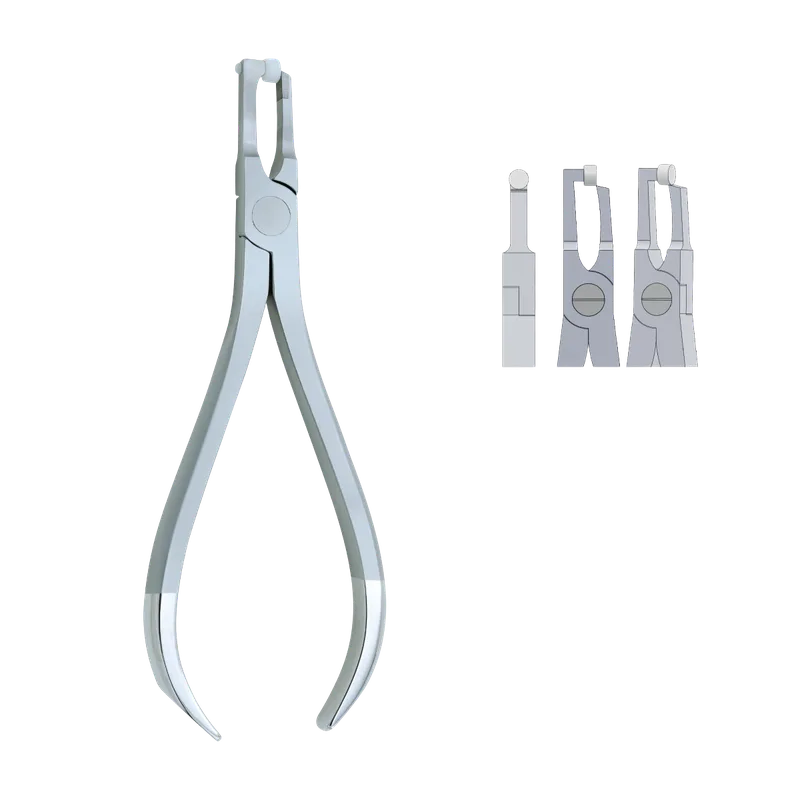
Band Removing Pliers Short
EI-2582
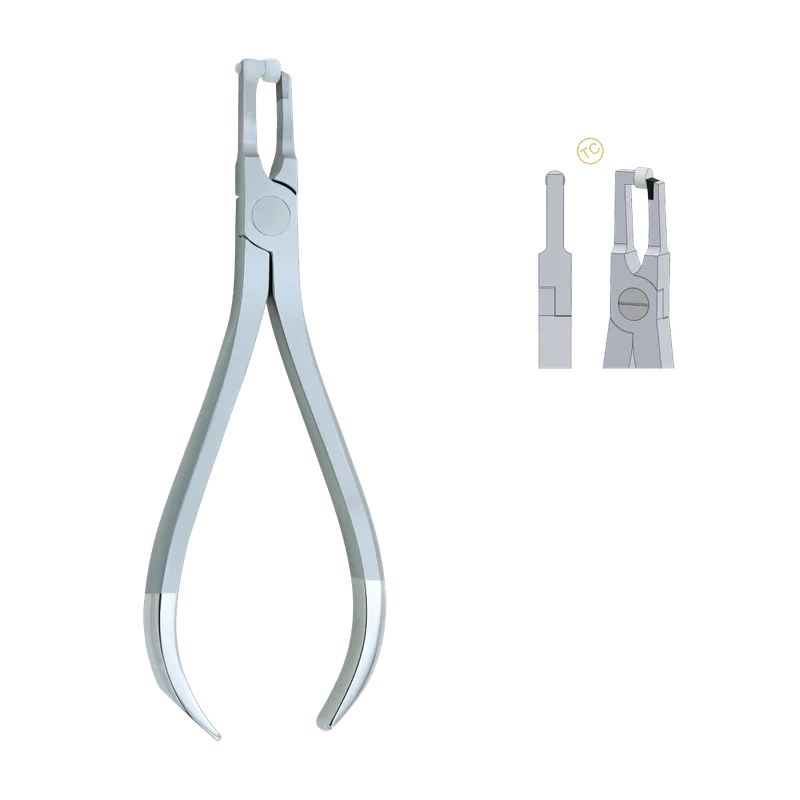
Posterior Band Removing Pliers Long Handle (Tungsten Carbide)
EI-2583
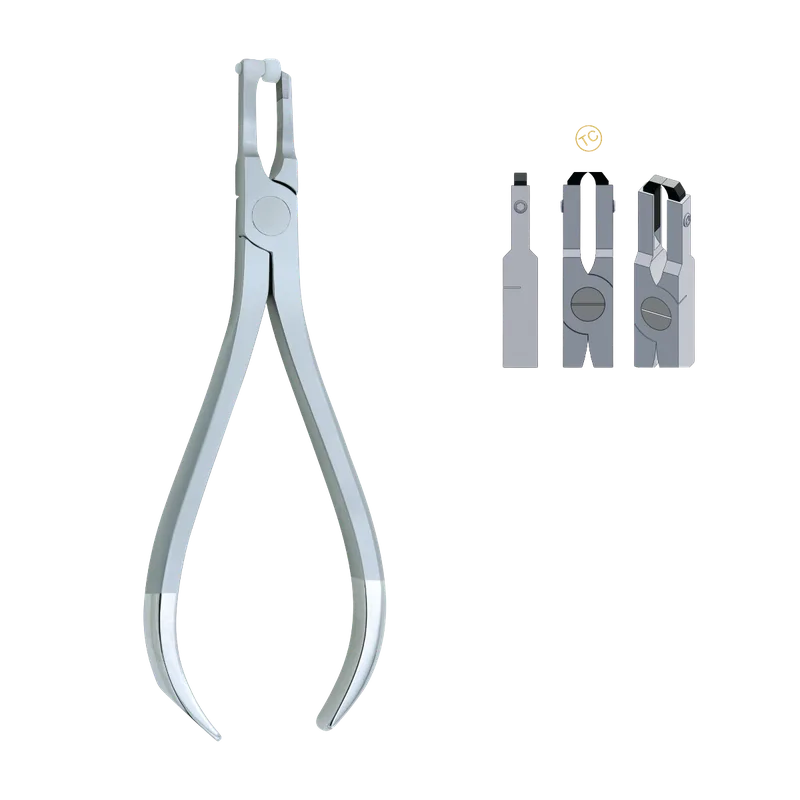
Direct Bond Remover - Wide Tungsten Carbide
EI-2584
Frequently asked questions
What is the difference between a bracket remover and a debonding plier?
They overlap. Bracket removers lift the bracket from the tooth. Debonding pliers sometimes mean wide direct-bond removers or adhesive removers. Check the tip shape and intended bracket type.
Can I remove ceramic brackets with the same pliers as metal?
Not always. Studies show ceramic designs often need specific blade placement, and a dedicated ceramic remover is usually recommended.
How do you remove brackets without damaging enamel?
Use an instrument matched to the bracket, apply controlled force as the maker instructs, and clean adhesive with care. In-vitro data show cracks can still occur.
What pliers remove adhesive after debonding?
An adhesive removing plier takes off bulk composite. A carbide bur gave a better enamel surface than the plier in one in-vitro study.
Are tungsten carbide bracket removers worth it?
Carbide tips hold their shape longer, which suits frequent debonding. They are more brittle if dropped.
What is a band removing plier?
A plier with a cushioned tip that lifts cemented molar bands from the occlusal edge.
How many debonding pliers does a practice need?
Usually one angled remover per operatory and a ceramic remover if ceramic brackets are used.
References
- The use of debonding pliers in the removal of ceramic brackets: force levels and enamel cracks, AJO-DO, 1995
- Enamel cracks and ceramic bracket failure during debonding in vitro, The Angle Orthodontist, 2008
- Debonding of orthodontic ceramic brackets: a comprehensive review of the literature, Part 1
- Enamel surface after bracket debonding and adhesive removal with tungsten carbide bur, steel bur and adhesive removing plier, PubMed Central
- CDC, Guidelines for Infection Control in Dental Health-Care Settings, 2003 (MMWR 52 RR-17)
I am a…