Dental Instruments In Switzerland
Written by the Equate Instruments Technical Team · Published ·
Equate Instruments supplies dental hand instruments directly to clinics, dental groups and distributors in Switzerland, with a Regional Executive for DACH. Switzerland had 4,089 dental practices at the end of 2021 (Swiss Federal Statistical Office).
Key points
- Medical devices in Switzerland are overseen by Swissmedic.
- Equate sells direct to Switzerland, with a named Regional Executive for DACH.
Dentists in Switzerland at a glance
- Practising dentists: 4,180 (2014) to 4,337 (2018)
- +3.8% since 2014
- Practising dentists: 4,180 (2014) to 4,337 (2018)
- Eurostat (dataset hlth_rs_prs2, Health personnel), 2018
- Switzerland had 4,089 dental practices at the end of 2021 (Swiss Federal Statistical Office).
- 4,089
- Switzerland had 4,089 dental practices at the end of 2021 (Swiss Federal Statistical Office).
- Bundesamt für Statistik (BFS), 2021
- WHO reported 4,217 dentists in Switzerland in 2016, or 5.0 per 10,000 population (WHO).
- 5
- WHO reported 4,217 dentists in Switzerland in 2016, or 5.0 per 10,000 population (WHO).
- World Health Organization, 2016
- dental schools listed
- 4
- dental schools listed
- Equate research
- Untreated caries, age 5+40.3%
- Severe periodontal disease, 15+20.1%
- No natural teeth, 20+8.9%
The dark line marks the median of Equate's 22 markets. Source: WHO Oral Health Country Profiles 2022 (2019 estimates).
How many dentists are there in Switzerland?
The number of practising dentists in Switzerland rose 3.8%, from 4,180 in 2014 to 4,337 in 2018 (Eurostat (dataset hlth_rs_prs2, Health personnel)).
WHO reported 4,217 dentists in Switzerland in 2016, or 5.0 per 10,000 population (WHO).
See how Switzerland compares with Equate's other markets in dentists per 10,000 people across 21 countries.
What is the state of oral health in Switzerland?
In 2019, an estimated 26.4% of children aged 1–9 in Switzerland had untreated caries of the deciduous teeth (WHO).
In 2019, an estimated 40.3% of people aged 5 and over in Switzerland had untreated caries of the permanent teeth (WHO).
In 2019, the estimated prevalence of severe periodontal disease among people aged 15 and over in Switzerland was 20.1% (WHO).
In 2019, an estimated 8.9% of people aged 20 and over in Switzerland were edentulous (WHO).
In 2020, the incidence of lip and oral cavity cancer in Switzerland was 3.9 per 100,000 population (WHO).
In 2022, 44% of the Swiss population had a complete natural dentition, compared with 33% in 2002 (Swiss Federal Statistical Office).
In 2022, 71% of people in Switzerland rated their oral and dental health as good or very good (Swiss Federal Statistical Office).
How are dental instruments regulated in Switzerland?
Switzerland's completely revised Medical Devices Ordinance (MedDO) came into force on 26 May 2021, aligning Swiss rules with the EU Medical Device Regulation (Swissmedic).
Because the Switzerland–EU Mutual Recognition Agreement was not updated, Swissmedic introduced transitional measures, including registration of economic operators and the Swiss Single Registration Number (CHRN) (Swissmedic).
In Switzerland, medical devices are classified into classes I, IIa, IIb and III under Art. 15 of the Medical Devices Ordinance (MedDO), and the manufacturer is responsible for classifying them correctly (Swissmedic).
Under Switzerland's MedDO, a device's risk class is determined from its intended purpose using Annex VIII of the EU MDR (Swissmedic).
In Switzerland, medical devices do not go through an official authorisation procedure; Switzerland follows the EU system of conformity assessment, carried out by private bodies (Swissmedic).
The authority responsible for medical devices in Switzerland is Swissmedic.
Most-searched Equate instruments for Switzerland
All products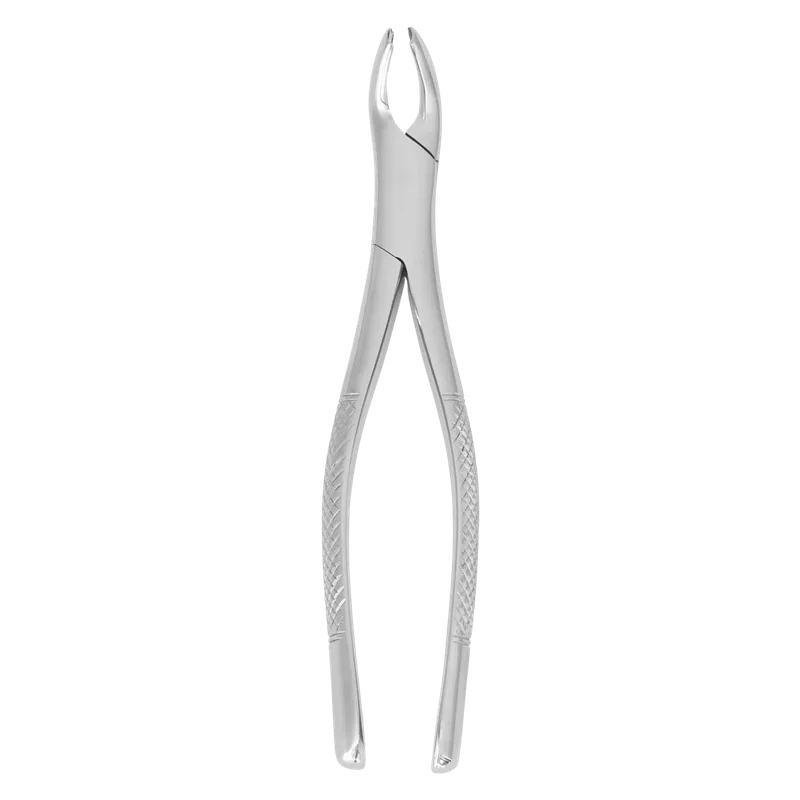
extraction forceps
Extracting Forceps American Pattern Fig.17 - Lower Molars
EI-1414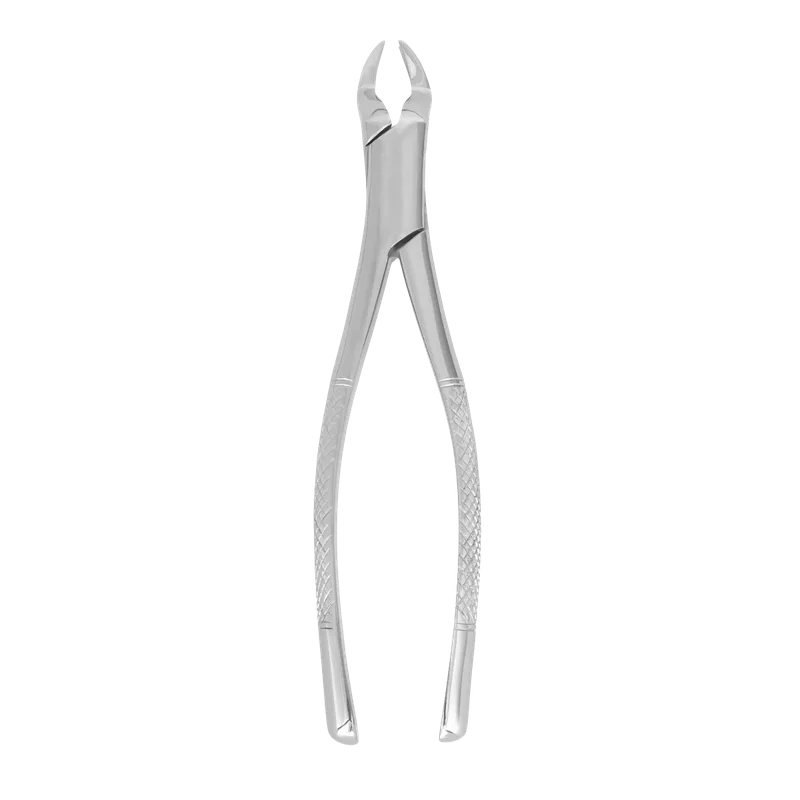
extraction forceps
Extracting Forceps Fig.88R Upper Molars Right - American Pattern Cowhorn
EI-1428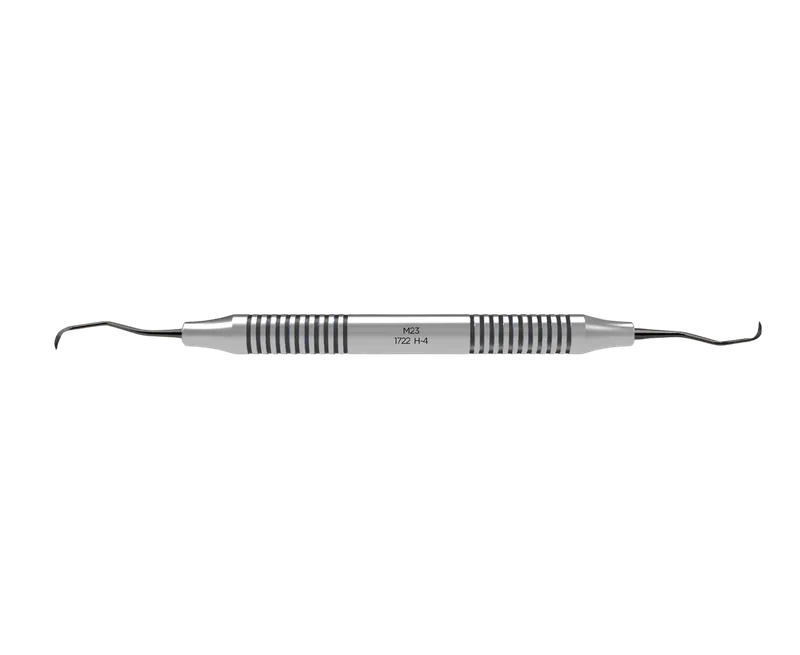
hand scalers
M23 Sickle Scaler - Sharpen-Free
EI-0250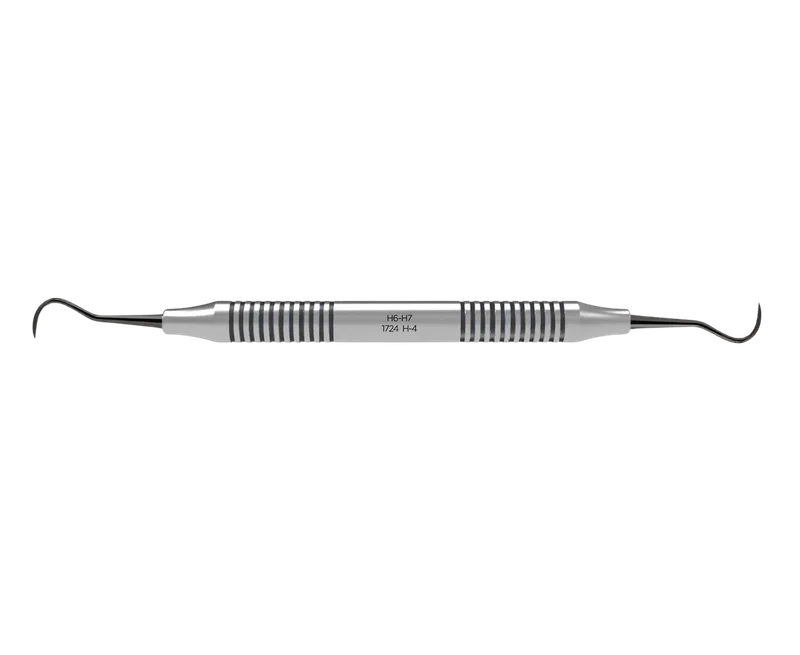
hand scalers
H6-H7 Anterior Sickle Scaler
EI-0251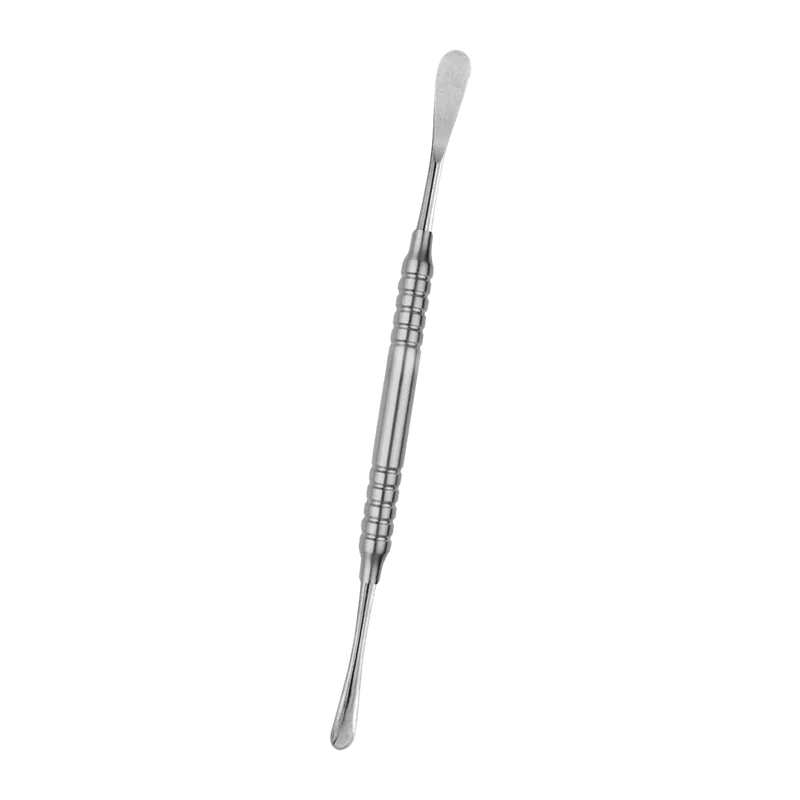
dental elevators and luxators
Periosteal Molt 7/5mm 18.5cm Hollow Handle 10mm
EI-0140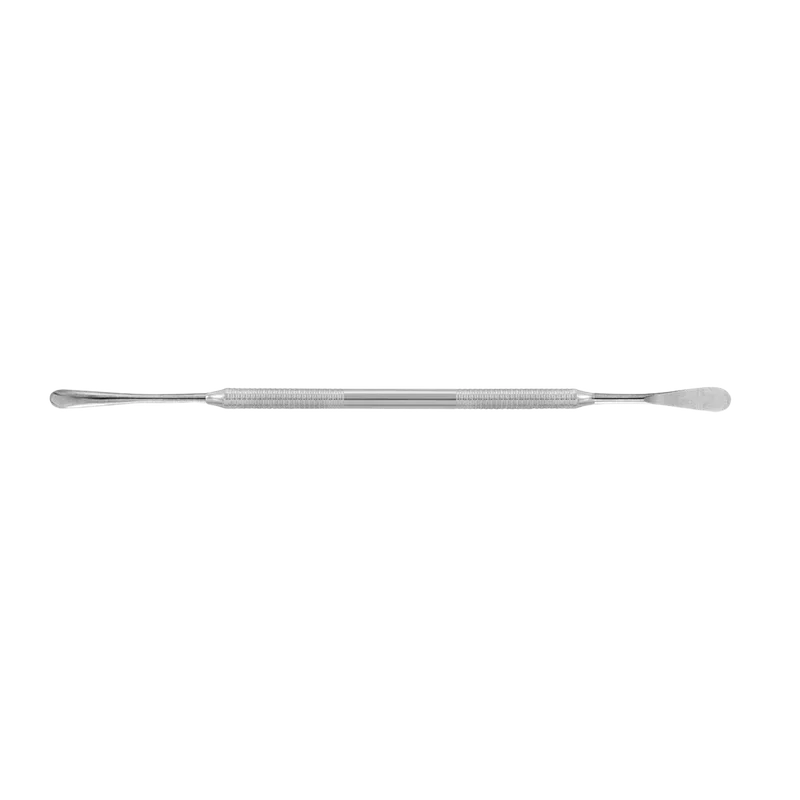
dental elevators and luxators
Molt Periosteal Elevator, 7mm/5mm Ends, Solid Handle
EI-0214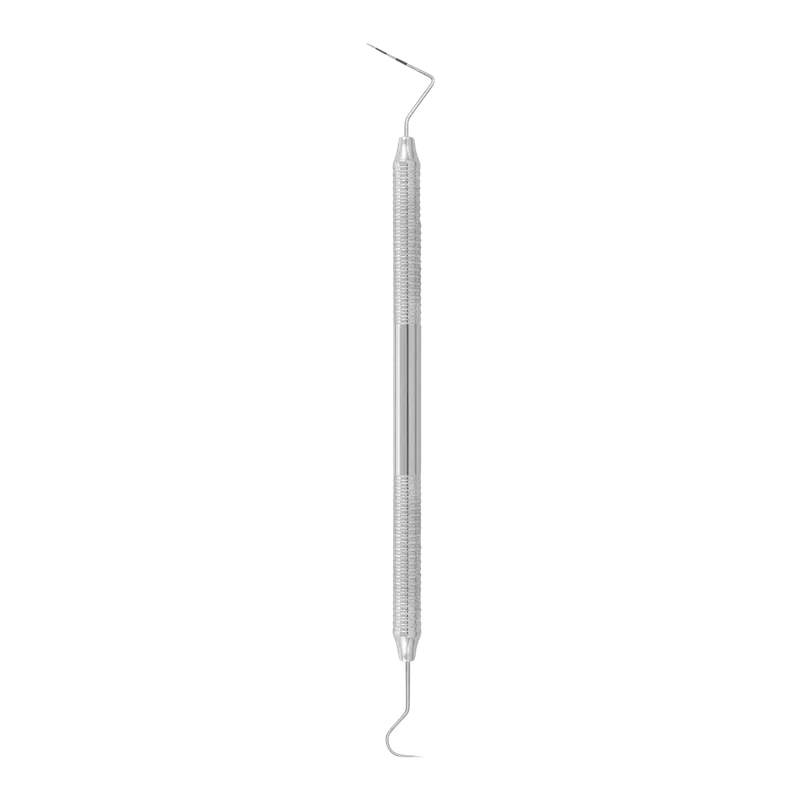
periodontal probes
Periodontal Probe CP12/#23 - Solid Knurled Handle
EI-0081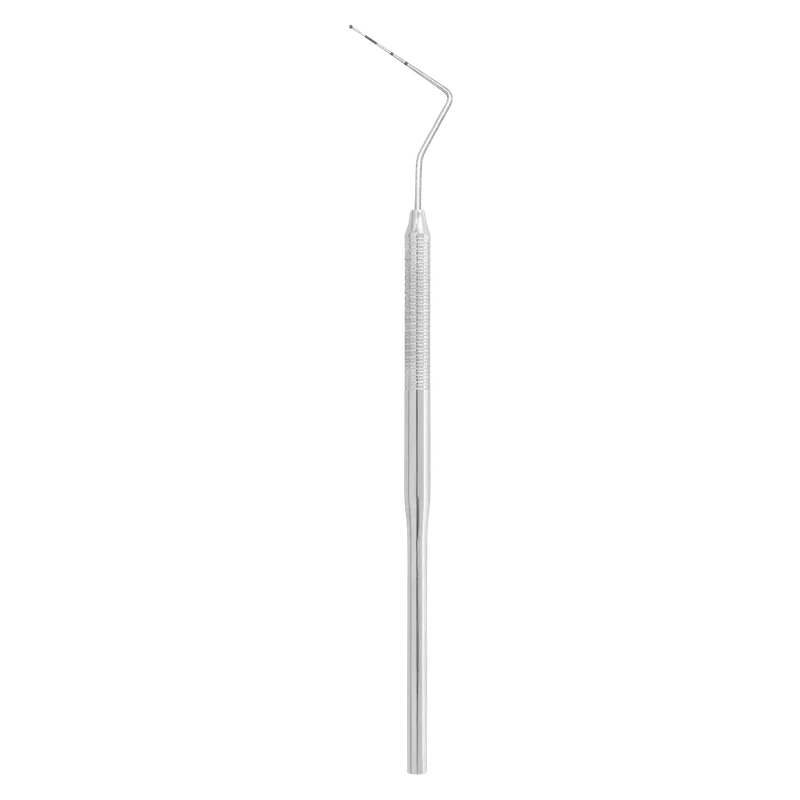
periodontal probes
WHO CPI Periodontal Probe with Ball Tip - 6 mm Solid Handle
EI-0183
What are the rules for cleaning and sterilising dental instruments in Switzerland?
In 2025, the Swiss cantons and Swissmedic presented a draft 'Good Practice for Reprocessing Medical Devices in Outpatient Healthcare Facilities' (GPA-ambulant) as the successor to the KIGAP 1.0 guideline first published in 2010 (Swissmedic).
Where can you study dentistry in Switzerland?
Switzerland has 4 dental schools listed here, in Basel, Bern, Geneva and Zurich.
Dental studies in Switzerland are federally regulated and last five years: a three-year bachelor's and a two-year master's, followed by the federal examination in dentistry (University of Bern).
| School | City | Founded | Degree |
|---|---|---|---|
| University of Basel | Basel | Master of Dental Medicine | |
| University of Bern | Bern | Master of Dental Medicine | |
| University of Geneva | Geneva | Master of Dental Medicine | |
| University of Zurich | Zurich | Master of Dental Medicine |
What are the milestones in Switzerland's dental history?
- The Swiss Dental Association was founded in 1886 under the name Société suisse des Odontologistes, abbreviated SSO (SSO Lucerne section).
Which organisations represent dentists in Switzerland?
- Schweizerische Zahnärzte-Gesellschaft SSO (Swiss Dental Association) (association)
- Swissmedic (regulator)
What do dentists in Switzerland search for?
Search data for Switzerland alone isn't published; these are the instrument searches across the English-language markets Equate tracks (Europe and North America), in Google Keyword Planner bands, October 2025 to September 2026.
| Instrument | Searches a month (band) | Most searched term |
|---|---|---|
| Dental Extraction Forceps | 50,350 | dental forceps |
| Dental Scalers (Hand Scalers) | 43,200 | dental scaler |
| Dental Elevators and Luxators | 40,550 | dental elevator |
| Periodontal Probes | 35,600 | dental perio probe |
| Restorative Dental Hand Instruments | 24,000 | acorn burnisher |
| Dental and Oral Surgery Retractors | 20,900 | cheek retractors |
How are teeth numbered in Switzerland?
Dentists in Switzerland use the FDI two-digit system set out in ISO 3950, where 11 is the upper right central incisor and 48 the lower right third molar.
What do national dental surveys show in Switzerland?
- Swiss Health Survey 2022 (Schweizerische Gesundheitsbefragung): oral and dental health (Bundesamt für Statistik (BFS), 2022): In 2022, 56% of people in Switzerland had visited a dentist in the past year, down from 62% in 2002, while dental hygienist visits rose from 37% to 58% (Swiss Federal Statistical Office).
How is dental care organised and paid for in Switzerland?
In Switzerland, dental treatment is generally not a mandatory benefit of compulsory health insurance; it is covered only for severe, unavoidable diseases of the masticatory system or in connection with a severe general illness (Federal Office of Public Health).
Swiss compulsory health insurance does not cover routine fillings for caries or orthodontic correction such as children's braces; the covered indications are listed exhaustively in Articles 17 to 19a of the KLV (Federal Office of Public Health).
Total expenditure on dental healthcare in Switzerland was estimated at US$4,219 million in 2019, or US$494 per person (WHO).
Which dental instruments does Equate supply to Switzerland?
Equate's instrument guides for Switzerland cover dental curettes, dental elevators and luxators, dental explorers, extraction forceps, mouth mirrors, surgical retractors, hand scalers, periodontal probes, restorative hand instruments, spoon excavators and tooth extraction instruments.
Why do dental practices in Switzerland work with Equate?
- Direct from the manufacturer: practices in Switzerland order 3,375 instrument references without a distributor mark-up in between.
- Built to one specification across the range: passivated stainless steel, ultrasonically cleaned, shape-, boil- and performance-tested and individually packed.
- A named Regional Executive for DACH handles quotes, samples and volume pricing for private practices and university dental clinics in Switzerland.
- Clinics in Switzerland can request samples and a quote before committing to a full order.
Social listening
What dental professionals and students across DACH discuss online
Cost of student instrument kits
CriticalGerman dental students say what they spend on preclinical and clinical kits varies a lot by university, from about a thousand euros to several thousand. Schools that lend the costly items (handpieces, articulators, phantom heads) leave students paying mainly for small hand instruments and consumables.
- Zahnmedizin Kosten· MEDI-LEARN forum, 2010
- Vorklinisches Instrumentarium gesucht!!· MEDI-LEARN forum, 2006
Buying used instruments and checking wear
MixedStudents commonly buy and resell kits from older semesters and generally see this as safe, because course sets have seen few clinical uses. The advice is to check scalers and curettes closely: they can only be resharpened a limited number of times, and bad sharpening ruins them.
- Klinikinstrumente gebraucht kaufen??· MEDI-LEARN forum, 2014
- Klinikkoffer Dental Instrumente Zahnmedizin Instrumentarium + KFO· MEDI-LEARN forum, 2020
- Vorklinisches Instrumentarium gesucht!!· MEDI-LEARN forum, 2006
Equate's summary of public threads on MEDI-LEARN forum, read 2026-10-27. No posters are named and brand names are left out; thread links are listed in the page's data file.
Equate data
Switzerland in Equate's market data
Switzerland ranks 10 of 22 in the Equate Dental Market Index 2026, with a score of 72.2 out of 100. See the full index
“there are people in Switzerland who forgo dental treatment for financial reasons.”
Your Regional Executive · DACH
Ahmed Wali
Regional Executive, Stuttgart, Germany
Frequently asked questions
Does Swiss basic health insurance pay for the dentist?
Generally not. According to the BAG, compulsory health insurance covers dental treatment only for severe, unavoidable diseases of the masticatory system or in connection with a severe general illness. Routine fillings and children's braces are not covered.
How many dental practices are there in Switzerland?
The Swiss Federal Statistical Office counted 4,089 dental practices at the end of 2021. WHO reported 4,217 dentists in 2016, or 5.0 per 10,000 population.
Which medical device law applies in Switzerland?
The completely revised Medical Devices Ordinance (MedDO) has applied since 26 May 2021 and is aligned with the EU MDR. Swissmedic is the competent authority.
Where can you study dentistry in Switzerland?
Dentistry is offered at the universities of Basel, Bern, Geneva and Zurich. The federally regulated course lasts five years and ends with the federal examination in dentistry.
What guidance covers instrument reprocessing in Swiss dental practices?
The KIGAP 1.0 guideline, first published in 2010, covered practices. In 2025 the cantons and Swissmedic presented a draft successor, GPA-ambulant, for outpatient healthcare facilities.
References
- Eurostat (dataset hlth_rs_prs2, Health personnel) (2018)
- Bundesamt für Statistik (BFS) (2021)
- World Health Organization (2016)
- Bundesamt für Statistik (BFS) (2022)
- Bundesamt für Gesundheit (BAG) (2026)
- Swissmedic (2021)
- Swissmedic (2026)
- Swissmedic (2026)
- Swissmedic (2026)
- Swissmedic (2025)
- Universität Bern (2026)
- Schweizerische Zahnärzte-Gesellschaft, Sektion Luzern (1886)
I am a… in Switzerland