Dental Instruments In Canada
Written by the Equate Instruments Technical Team · Published ·
Dentists and distributors in Canada can buy Equate dental instruments directly from the manufacturer, through the Regional Executive for North America. In 2018, Canada had 23,727 dentists, or 6.4 per 10,000 people (WHO).
Key points
- Medical devices in Canada are overseen by Health Canada.
- Equate sells direct to Canada, with a named Regional Executive for North America.
Dentists in Canada at a glance
- In 2018, Canada had 23,727 dentists, or 6.4 per 10,000 people (WHO).
- 6.4
- In 2018, Canada had 23,727 dentists, or 6.4 per 10,000 people (WHO).
- World Health Organization, 2018
- In 2017, Canada had 53,411 dental assistants and therapists, including dental hygienists, or 14.3 per 10,000 people (WHO).
- 14.3
- In 2017, Canada had 53,411 dental assistants and therapists, including dental hygienists, or 14.3 per 10,000 people (WHO).
- World Health Organization, 2017
- In 2018, Canada had 2,600 dental prosthetic technicians, or 0.7 per 10,000 people (WHO).
- 0.7
- In 2018, Canada had 2,600 dental prosthetic technicians, or 0.7 per 10,000 people (WHO).
- World Health Organization, 2018
- The Canadian Dental Association represents over 21,000 practising dentists across Canada (Canadian Dental Association).
- 21,000
- The Canadian Dental Association represents over 21,000 practising dentists across Canada (Canadian Dental Association).
- Canadian Dental Association, 2026
- dental schools listed
- 10
- dental schools listed
- Equate research
- Untreated caries, age 5+25.1%
- Severe periodontal disease, 15+24.7%
- No natural teeth, 20+7.7%
The dark line marks the median of Equate's 22 markets. Source: WHO Oral Health Country Profiles 2022 (2019 estimates).
How many dentists are there in Canada?
In 2017, Canada had 53,411 dental assistants and therapists, including dental hygienists, or 14.3 per 10,000 people (WHO).
In 2018, Canada had 2,600 dental prosthetic technicians, or 0.7 per 10,000 people (WHO).
The Canadian Dental Association represents over 21,000 practising dentists across Canada (Canadian Dental Association).
See how Canada compares with Equate's other markets in dentists per 10,000 people across 21 countries.
What is the state of oral health in Canada?
In 2019, an estimated 38.9% of children aged 1-9 in Canada had untreated caries of deciduous teeth (WHO).
In 2019, an estimated 25.1% of people aged 5 and over in Canada had untreated caries of permanent teeth (WHO).
In 2019, an estimated 24.7% of people aged 15 and over in Canada had severe periodontal disease (WHO).
In 2019, an estimated 7.7% of people aged 20 and over in Canada had lost all their natural teeth (WHO).
In 2020, Canada had an estimated 2,993 new cases of lip and oral cavity cancer, an incidence of 4.2 per 100,000 (WHO).
In 2007-2009, about 6% of adult Canadians had no natural teeth, according to the Canadian Health Measures Survey (Health Canada).
What do national dental surveys show in Canada?
- Canadian Health Measures Survey, oral health component (Health Canada / Statistics Canada, 2009): In the 2007-2009 Canadian Health Measures Survey, 74% of Canadians had seen a dental professional in the past year and 17% had avoided a visit because of cost (Health Canada).
Most-searched Equate instruments for Canada
All products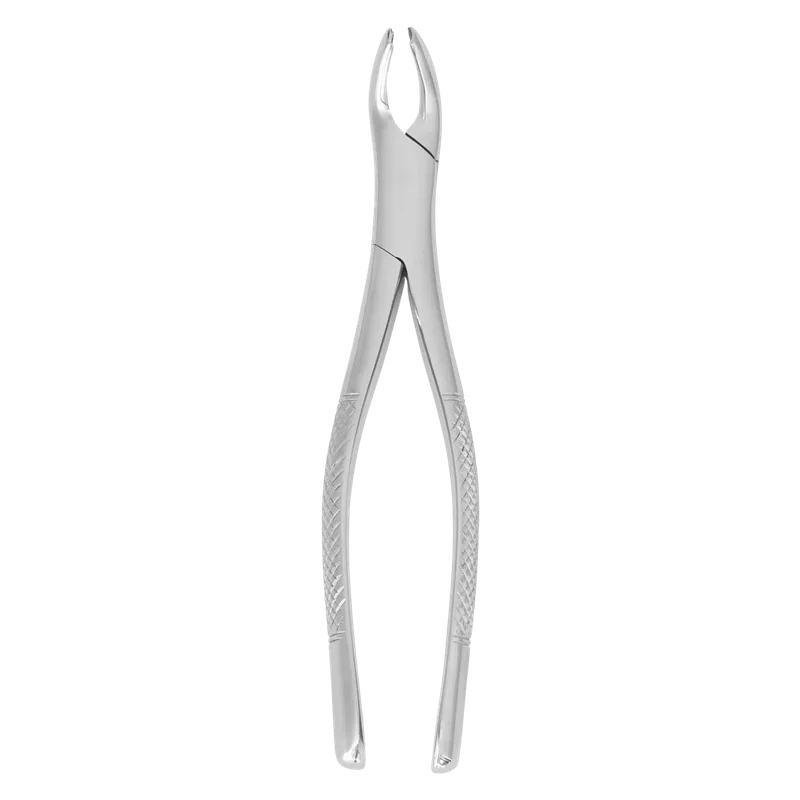
extraction forceps
Extracting Forceps American Pattern Fig.17 - Lower Molars
EI-1414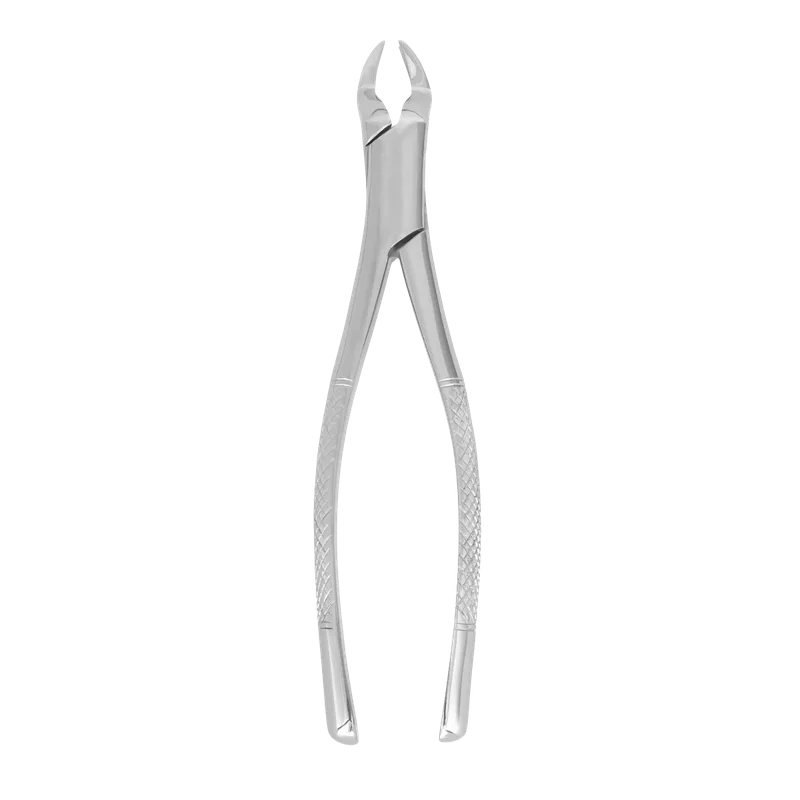
extraction forceps
Extracting Forceps Fig.88R Upper Molars Right - American Pattern Cowhorn
EI-1428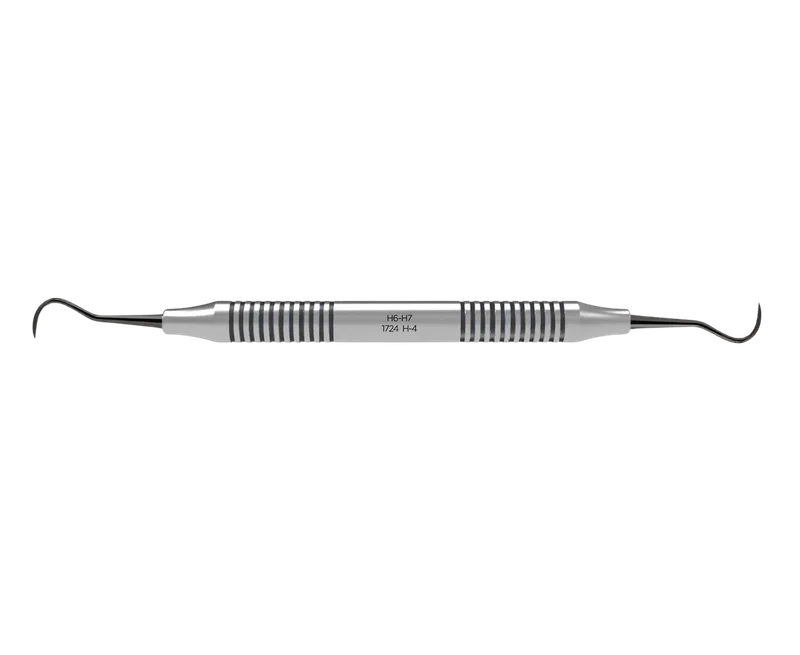
hand scalers
H6-H7 Anterior Sickle Scaler
EI-0251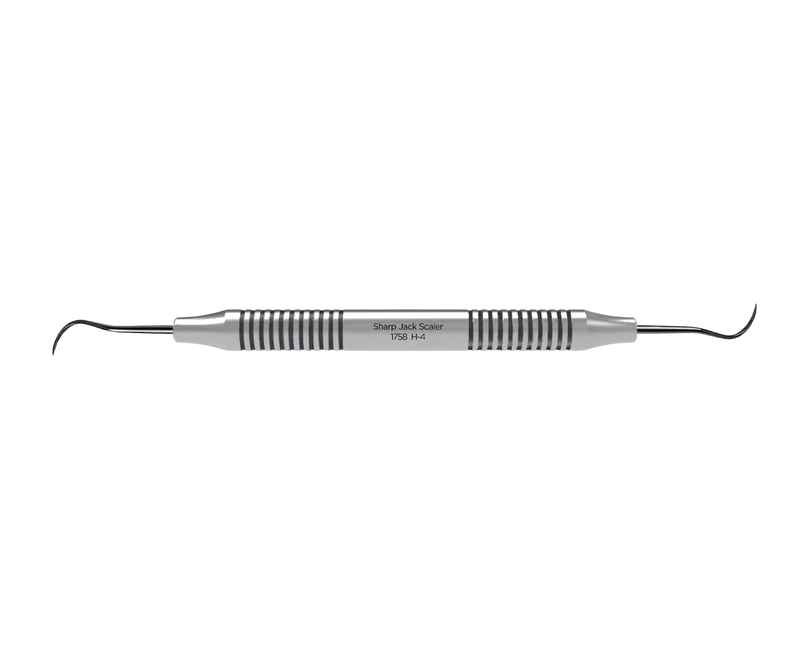
hand scalers
Sharp Jacquette J-Scaler
EI-0253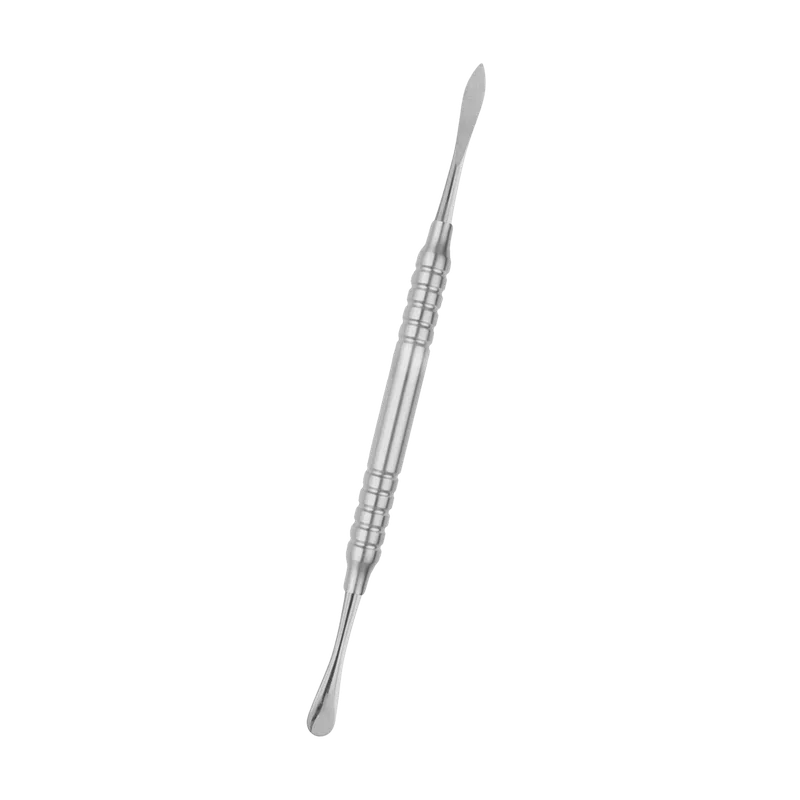
dental elevators and luxators
Molt 9 Periosteal Elevator, 4mm/7mm Ends, Hollow Handle
EI-0066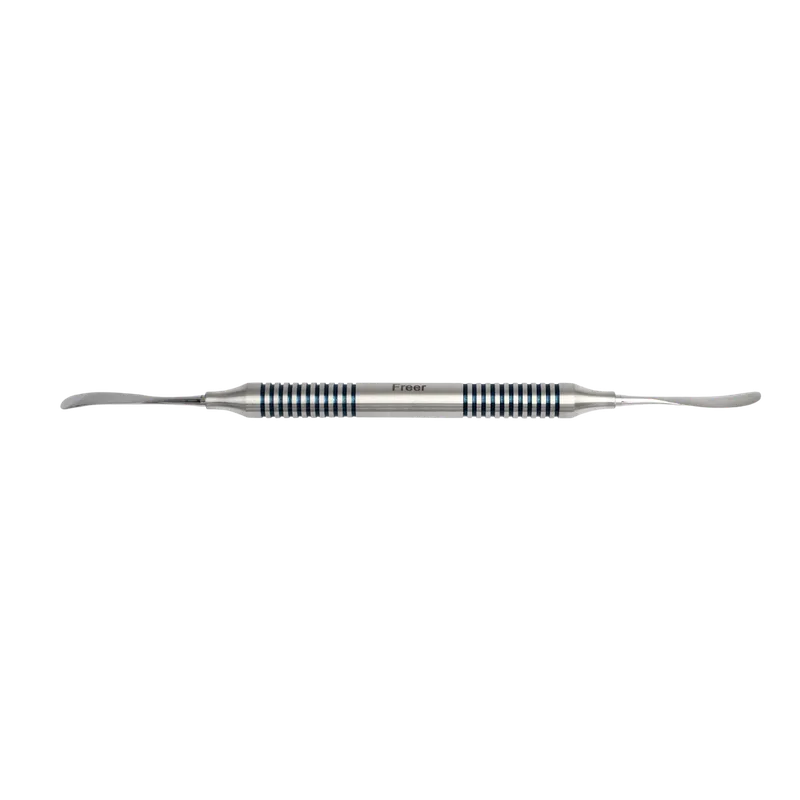
dental elevators and luxators
Freer Double-Ended Periosteal Elevator - Titanium Coated
EI-0069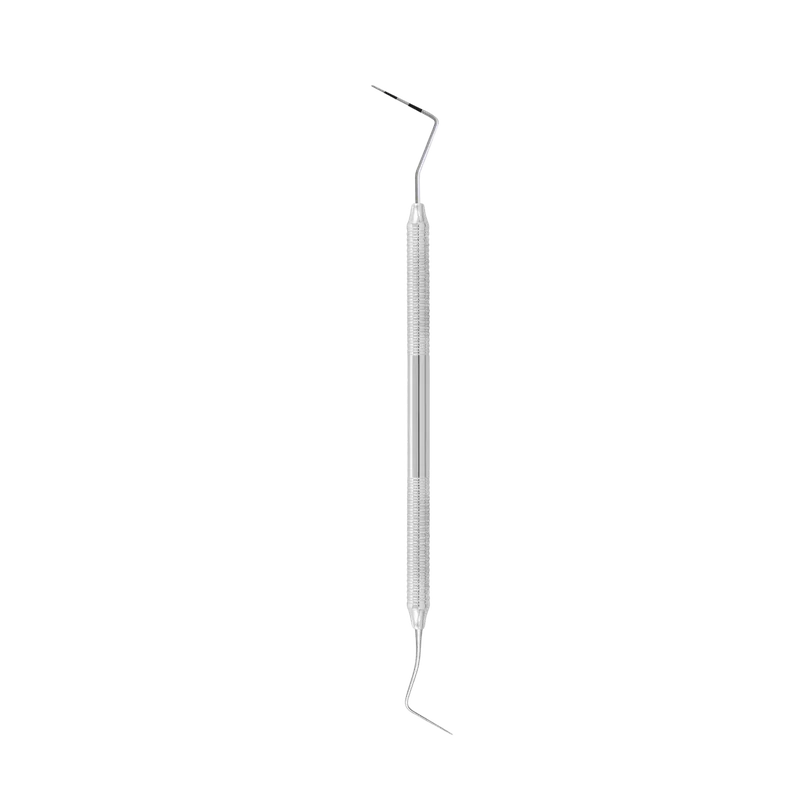
periodontal probes
Expro 9 Explorer and CP-18 Probe Combination - 6 mm Solid Handle
EI-0205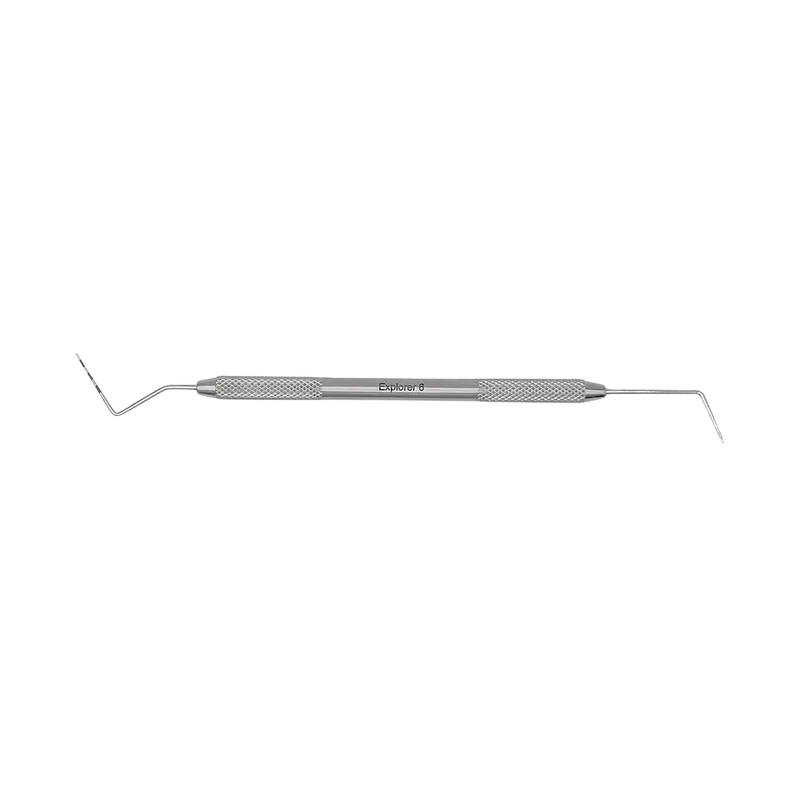
periodontal probes
Probe CP-2 and Explorer #6 - Double-Ended Diagnostic Instrument
EI-0206
How is dental care organised and paid for in Canada?
In Canada, the Canadian Dental Care Plan covers residents with no access to private dental coverage and an adjusted family net income under $90,000 who have filed a Canadian tax return (Government of Canada).
In Canada, there is no fee to apply for or renew Canadian Dental Care Plan coverage (Government of Canada).
In 2019, total Canadian expenditure on outpatient dental care was an estimated US$12,829 million, or US$343 per person (WHO).
How are dental instruments regulated in Canada?
In Canada, medical devices are classified into one of four classes, from Class I (lowest risk) to Class IV (highest risk) (Health Canada).
Under Rule 3 of Health Canada's classification rules, reusable surgical or dental instruments that are not connected to an active device and that cut, drill, scrape, clamp or retract are Class I (Health Canada).
Under Health Canada's rules, a dental instrument that fails a Rule 3 criterion, such as a single-use instrument, is generally Class II (Health Canada).
The authority responsible for medical devices in Canada is Health Canada.
What are the rules for cleaning and sterilising dental instruments in Canada?
In Ontario, the Royal College of Dental Surgeons of Ontario standard Infection Prevention and Control in the Dental Office (November 2018) requires all heat-tolerant reusable critical and semi-critical instruments to be heat-sterilized between uses (RCDSO).
The 2018 RCDSO standard requires a biological indicator (spore test) in a process challenge device each day a sterilizer is used and for each cycle type, and states that its monitoring rules meet or exceed PIDAC and CSA recommendations (RCDSO).
Under the 2018 RCDSO standard, chemiclaves and bead sterilizers are not acceptable sterilization methods in Ontario dental offices; instruments must be steam- or dry-heat sterilized (RCDSO).
Where can you study dentistry in Canada?
Dental degrees in Canada are taught at 10 schools, based in Vancouver, Edmonton, Saskatoon, Winnipeg, London, Toronto, Montreal, Quebec City and Halifax.
| School | City | Founded | Degree |
|---|---|---|---|
| University of British Columbia Faculty of Dentistry | Vancouver | ||
| University of Alberta Faculty of Medicine and Dentistry | Edmonton | 1917 | |
| University of Saskatchewan College of Dentistry | Saskatoon | 1965 | |
| University of Manitoba Faculty of Dentistry | Winnipeg | 1958 | |
| Schulich School of Medicine & Dentistry, Western University | London | 1964 | |
| University of Toronto Faculty of Dentistry | Toronto | 1875 | |
| McGill University Faculty of Dental Medicine and Oral Health Sciences | Montreal | 1904 | |
| Université de Montréal Faculté de médecine dentaire | Montreal | 1904 | |
| Université Laval Faculté de médecine dentaire | Quebec City | 1967 | |
| Dalhousie University Faculty of Dentistry | Halifax | 1908 |
What are the milestones in Canada's dental history?
- The University of Toronto Faculty of Dentistry was opened in 1875 by the Royal College of Dental Surgeons of Ontario as Canada's first dental school (University of Toronto).
- The Université de Montréal Faculty of Dental Medicine was founded in February 1904 as the École de chirurgie dentaire de Montréal by Dr. Eudore Dubeau (Université de Montréal).
Which organisations represent dentists in Canada?
- Canadian Dental Association (association)
- Association of Canadian Faculties of Dentistry (association)
- Royal College of Dental Surgeons of Ontario (regulator)
What do dentists in Canada search for?
In North America, Google Keyword Planner shows these instrument searches each month (banded, October 2025 to September 2026).
| Instrument | Searches a month (band) | Most searched term |
|---|---|---|
| Dental Extraction Forceps | 46,700 | dental forceps |
| Dental Scalers (Hand Scalers) | 42,250 | dental scaler |
| Dental Elevators and Luxators | 39,500 | dental elevator |
| Periodontal Probes | 34,650 | dental perio probe |
| Restorative Dental Hand Instruments | 23,100 | acorn burnisher |
| Dental and Oral Surgery Retractors | 20,450 | cheek retractors |
How are teeth numbered in Canada?
Dentists in Canada use the FDI two-digit system set out in ISO 3950, where 11 is the upper right central incisor and 48 the lower right third molar.
Which dental instruments does Equate supply to Canada?
Equate's instrument guides for Canada cover dental curettes, dental elevators and luxators, dental explorers, extraction forceps, mouth mirrors, surgical retractors, hand scalers, periodontal probes, restorative hand instruments, spoon excavators and tooth extraction instruments.
City guides: Edmonton, Halifax, London, Montreal, Ottawa, Quebec City, Saskatoon, Toronto, Vancouver and Winnipeg.
Why do dental practices in Canada work with Equate?
- Buyers in Canada deal with the manufacturer itself, choosing from 3,375 instrument references.
- Each reference is passivated stainless steel, ultrasonically cleaned, shape-, boil- and performance-tested and individually packed, whatever the pattern.
- A named Regional Executive for North America handles quotes, samples and volume pricing for private practices and DSOs and dental schools and hospital clinics in Canada.
- Samples are available, so a clinic in Canada can test an instrument before ordering in volume.
Equate data
Canada in Equate's market data
Canada ranks 14 of 22 in the Equate Dental Market Index 2026, with a score of 57.8 out of 100. See the full index
“For many patients, care is finally within reach”
“there is growing recognition that oral health is inseparable from overall health”
Your Regional Executive · North America
Ahmed Kamal
Regional Executive, Long Island, NY
Frequently asked questions
How many dentists are there in Canada?
WHO data show 23,727 dentists in Canada in 2018, or 6.4 per 10,000 people. The Canadian Dental Association says it represents over 21,000 practising dentists.
Who qualifies for the Canadian Dental Care Plan?
Canadian residents for tax purposes with no access to private dental coverage, who filed a tax return, and whose adjusted family net income is under $90,000 can qualify. There is no fee to apply.
How are dental instruments classified in Canada?
Canada uses four device classes. Reusable dental instruments that are not connected to an active device and that cut, drill, scrape, clamp or retract are Class I under Rule 3; single-use ones are generally Class II.
How many dental schools does Canada have?
The Association of Canadian Faculties of Dentistry lists 10 member dental schools, in Vancouver, Edmonton, Saskatoon, Winnipeg, London, Toronto, Montreal (two), Quebec City and Halifax.
How common is gum disease in Canada?
WHO estimates that in 2019, 24.7% of people aged 15 and over in Canada had severe periodontal disease, and 25.1% of people aged 5 and over had untreated caries of permanent teeth.
What was Canada's first dental school?
The Royal College of Dental Surgeons of Ontario opened Canada's first dental school in Toronto in 1875; it is today the University of Toronto Faculty of Dentistry.
References
I am a… in Canada