Dental Instruments In The United States
Written by the Equate Instruments Technical Team · Published ·
Dentists and distributors in the United States can buy Equate dental instruments directly from the manufacturer, through the Regional Executive for North America. In 2025, the United States had 205,088 professionally active dentists (ADA Health Policy Institute).
Key points
- Medical devices in the United States are overseen by US Food and Drug Administration.
- Equate sells direct to the United States, with a named Regional Executive for North America.
Dentists in the United States at a glance
- Dentists in the US (ADA HPI supply series): 163,409 (2001) to 202,485 (2024)
- +23.9% since 2001
- Dentists in the US (ADA HPI supply series): 163,409 (2001) to 202,485 (2024)
- American Dental Association Health Policy Institute, 2024
- In 2025, the United States had 205,088 professionally active dentists (ADA Health Policy Institute).
- 205,088
- In 2025, the United States had 205,088 professionally active dentists (ADA Health Policy Institute).
- American Dental Association Health Policy Institute, 2025
- In 2025, the United States had 60.0 dentists per 100,000 people, with ratios varying by state (ADA Health Policy Institute).
- 60
- In 2025, the United States had 60.0 dentists per 100,000 people, with ratios varying by state (ADA Health Policy Institute).
- American Dental Association Health Policy Institute, 2025
- In 2025, 39.4% of US dentists were women and 21.2% were specialists (ADA Health Policy Institute).
- 39.4
- In 2025, 39.4% of US dentists were women and 21.2% were specialists (ADA Health Policy Institute).
- American Dental Association Health Policy Institute, 2025
- dental schools listed
- 15
- dental schools listed
- Equate research
- Untreated caries, age 5+24.3%
- Severe periodontal disease, 15+15.7%
- No natural teeth, 20+10.2%
The dark line marks the median of Equate's 22 markets. Source: WHO Oral Health Country Profiles 2022 (2019 estimates).
How many dentists are there in the United States?
The number of dentists in the US (ADA HPI supply series) in the United States rose 23.9%, from 163,409 in 2001 to 202,485 in 2024 (American Dental Association Health Policy Institute).
In 2025, the United States had 60.0 dentists per 100,000 people, with ratios varying by state (ADA Health Policy Institute).
In 2025, 39.4% of US dentists were women and 21.2% were specialists (ADA Health Policy Institute).
The ADA reports 222,740 dental hygienists and 387,790 dental assistants in the United States, citing US Bureau of Labor Statistics data (ADA Health Policy Institute).
See how the United States compares with Equate's other markets in dentists per 10,000 people across 21 countries.
What is the state of oral health in the United States?
In 2019, an estimated 42.6% of children aged 1-9 in the United States had untreated caries of deciduous teeth (WHO).
In 2019, an estimated 24.3% of people aged 5 and over in the United States had untreated caries of permanent teeth (WHO).
In 2019, an estimated 15.7% of people aged 15 and over in the United States had severe periodontal disease (WHO).
In 2019, an estimated 10.2% of people aged 20 and over in the United States had lost all their natural teeth (WHO).
In 2020, the United States had an estimated 24,470 new cases of lip and oral cavity cancer, an incidence of 4.2 per 100,000 (WHO).
Which organisations represent dentists in the United States?
- American Dental Association (association)
Most-searched Equate instruments for the United States
All products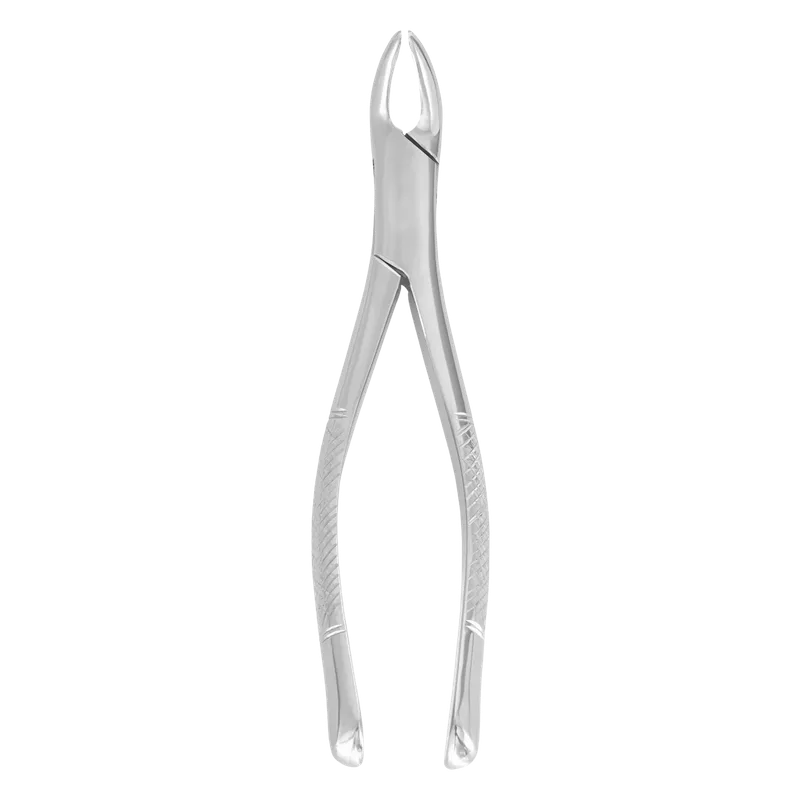
extraction forceps
Extracting Forceps American Pattern Fig.151 Lower Premolars, Incisors & Roots, Universal
EI-1435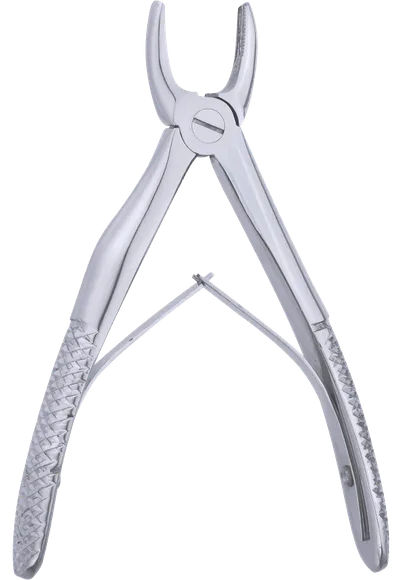
extraction forceps
Children's Extraction Forceps - Upper Incisors 10cm (Fig. 137)
EI-0609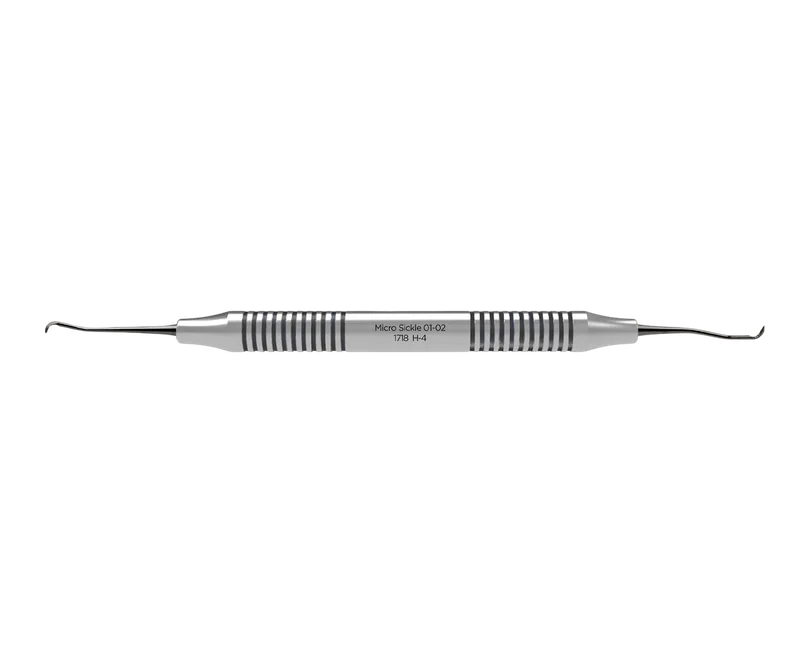
hand scalers
Micro Sickle Scaler 01/02
EI-0249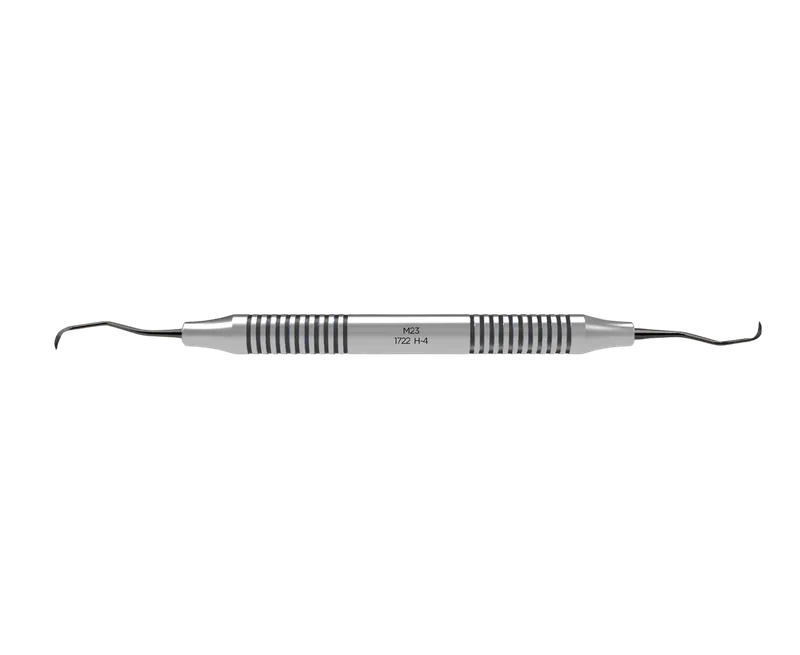
hand scalers
M23 Sickle Scaler - Sharpen-Free
EI-0250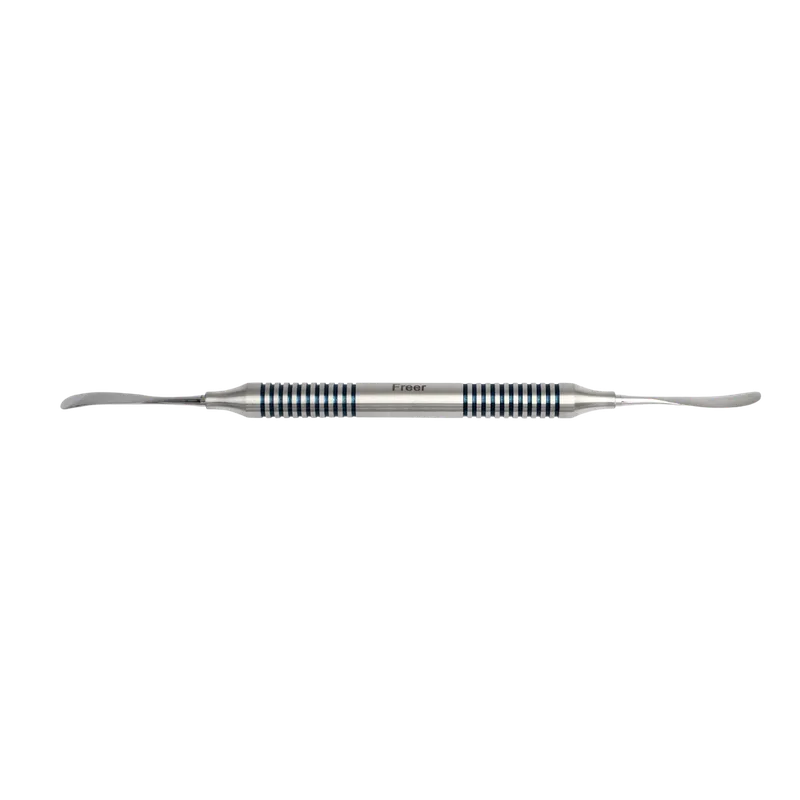
dental elevators and luxators
Freer Double-Ended Periosteal Elevator - Titanium Coated
EI-0069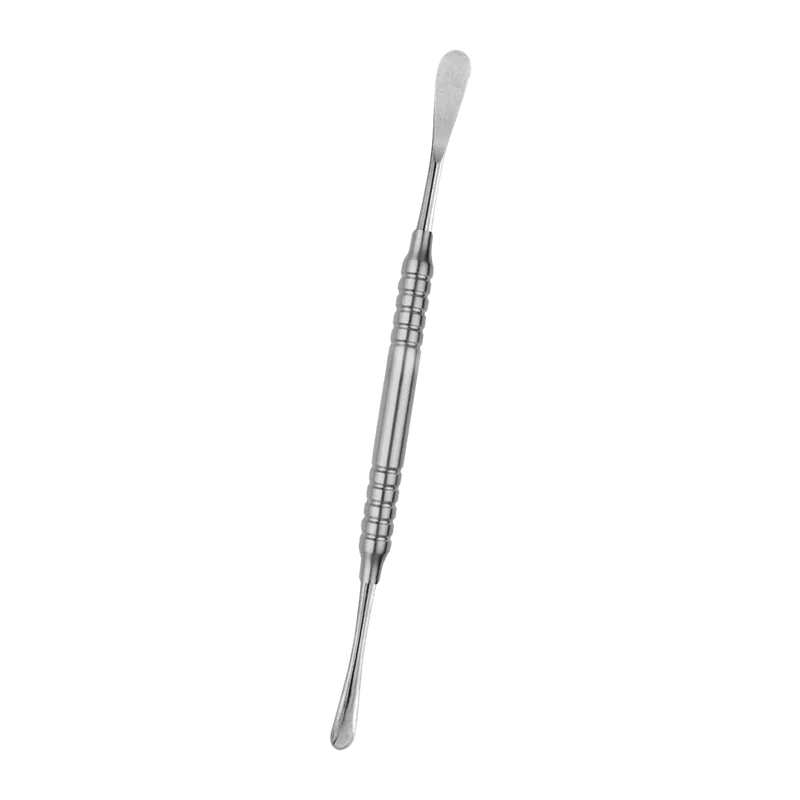
dental elevators and luxators
Periosteal Molt 7/5mm 18.5cm Hollow Handle 10mm
EI-0140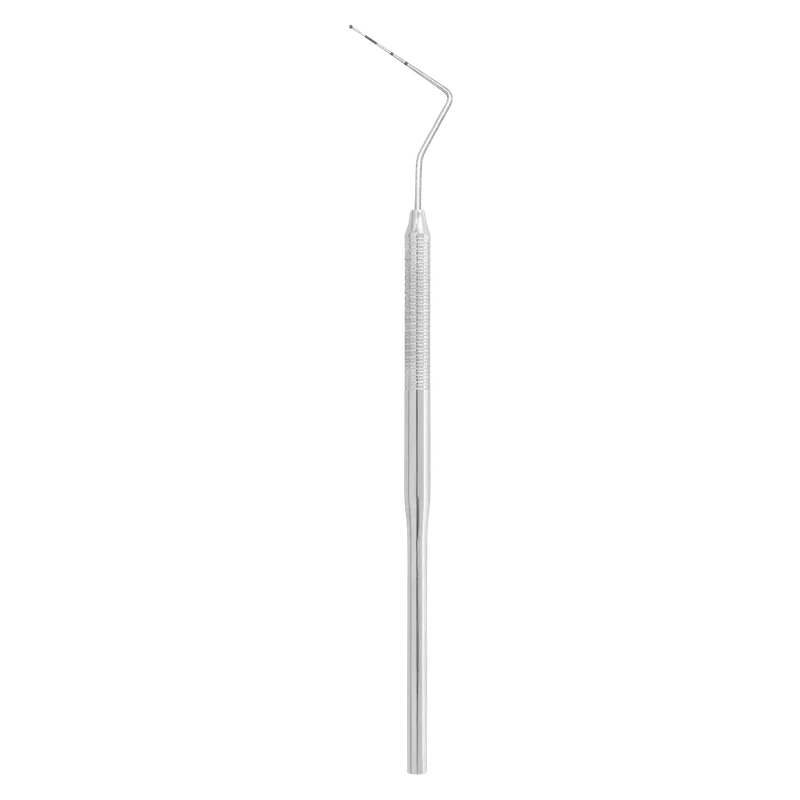
periodontal probes
WHO CPI Periodontal Probe with Ball Tip - 6 mm Solid Handle
EI-0183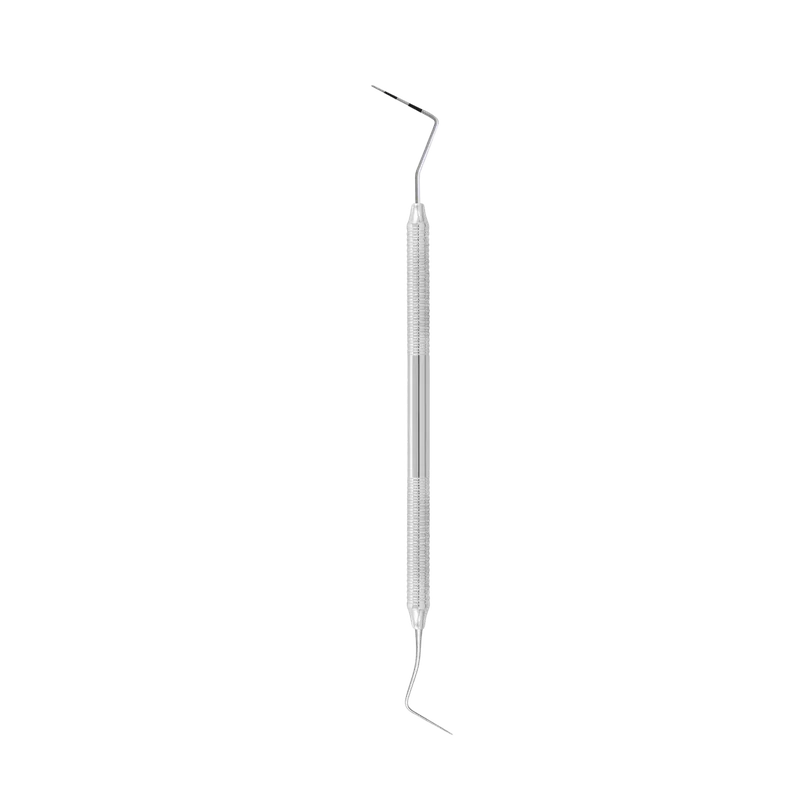
periodontal probes
Expro 9 Explorer and CP-18 Probe Combination - 6 mm Solid Handle
EI-0205
What do dentists in the United States search for?
In North America, Google Keyword Planner shows these instrument searches each month (banded, October 2025 to September 2026).
| Instrument | Searches a month (band) | Most searched term |
|---|---|---|
| Dental Extraction Forceps | 46,700 | dental forceps |
| Dental Scalers (Hand Scalers) | 42,250 | dental scaler |
| Dental Elevators and Luxators | 39,500 | dental elevator |
| Periodontal Probes | 34,650 | dental perio probe |
| Restorative Dental Hand Instruments | 23,100 | acorn burnisher |
| Dental and Oral Surgery Retractors | 20,450 | cheek retractors |
How are teeth numbered in the United States?
Dentists in the United States number teeth with the Universal system (1–32 for adult teeth), not the two-digit FDI system set out in ISO 3950 that most other markets use, so extraction notes and forceps patterns are recorded differently.
What do national dental surveys show in the United States?
- National Health and Nutrition Examination Survey (NHANES) (CDC National Center for Health Statistics, 2018): In 2015-2018, 25.9% of US adults aged 20-44 had untreated tooth decay (CDC NCHS).
- National Health and Nutrition Examination Survey (NHANES) (CDC National Center for Health Statistics, 2020): In 2017-March 2020, 13.2% of US adults aged 65 and over had complete tooth loss (CDC NCHS).
- National Health Interview Survey (NHIS) (CDC National Center for Health Statistics, 2025): In 2025, 66.7% of US adults aged 18 and over had a dental exam or cleaning in the past year (CDC NCHS, NHIS early release).
How is dental care organised and paid for in the United States?
In 2019, total US expenditure on outpatient dental care was an estimated US$133,506 million, or US$405 per person (WHO).
In 2021, the WHO recorded that routine, preventive and curative oral health care were not included in the largest US government health financing scheme, which covered 15% of the population (WHO).
In 2022, 72.3% of the US population served by community water systems, 209,135,866 people, received fluoridated water (CDC).
How are dental instruments regulated in the United States?
In the United States, dental devices are classified under 21 CFR Part 872, the FDA's Dental panel (FDA).
Under 21 CFR 872.4565, US dental hand instruments such as curettes, explorers and forceps are Class I (general controls) devices, exempt from premarket notification subject to the limits in 872.9 (eCFR via Cornell LII).
The FDA sorts medical devices into three classes; Class I is lowest risk and about 74% of Class I device types are exempt from premarket notification (FDA).
The authority responsible for medical devices in the United States is US Food and Drug Administration.
What are the rules for cleaning and sterilising dental instruments in the United States?
In the United States, the CDC's Guidelines for Infection Control in Dental Health-Care Settings, published in 2003, cover sterilization and disinfection of patient-care items, among other areas (CDC MMWR).
In 2016, the CDC published its Summary of Infection Prevention Practices in Dental Settings, noting that reported transmission cases involved failure to heat-sterilize handpieces between patients and failure to spore-test autoclaves (CDC).
Where can you study dentistry in the United States?
Dental degrees in the United States are taught at 15 schools, based in Baltimore, Boston, Philadelphia, New York City, Ann Arbor, Chicago, Los Angeles, San Francisco, Seattle, Minneapolis, Iowa City, Chapel Hill and Washington.
| School | City | Founded | Degree |
|---|---|---|---|
| University of Maryland School of Dentistry | Baltimore | 1840 | DDS |
| Harvard School of Dental Medicine | Boston | ||
| University of Pennsylvania School of Dental Medicine | Philadelphia | 1878 | |
| Columbia University College of Dental Medicine | New York City | 1916 | |
| New York University College of Dentistry | New York City | ||
| University of Michigan School of Dentistry | Ann Arbor | ||
| University of Illinois at Chicago College of Dentistry | Chicago | 1913 | |
| University of California, Los Angeles School of Dentistry | Los Angeles | 1964 | |
| Herman Ostrow School of Dentistry of USC | Los Angeles | 1897 | |
| University of California, San Francisco School of Dentistry | San Francisco | 1881 | |
| University of Washington School of Dentistry | Seattle | 1945 | |
| University of Minnesota School of Dentistry | Minneapolis | ||
| University of Iowa College of Dentistry | Iowa City | 1882 | |
| University of North Carolina at Chapel Hill Adams School of Dentistry | Chapel Hill | 1950 | |
| Howard University College of Dentistry | Washington | 1881 |
What are the milestones in the United States's dental history?
- In 1840, the Baltimore College of Dental Surgery in Baltimore, Maryland, was founded as the first dental college in the world and is credited as the birthplace of the DDS degree (Wikipedia).
- On December 11, 1844, in Hartford, Connecticut, dentist Horace Wells first used nitrous oxide for a tooth extraction, inhaling the gas while his own wisdom tooth was removed (Wikipedia).
- In the United States, G. V. Black (1836-1915) organized Black's Classification of Caries Lesions, which remains in use, and published a balanced amalgam formula in 1895 (Wikipedia).
Which dental instruments does Equate supply to the United States?
Equate's instrument guides for the United States cover dental curettes, dental elevators and luxators, dental explorers, extraction forceps, mouth mirrors, surgical retractors, hand scalers, periodontal probes, restorative hand instruments, spoon excavators and tooth extraction instruments.
City guides: Ann Arbor, Baltimore, Boston, Chapel Hill, Chicago, Iowa City, Los Angeles, Minneapolis, New York City, Philadelphia, San Francisco, Seattle and Washington.
Why do dental practices in the United States work with Equate?
- Buyers in the United States deal with the manufacturer itself, choosing from 3,375 instrument references.
- Each reference is passivated stainless steel, ultrasonically cleaned, shape-, boil- and performance-tested and individually packed, whatever the pattern.
- A named Regional Executive for North America handles quotes, samples and volume pricing for private practices and DSOs and dental schools and hospital clinics in the United States.
- Samples are available, so a clinic in the United States can test an instrument before ordering in volume.
Social listening
What dental professionals and students in the United States discuss online
Instrument quality, wear and replacement cost
MixedPosters warn that cheaper instruments can bend, dull or need retipping sooner, which cancels out the saving, and that owners pay for every replacement. Some also note that many kit items are rarely used.
- Saving $$ when purchasing dental instruments?· Student Doctor Network, 2012
- Dental Schools & Instruments: Rented vs Bought?· Student Doctor Network, 2009
Buying or leasing dental school instrument kits
CriticalStudents say schools set the required kit, so they cannot shop around, and yearly instrument fees run from a few thousand dollars to well over ten thousand. Many schools are moving to leasing, which students like because broken or worn instruments are replaced and the school controls sterilisation.
“renting is better” (Student Doctor Network, 2009)
- Instrument kits and freebies· Student Doctor Network, 2023
- Dental Schools & Instruments: Rented vs Bought?· Student Doctor Network, 2009
- Possible to save $$$ on dental school equipment?· Student Doctor Network, 2012
Equate's summary of public threads on Student Doctor Network, read 2026-10-27. No posters are named and brand names are left out; thread links are listed in the page's data file.
Equate data
the United States in Equate's market data
The United States ranks 20 of 22 in the Equate Dental Market Index 2026, with a score of 35.1 out of 100. See the full index
“When the mouth is healthier, the body is too”
Your Regional Executive · North America
Ahmed Kamal
Regional Executive, Long Island, NY
Frequently asked questions
How many dentists are there in the United States?
The ADA Health Policy Institute counted 205,088 professionally active dentists in 2025, or 60.0 per 100,000 people. About 39.4% were women and 21.2% were specialists.
How are dental hand instruments regulated in the US?
Under 21 CFR 872.4565, dental hand instruments such as curettes, explorers and forceps are FDA Class I devices under general controls. They are exempt from premarket notification, subject to the limits in 872.9.
Where was the first dental school?
The Baltimore College of Dental Surgery in Baltimore, Maryland, founded in 1840, is described as the first dental college in the world. It is credited as the birthplace of the DDS degree.
How common is untreated tooth decay in the US?
WHO estimates that in 2019, 24.3% of people aged 5 and over had untreated caries of permanent teeth, and 42.6% of children aged 1-9 had untreated caries of deciduous teeth.
What infection control guidance applies to US dental practices?
The CDC's 2003 Guidelines for Infection Control in Dental Health-Care Settings cover sterilization and disinfection. The CDC's 2016 summary restates basic expectations, citing failures such as not heat-sterilizing handpieces between patients.
What share of Americans get fluoridated water?
In 2022, 72.3% of the US population served by community water systems, about 209 million people, received fluoridated water, according to the CDC.
References
- American Dental Association Health Policy Institute (2024)
- American Dental Association Health Policy Institute (2025)
- World Health Organization (2019)
- CDC National Center for Health Statistics (2018)
- Centers for Disease Control and Prevention (2022)
- US Food and Drug Administration (2026)
- Code of Federal Regulations (Cornell LII) (2026)
- US Food and Drug Administration (2026)
- Centers for Disease Control and Prevention (2003)
- Centers for Disease Control and Prevention (2016)
- Wikipedia (1840) · en.wikipedia.org
- Wikipedia (1844) · en.wikipedia.org
- Wikipedia (1895) · en.wikipedia.org
I am a… in the United States