Interproximal Stripping Instrument
Written & reviewed by the Equate Technical Team · Updated
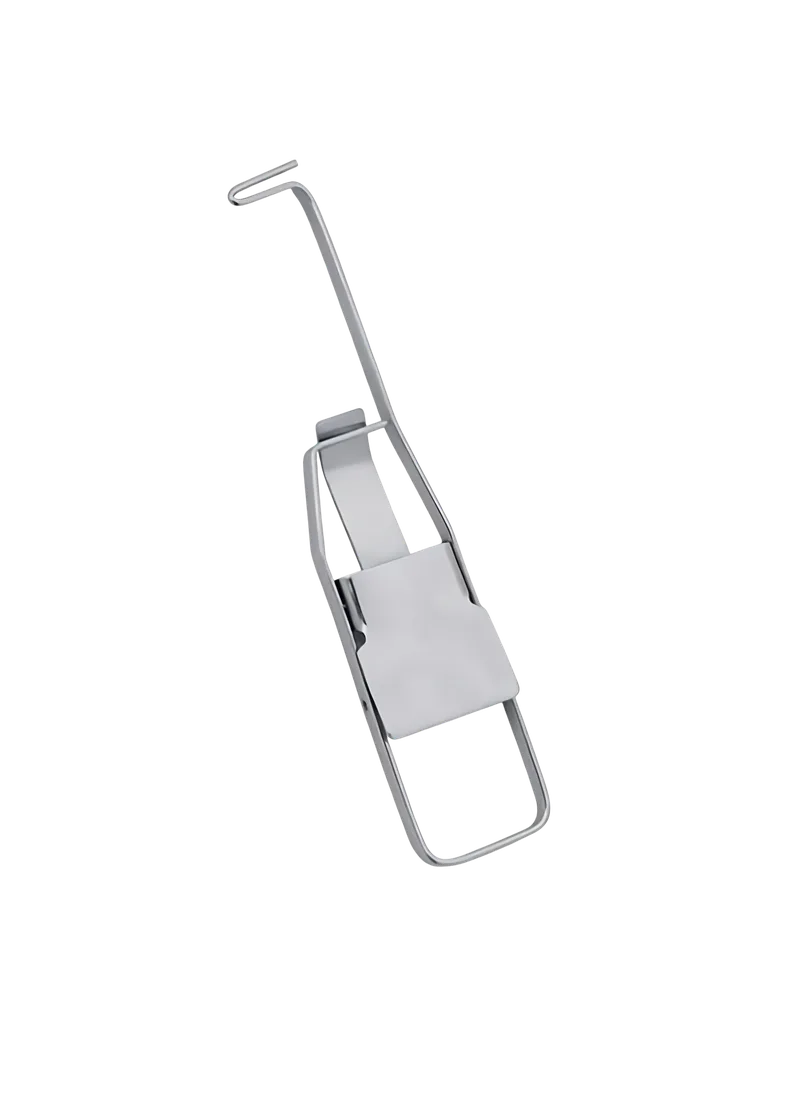
An interproximal stripping instrument is a hand holder that tensions an abrasive strip so a clinician can remove a controlled amount of enamel between adjacent teeth, known as interproximal reduction (IPR) or stripping. It keeps the strip flat and tight so it does not buckle during the reduction stroke.
What IPR stripping is
Interproximal reduction removes small amounts of enamel from the contact surfaces between teeth to gain space, relieve mild crowding, adjust tooth shape or correct contact points. A literature review on enamel reduction techniques (PMC3831306) describes the techniques and the research on instrument efficacy and potential damage, and a PubMed-indexed review covers interproximal enamel reduction as part of orthodontic treatment.
Several methods exist: hand-held abrasive strips, motor-driven discs and burs, and oscillating strips. Hand-held strips remove enamel slowly and give the clinician a tactile sense of progress, which is why holders are still used for fine, final reduction and for polishing.
How the holder works
- A sprung stainless wire frame holds the abrasive strip taut across a working span.
- The tension prevents bunching and buckling, so the strip stays flat against the proximal surface.
- A flat tensioning plate protects the strip path and provides a reference surface for placing the strip the same way each time.
- The clinician moves the strip with a controlled back-and-forth stroke, then switches to a finer strip to polish.
Stripping methods compared
| Method | Control | Speed | Typical role |
|---|---|---|---|
| Hand-held strip in a tensioned holder | High, tactile feedback | Slow | Fine reduction and finishing, small amounts |
| Hand-held strip without holder | Moderate | Slow | Quick polish, accessible areas |
| Motor-driven disc or bur | Lower, needs experience | Fast | Larger reduction, posterior areas |
| Oscillating strip system | Moderate to high | Moderate | Controlled reduction with calibrated strips |
What the evidence says about safety
A systematic review of dental and periodontal alterations after IPR, published in MDPI, reports transient changes in enamel surface roughness, no consistent evidence of increased caries risk, periodontal deterioration or sensitivity, and concludes IPR appears clinically safe with proper technique, case selection and finishing. The authors note that the studies are heterogeneous and call for better-designed trials.
A small 2025 study of 50 patients (PMC12156711) found enamel thickness fell by about 0.25 mm after IPR, with mild post-treatment sensitivity in 30% of patients. As a single small study it supports caution rather than a general rule. Clinical guidance emphasises limiting removal, polishing surfaces afterwards and avoiding contraindicated cases such as thin enamel or high caries risk.
How to choose and care for the instrument
Choose a holder whose frame keeps constant tension, with a smooth plate that does not scratch adjacent teeth and rounded edges that spare the gingiva. Check that the strip clamps securely and the frame does not deform when pressure is applied. Fully stainless construction withstands repeated autoclaving.
Clean the frame before sterilising, remove debris from the clamping areas and replace the abrasive strip for each patient or each tooth contact as the manufacturer directs. Never reuse a worn strip: a clogged strip burnishes rather than cuts.
The Equate difference
Equate lists 1 stripping instrument, the Interproximal Stripping Instrument (EI-3335), a stainless-steel sprung wire frame with a flat tensioning plate, autoclavable and supplied non-sterile.
Equate Interproximal Stripping Instrument options
Frequently asked questions
What is an interproximal stripping instrument used for?
It tensions an abrasive strip for controlled enamel reduction between adjacent teeth during orthodontic treatment.
What does IPR stand for?
Interproximal reduction, also called enamel stripping, slenderising or reproximation.
Is IPR safe for enamel?
A systematic review in MDPI reports no consistent evidence of increased caries, periodontal problems or sensitivity when performed with proper technique, case selection and finishing, but studies are heterogeneous.
How much enamel is removed in IPR?
It depends on the case. One 2025 study of 50 patients found a mean reduction of about 0.25 mm; clinicians set their own limits per contact.
Can the holder be autoclaved?
The stainless-steel frame is autoclavable; the abrasive strip is a consumable and should be replaced.
Do I need to polish after stripping?
Yes. Reviews describe finishing and polishing as part of safe technique.
References
- Enamel Reduction Techniques in Orthodontics: A Literature Review (PMC)
- Interproximal enamel reduction as a part of orthodontic treatment (PubMed)
- Evaluation of Effect of Interproximal Reduction in Enamel in Orthodontic Therapy (PMC)
- Dental and Periodontal Alterations Associated with the Use of the Interproximal Reduction Technique: A Systematic Review (MDPI)
I am a…