Orthodontic Instruments for Private Orthodontic Clinics
Written & reviewed by the Equate Technical Team · Updated
A private orthodontic clinic equips each operatory around the appointment types it runs: bonding, archwire changes, adjustments, banding and debonding. Each needs a defined set of pliers, cutters, tweezers and gauges, held in enough duplicates to cover sterilisation turnaround. Equate supplies these directly to clinics and practitioners on a quote basis.
Step by step
- 1
Bond and place
Equip every bonding chair with bracket holding tweezers, a bracket positioning gauge and a ligature director.
Bracket Holding TweezerBracket Positioning GaugeLigature Director
- 2
Change the archwire
The most repeated set: a ligature cutter, Weingart plier, distal end cutter and ligature tucker. Duplicate these first.
Ligature CutterWeingart PlierDistal End CutterLigature Tucker
- 3
Adjust and form wire
Round and rectangular arch forming pliers, and a Jarabak plier for light wire detail, cover adjustments chairside.
Round Arch Forming PlierRectangular Arch Forming PlierJarabak Plier
- 4
Band and debond
Band pushers and seating pliers for banding; debonding and band removing pliers at the end of treatment.
Band PusherBand Seating PlierDebonding PlierBand Removing Plier
The workflow decides the tray
An orthodontic practice does not buy instruments one by one. It builds trays around appointments. A bonding visit needs tweezers, a bracket positioning gauge and a ligature tool. A routine archwire change needs a ligature cutter, a Weingart plier, a distal end cutter and a ligature director. Debond days need debonding and band removing pliers. Setting out the week's appointment mix, and the instruments each one consumes, is the most reliable way to size a purchase.
Sterilisation turns this into a quantity problem. Instruments used on one patient must be cleaned, packaged and sterilised before the next, so each operatory needs more than one of every high-use instrument, or a cassette system that cycles complete sets. The number depends on your autoclave cycle time, how many chairs run at once and how many staff reprocess.
Workflow to instrument map
| Appointment | Core instruments | Notes |
|---|---|---|
| Bonding | Bracket holding tweezers, bracket positioning gauge, ligature director | Tweezer tips decide placement accuracy; keep a spare per chair |
| Archwire change | Ligature cutter, Weingart plier, safety-hold distal end cutter, ligature tucker | Highest-frequency set; duplicate it most |
| Wire adjustment | Bird beak, three-prong, Tweed loop former, hard wire cutter | Hard wire cutter only for heavy wire, never for light wire |
| Banding | Band pusher, band seating plier, Howe utility plier | Seater tips take the most wear |
| Debond | Debonding plier, band removing plier, adhesive removal | Check tip alignment after each cycle |
| Elastics and separators | Elastic separating plier, elastic placing plier | Used at most appointments |
Sterilisation and what the evidence says about pliers
Under the 2003 CDC guidelines for dental settings, items that touch mucous membranes without penetrating tissue are semicritical, and heat-tolerant semicritical items should be heat sterilised between patients, following the manufacturer's reprocessing instructions. Orthodontic pliers and tweezers are routinely treated this way. ISO 17664-1:2021 sets out what a manufacturer must tell users about cleaning, drying, inspection, maintenance and sterilisation of such devices, so ask any supplier for those instructions in writing.
Corrosion is the practical concern. A 2021 in vitro pilot study of orthodontic cutting pliers found that after 100 cycles autoclaving caused less corrosive damage than 2% peracetic acid immersion, although one brand still showed oxide-type surface corrosion. The study was small and laboratory-based, so treat it as a reason to clean thoroughly, dry and lubricate joints, not as a guarantee for any product.
Pricing context
Equate prices are indicative list prices in EUR, excluding VAT, and the final price is quoted. A typical list price for an Equate Weingart plier is about EUR 64.90, roughly 52% below the EUR 134.80 median premium European RRP for comparable wire and forming pliers. Safety-hold distal end cutters list at about EUR 84.90, about 47% below the EUR 158.85 median premium RRP for cutters. Over a six-chair practice that keeps duplicates of the high-use instruments, the difference adds up quickly.
What to check before you standardise
- Joint play and tip alignment: tips should meet along their full length.
- Carbide inserts on cutters and gripping tips where you cut or hold hard wire; see the comparison of tungsten carbide and stainless steel pliers.
- Wire ratings marked on each cutter and plier, and respected by staff.
- Written reprocessing instructions that match your autoclave and cleaning chemistry.
- Manufacturing under a certified quality system: Equate manufactures under ISO 13485:2016 and lists its certifications on the site.
- Whether the pliers can be re-aligned or sharpened rather than discarded.
How to order
Equate sells directly to clinics and practitioners, and quotes are individual. The contact page takes quote requests and enquiries about evaluation samples. Bring your operatory count, appointment mix and current tray list, and ask for a quote per tray rather than per instrument.
The Equate difference
Equate's orthodontic range includes 14 bracket holding tweezer references, 13 ligature directors, 19 Weingart plier references and 25 safety-hold distal end cutters, so a full tray can be sourced from one catalogue.
Equate Orthodontic Instruments for Private Orthodontic Clinics options
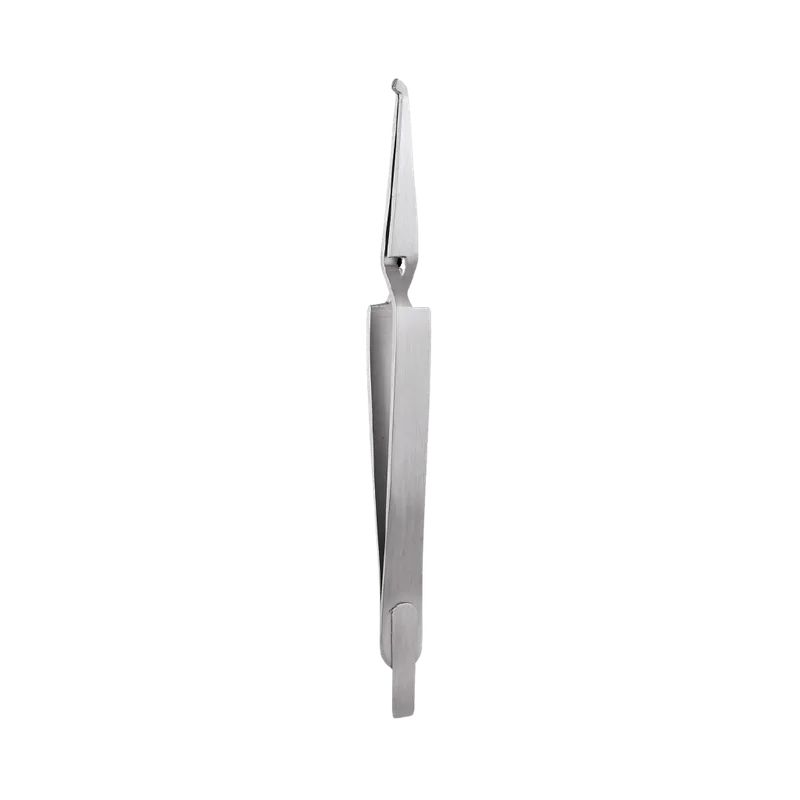
Bracket Positioning Tweezer 12 cm
EI-0680
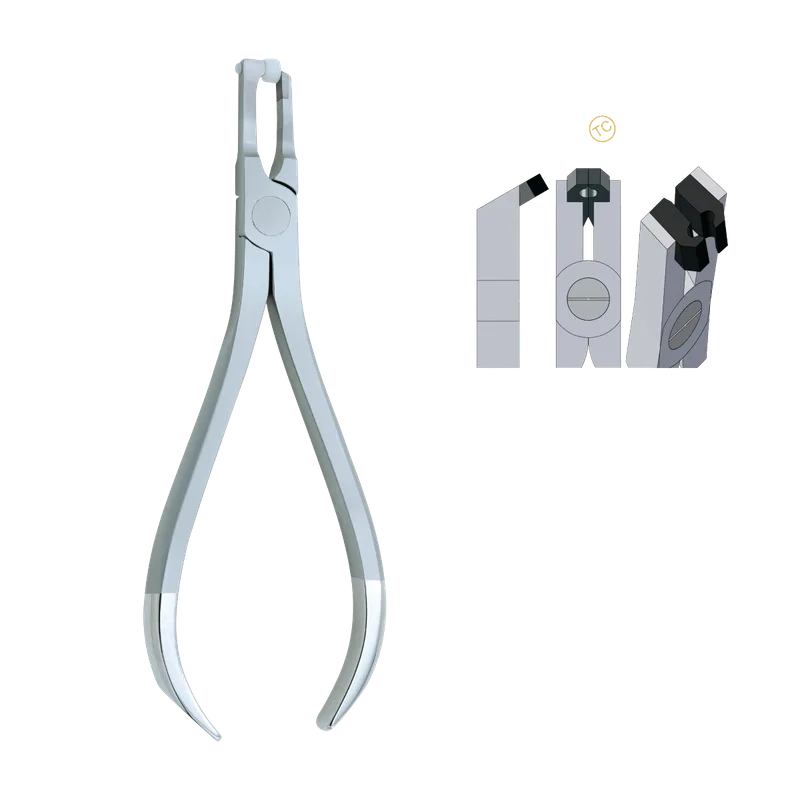
Angulated Debonding Pliers (TC)
EI-0685
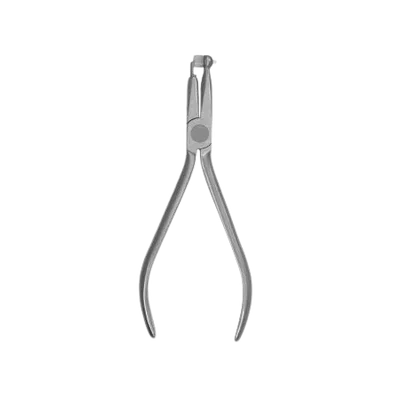
Adhesive Removing Pliers (TC)
EI-0686
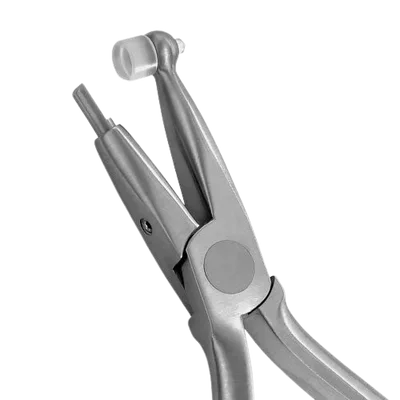
Adhesive Remover Changeable Parts - 5 Sets (Carbide Tip + Teflon Pad)
EI-0687
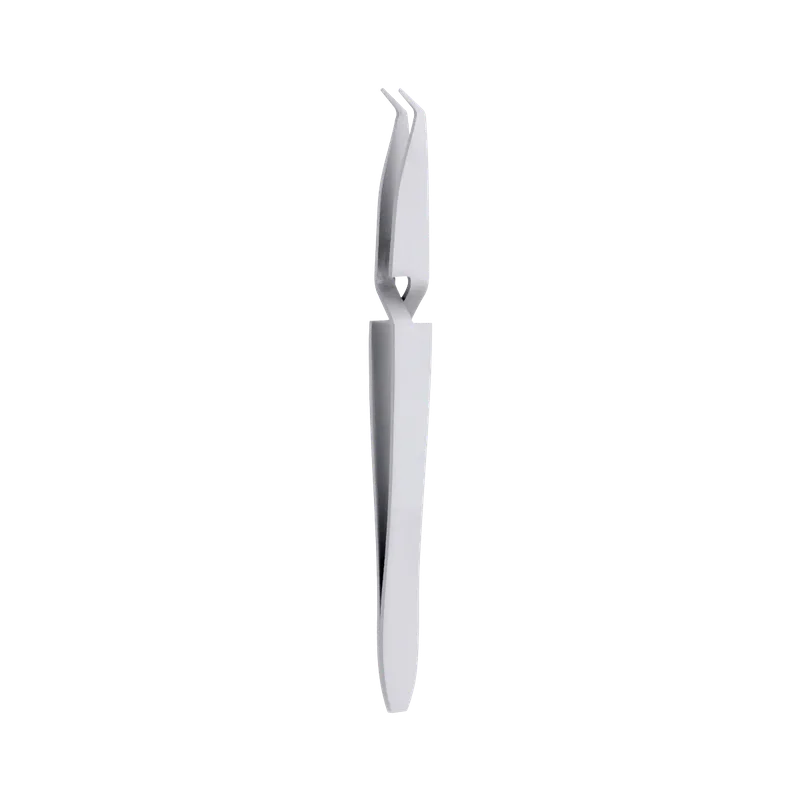
Bracket Holding Tweezers 12 cm
EI-0689
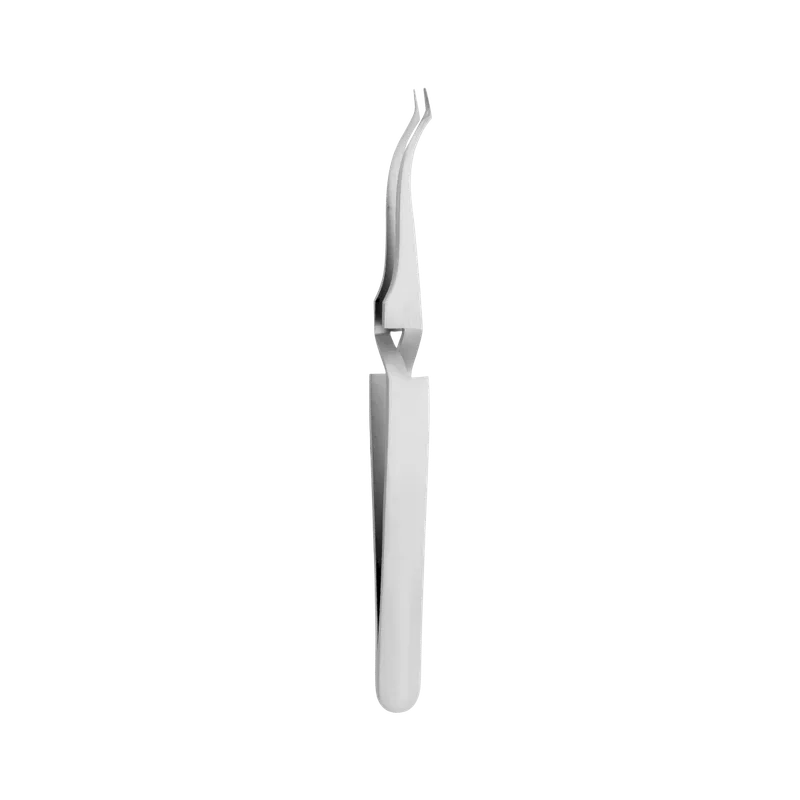
Bracket Placing Tweezers 13 cm
EI-0690
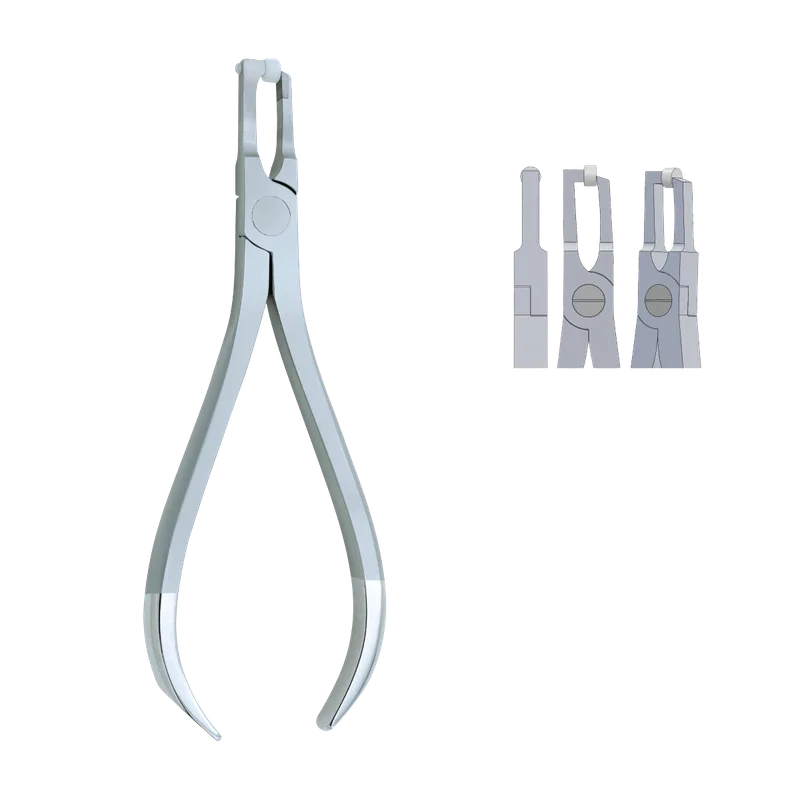
Posterior Band Removing Pliers Long Handle
EI-0696
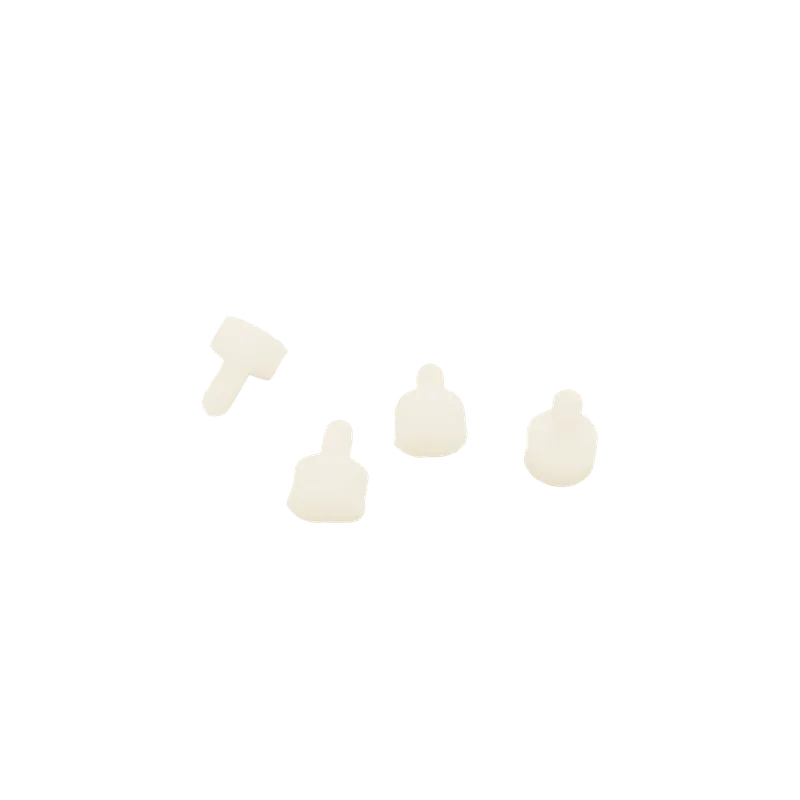
Plastic Replacement Tips for Band Remover (5 pcs)
EI-0697
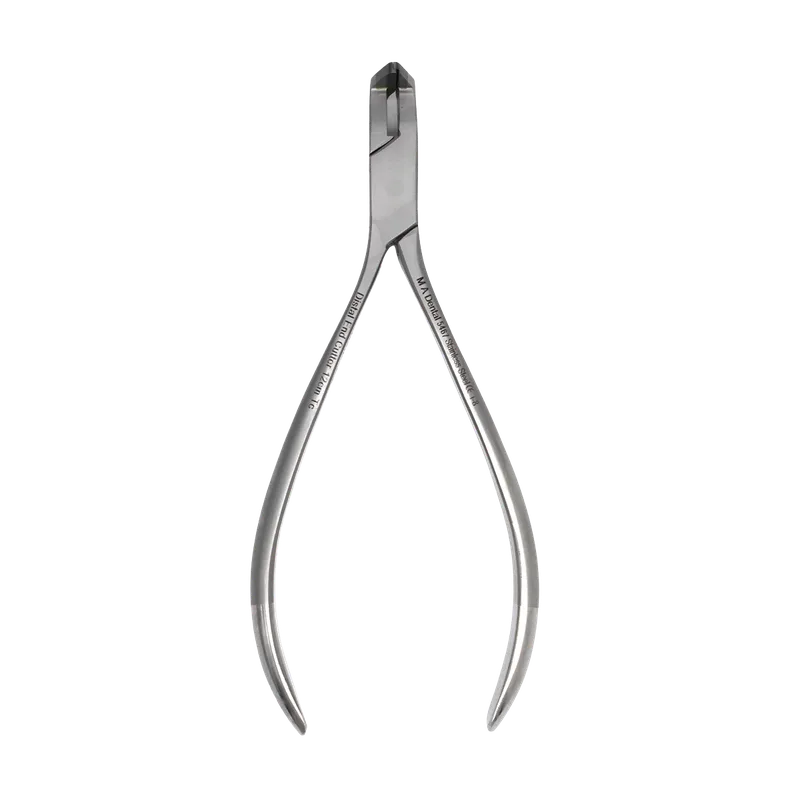
Distal End Cutter with Safety Hold 0.56 x 0.71 mm (.022″ x .028″ Wire, TC)
EI-0700
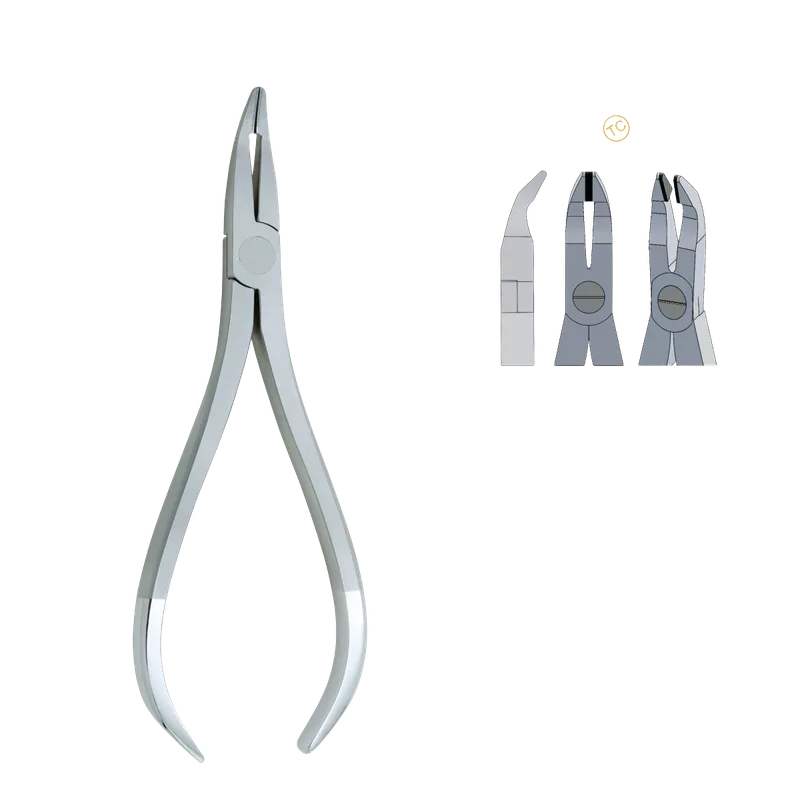
Weingart Orthodontic Pliers TC (0.71mm / .028 in Wire)
EI-0722
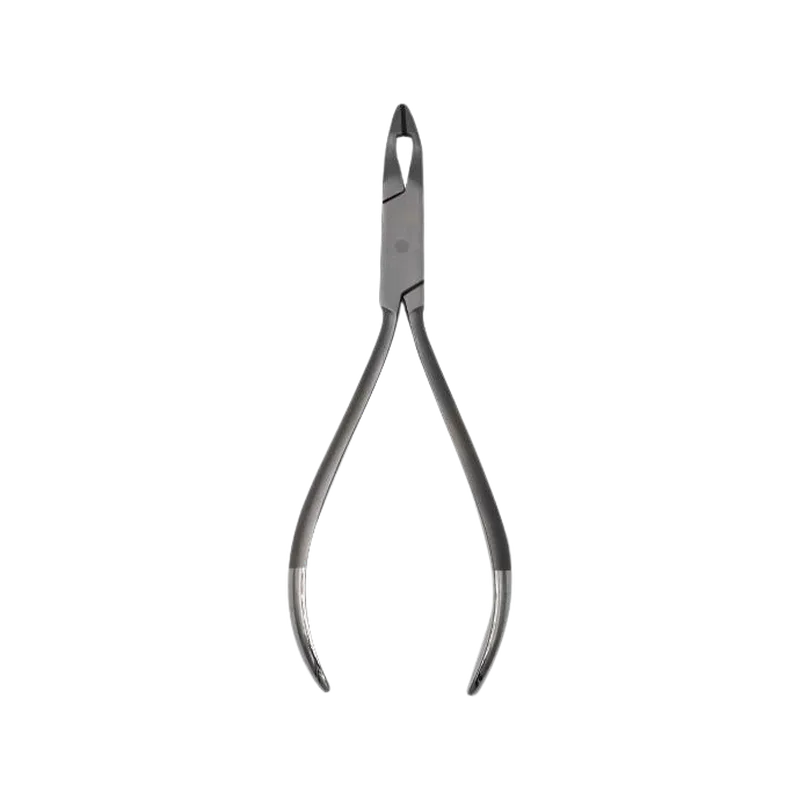
Long Weingart Pliers - Max 0.71mm (.028") Wire
EI-0723
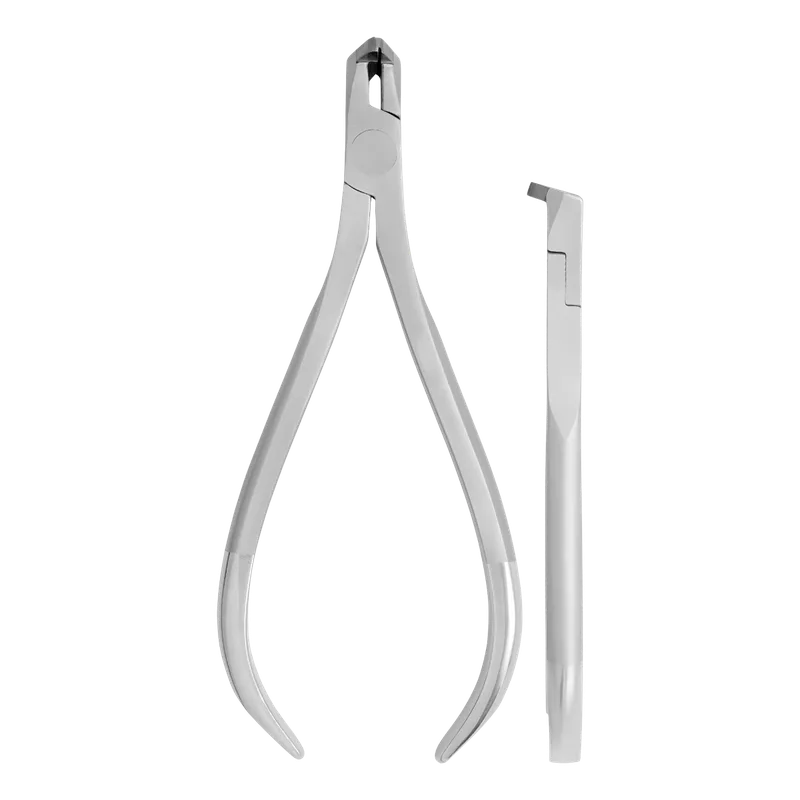
Mini Distal End Cutter with Safety Hold - Tungsten Carbide, 0.55 x 0.64 mm / .021 x .025 in Wire
EI-0793
Frequently asked questions
How many orthodontic instruments does a clinic need per chair?
It depends on appointment mix and autoclave cycle time. High-use instruments such as ligature cutters, Weingart pliers and distal end cutters are usually held in at least two per chair so one can be reprocessed while another is in use.
Do orthodontic pliers need to be sterilised between patients?
The 2003 CDC dental guidelines treat heat-tolerant semicritical items as requiring heat sterilisation between patients, following the manufacturer's instructions. Check local regulation as well.
Does autoclaving damage orthodontic pliers?
Small in vitro and clinical studies have found autoclaving causes limited corrosion on stainless steel pliers and less than some chemical disinfection, but results vary by brand and routine. Thorough cleaning, drying and joint lubrication matter.
How does a clinic buy Equate instruments?
Equate sells directly to clinics and practitioners on a quote basis; the contact page handles quote requests and sample enquiries.
What is the first instrument to duplicate in an orthodontic tray?
The ligature cutter, Weingart plier and safety-hold distal end cutter, because they appear at nearly every archwire change.
Are Equate instruments manufactured under a quality system?
Equate manufactures under an ISO 13485 quality management system and publishes its certifications on the Certifications page.
References
- Guidelines for Infection Control in Dental Health-Care Settings, CDC MMWR 2003
- ISO 17664-1:2021 processing information for critical and semi-critical devices
- In vitro comparison of peracetic acid and autoclave sterilization in the corrosion of orthodontic pliers: a pilot study
- ISO 13485:2016 medical devices quality management systems
- Equate Instruments orthodontic catalogue and indicative list pricing, 2026
I am a…